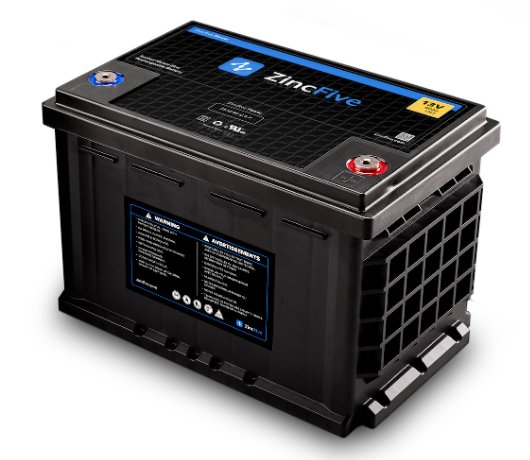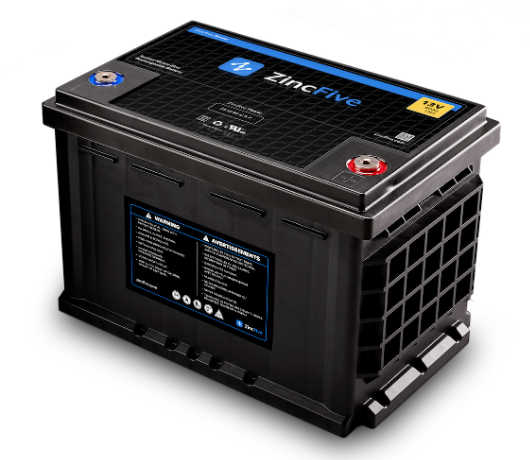
As the global transition to cleaner energy gathers pace, the need for safe, affordable and sustainable energy storage has never been greater. While renewable energy sources such as solar and wind continue to expand, reliable battery technologies are essential to store electricity and deliver power when it is needed.
Zinc is ideal to support this transition. “Zinc has been used in battery technology for well over a century, yet ongoing innovation continues to unlock new applications. Its combination of performance, safety, recyclability and abundant availability makes it an increasingly attractive option for a wide range of energy storage solutions,” comments Simon Norton, Director of the International Zinc Association (IZA) Africa.
Zinc occupies a premier position in electrochemical energy storage due to its optimal balance of thermodynamic properties, abundance, low toxicity, low raw material costs and inherent safety in aqueous systems. With a standard reduction potential of minus 0.763 V versus the Standard Hydrogen Electrode (SHE), zinc provides a sufficiently negative potential to deliver competitive cell voltages while remaining electrochemically stable within aqueous electrolyte windows.
A proven technology with growing applications
Zinc-based batteries are already part of everyday life. Traditional zinc-carbon and zinc-chloride batteries remain widely used in products such as remote controls, flashlights, toys and consumer electronics, while zinc-air button cells have long powered hearing aids, watches and calculators.
Battery technology continues to evolve. Rechargeable nickel-zinc batteries are increasingly suited to power tools and automotive applications, while silver-zinc batteries deliver the high reliability and excellent energy-to-weight ratio required in aircraft, space technologies and specialized electronic equipment.
Researchers and manufacturers are also advancing rechargeable zinc-air batteries, which show considerable promise for larger-scale energy storage and electric mobility applications, including scooters, buses and commercial vehicles.
Why zinc stands out
Zinc offers a unique combination of physical and electrochemical properties that make it well suited to modern energy storage systems. It delivers high theoretical capacity and strong power density while remaining stable in aqueous electrolyte solutions. Compared with many battery chemistries, zinc-based systems also offer important safety advantages and can be manufactured using widely available raw materials.
Another significant benefit is sustainability. Zinc is fully recyclable without losing its properties, allowing it to be recovered and reused repeatedly. Rechargeable zinc battery technologies further extend product life while supporting circular economy principles.
“As industries seek practical ways to reduce their environmental impact, battery technologies must deliver not only performance but also sustainability,” highlights Norton. “Rechargeable and recyclable zinc-based batteries have an important role to play in meeting future energy needs.”
Supporting the clean energy transition
Energy storage remains a critical component of future electricity systems as renewable generation continues to grow. Safe, reliable and cost-effective battery technologies are essential for balancing supply and demand, supporting grid resilience and expanding access to clean energy. Alongside its established role in corrosion protection, infrastructure and agriculture, zinc is increasingly contributing to the technologies that underpin the global energy transition.
The commercial adoption of zinc-based batteries is being driven by several key factors. Safety and fire risk are significant advantages, as aqueous zinc systems eliminate the thermal runaway hazards associated with lithium-ion batteries, potentially lowering insurance costs and simplifying installations in urban and indoor environments such as data centres and utility substations.
Capital costs are another important driver, with system-level costs for aqueous zinc-ion and zinc flow batteries targeting thresholds under R1 650/kWh, helping to uncouple grid-scale energy storage from constrained lithium and cobalt supply chains.
In addition, manufacturing scalability is a major advantage, as aqueous zinc-ion battery manufacturing can leverage existing lead-acid or lithium-ion roll-to-roll electrode processing equipment. This could reduce the capital expenditure required for gigafactory deployment by an estimated 30% to 40%.
“Zinc continues to demonstrate its versatility across multiple industries. As battery technologies continue to advance, zinc is well positioned to help deliver cleaner, more sustainable energy solutions for communities, businesses and industry alike,” concludes Norton.
Ends
Connect with the International Zinc Association on social media to receive its latest news.
Facebook: https://bit.ly/3uNP5w7
LinkedIn: https://bit.ly/3uNSAmb
Notes to the Editor
To download hi-res images for this news article, please visit http://media.ngage.co.za and click the International Zinc Association link to view the company’s press office.
About the International Zinc Association (IZA)
The IZA is the only global industry association dedicated exclusively to the interests of zinc and its users. Operating internationally and locally in Africa through the IZA Africa Desk, the IZA helps sustain the long-term global demand for zinc and its markets by promoting such key end uses as corrosion protection for steel and zinc as essential in human health and crop nutrition. IZA’s main programmes are Zinc Use Research, Sustainability & Environment, Technology & Market Development and technical Communications.
In South Africa, the IZA plays a vital role in establishing the basis for the successful growth of the zinc industry by increasing awareness of zinc and its applications and benefits in key sectors and markets.
International Zinc Association (IZA) Contact
Simon Norton
Director
IZA Africa
Phone: (021) 788 9980
Cell: 082 831 2924
Email: zinc@iafrica.com
Web: www.zinc.org
Media Contact
Andile Mbethe
Account Executive
NGAGE Public Relations
Phone: (011) 867-7763
Cell: 073 565 6536
Email: andile@ngage.co.za
Web: www.ngage.co.za
-

Simon-Norton-Director-of-the-International-Zinc-Association-IZA-Africa-1
Zinc-occupies-a-premier-position-in-electrochemical-energy-storage-3 - Zinc-based-batteries-power-a-more-sustainable-energy-future_approved-1
Zinc-based-batteries-power-a-more-sustainable-energy-future_approved-1