For many organisations, maintenance, repair and operations (MRO) procurement is viewed primarily through the lens of purchase price. The focus is often on securing the best possible price for parts, tools, consumables and other essential supplies.
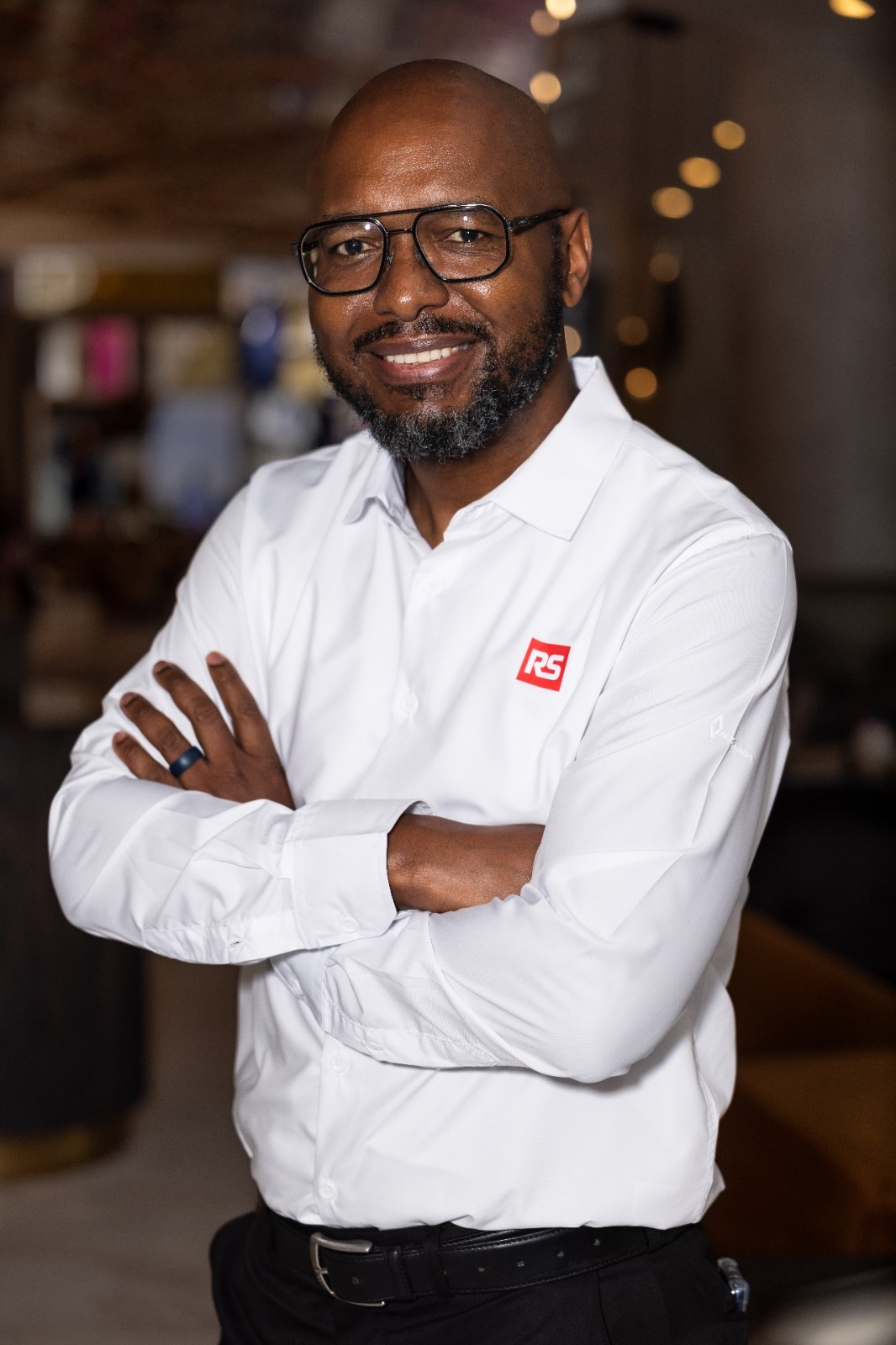
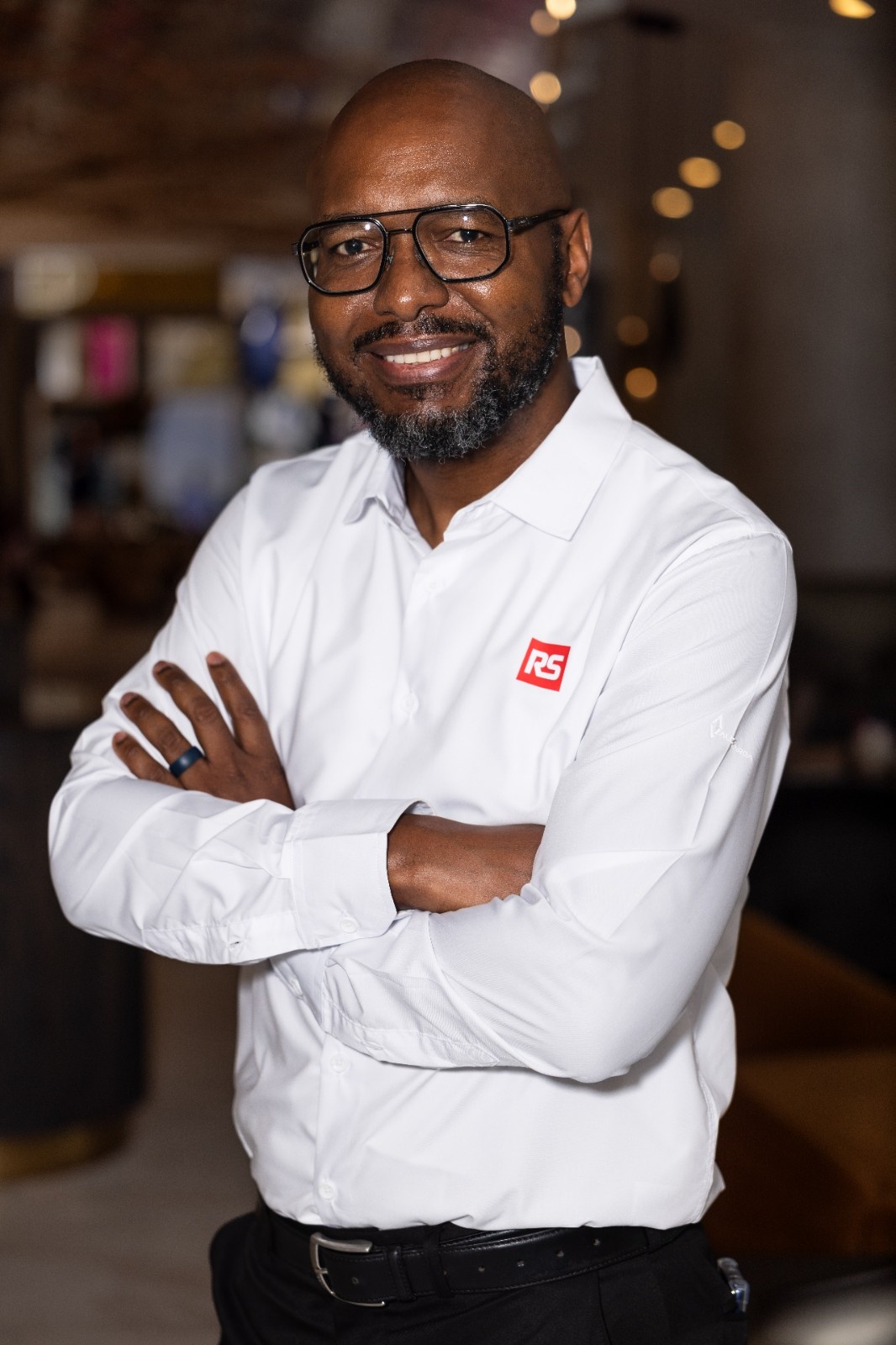
By Erick Wessels, Sales Director, RS South Africa
While unit cost matters, it tells only part of the story. The true cost of MRO extends across procurement, inventory management, maintenance and operations, with poorly managed processes creating hidden costs that are rarely captured in a single budget or report.
For South African businesses, the challenge is therefore not simply to reduce what is spent on individual items, but to understand the wider cost of sourcing, managing, storing, tracking and replenishing them.
Every transaction has a cost
MRO environments can involve large numbers of suppliers, purchase orders, invoices and individual transactions. Every purchase requires a series of activities, from identifying the required part and verifying specifications to sourcing suppliers, obtaining approvals, processing orders, receiving goods and reconciling payments.
Each step consumes employee time and administrative resources. When thousands of transactions take place across a business, these costs can become significant. The price of an MRO item is only one part of the equation.
Downtime and productivity
One of the most significant consequences of poor MRO management is equipment downtime. When a critical spare part is unavailable, maintenance teams can be forced into reactive decision-making, resulting in emergency purchases, expedited deliveries, overtime and extended equipment outages.
MRO inventory management is therefore not simply about keeping stock levels as low as possible. It is about having the right inventory available at the right time, based on equipment requirements, usage patterns and operational risk.
Reducing inventory at all costs is not necessarily the same thing as optimising inventory. The aim should be to improve visibility and make informed decisions about what needs to be available to support reliability and continuity.
Making the hidden costs visible
The first step in addressing hidden MRO costs is to quantify them. Organisations should consider not only purchase volumes and supplier numbers, but also administrative processing time, production losses from equipment failures, emergency sourcing, expedited freight, overtime, excess and obsolete inventory, carrying costs and the time skilled employees spend searching for parts or correcting errors.
Taken together, these measures can reveal that the greatest opportunities for savings may lie not in negotiating lower unit prices, but in improving processes, visibility and operational efficiency. The most effective MRO strategies therefore take a broader view of performance, considering total cost of ownership and total cost of operation rather than purchase price alone.
MRO should not be viewed simply as a purchasing function. It has a direct relationship with operational reliability, productivity, supply chain resilience and overall cost control. The hidden cost of poor MRO management is rarely one large expense. More often, it is the accumulation of thousands of small inefficiencies taking place across the business every day. Making those costs visible is the first step towards reducing them.
-Ends-
About RS
RS is a high-service global product and service solutions provider for industrial customers, enabling them to operate efficiently and sustainably.
We operate in 33 markets, stock over 875,000 industrial and specialist products and list an additional five million relevant for our industrial customers, sourced from over 2,500 suppliers. This extensive range supports our customers across the industrial lifecycle of designing, building and maintaining equipment and operations. We enhance their experience through a tailored service model, leveraging our efficient physical, digital and process infrastructure sustainably. We combine a technically led and digitally enabled approach with an exceptional team of experts; ultimately, it’s our people that make the difference.
Our purpose, making amazing happen for a better world, reflects our focus on delivering results for people, planet and profit.
RS Group plc is listed on the London Stock Exchange with stock ticker RS1 and in the year ended 31 March 2026 reported revenue of £2,881 million.
PR Contact DETAILS:
Princess Tlou
Communications & Content Specialist
RS South Africa
Princess.Hlatshwayo@rsgroup.com
+27 11 691 9366
Media Contact Person – NGAGE:
Thobile Ndlovu
PR Account Executive
+27 11 867 7763
Further information is available via these links:
- LinkedIn: https://www.linkedin.com/company/rs-south-africa
- Facebook: https://www.facebook.com/rssouthafrica
-

Erick Wessels, Sales Director at RS South Africa. - The hidden cost of poor MRO management and why SA businesses must look beyond purchase price_approved
The hidden cost of poor MRO management and why SA businesses must look beyond purchase price_approved