What Burundi’s landmark Jiji and Mulembwe hydropower projects reveal about the future of sustainable infrastructure delivery across the continent
By Mpho Ramphao, Managing Director: Water, Zutari
Africa’s energy transition is often discussed in terms of generation capacity, investment pipelines, and megawatts added to the grid. While these metrics matter, they only tell part of the story. The real challenge facing the continent is not simply producing more electricity. It is building resilient, integrated infrastructure systems that can support long-term economic and social development in increasingly complex environmental conditions.
Across Africa, countries are under pressure to expand access to affordable and reliable energy while simultaneously responding to climate volatility, rapid urbanisation, industrialisation, and growing infrastructure demands. In this context, infrastructure projects can no longer be viewed as isolated engineering exercises. They must be designed as long-term development enablers.
This is particularly true in the energy sector. Hydropower remains one of the most important renewable energy opportunities available to many African countries. When designed responsibly and strategically, it offers stable baseload power, reduced dependence on imported fossil fuels, and the potential to unlock economic growth across multiple sectors. However, modern hydropower infrastructure also demands a far more integrated approach than it did even a decade ago.
Resilience at the centre of infrastructure delivery
Today, resilience must sit at the centre of infrastructure delivery. That means engineering projects that can withstand changing climatic conditions, accommodate future demand, and operate sustainably over decades. It means accounting for sedimentation, flood risk, seismic activity, and environmental impacts from the earliest design stages. It also means recognising that infrastructure is ultimately about people and the communities, businesses, schools, hospitals, and industries that depend on reliable access to energy.
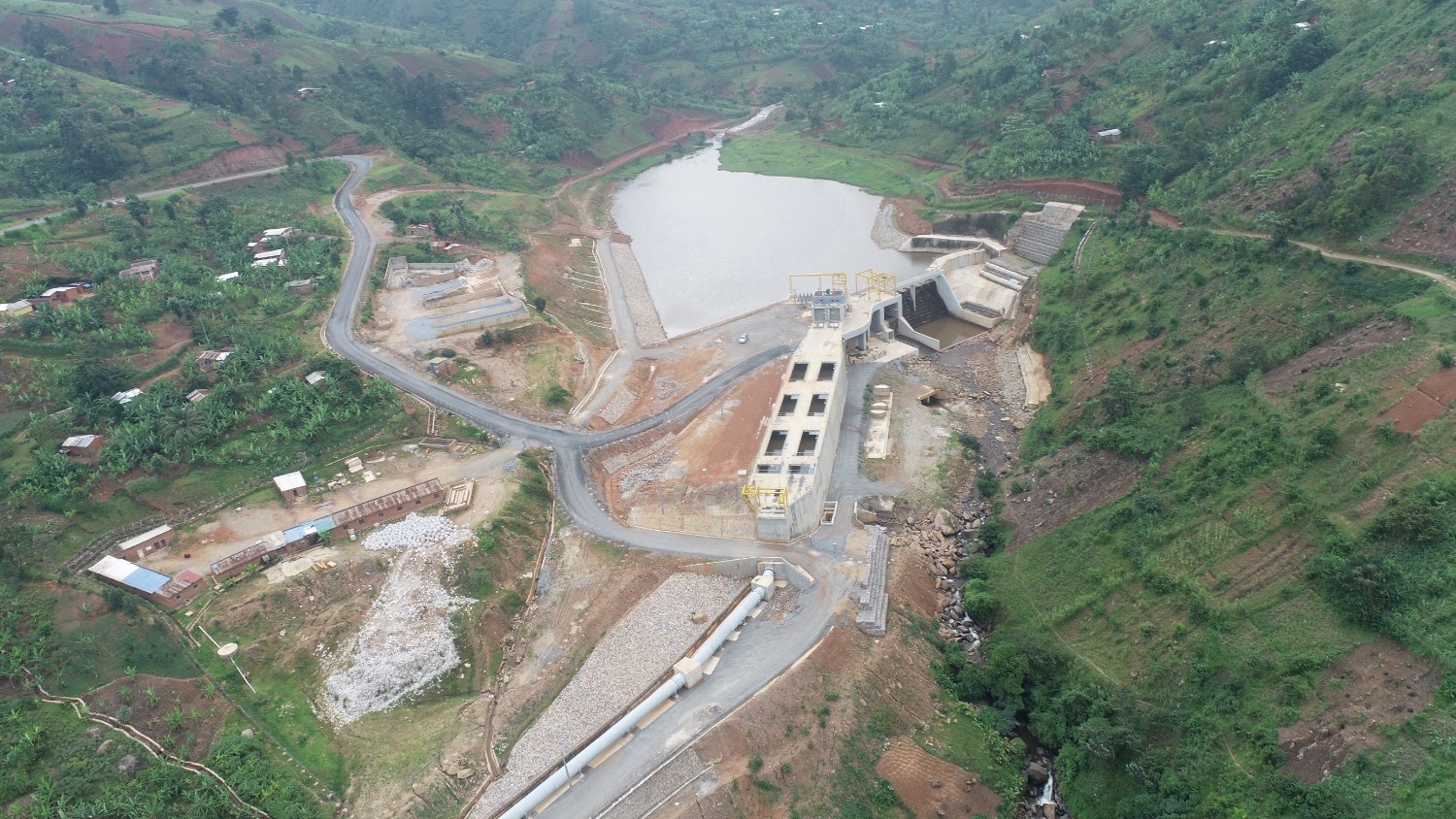
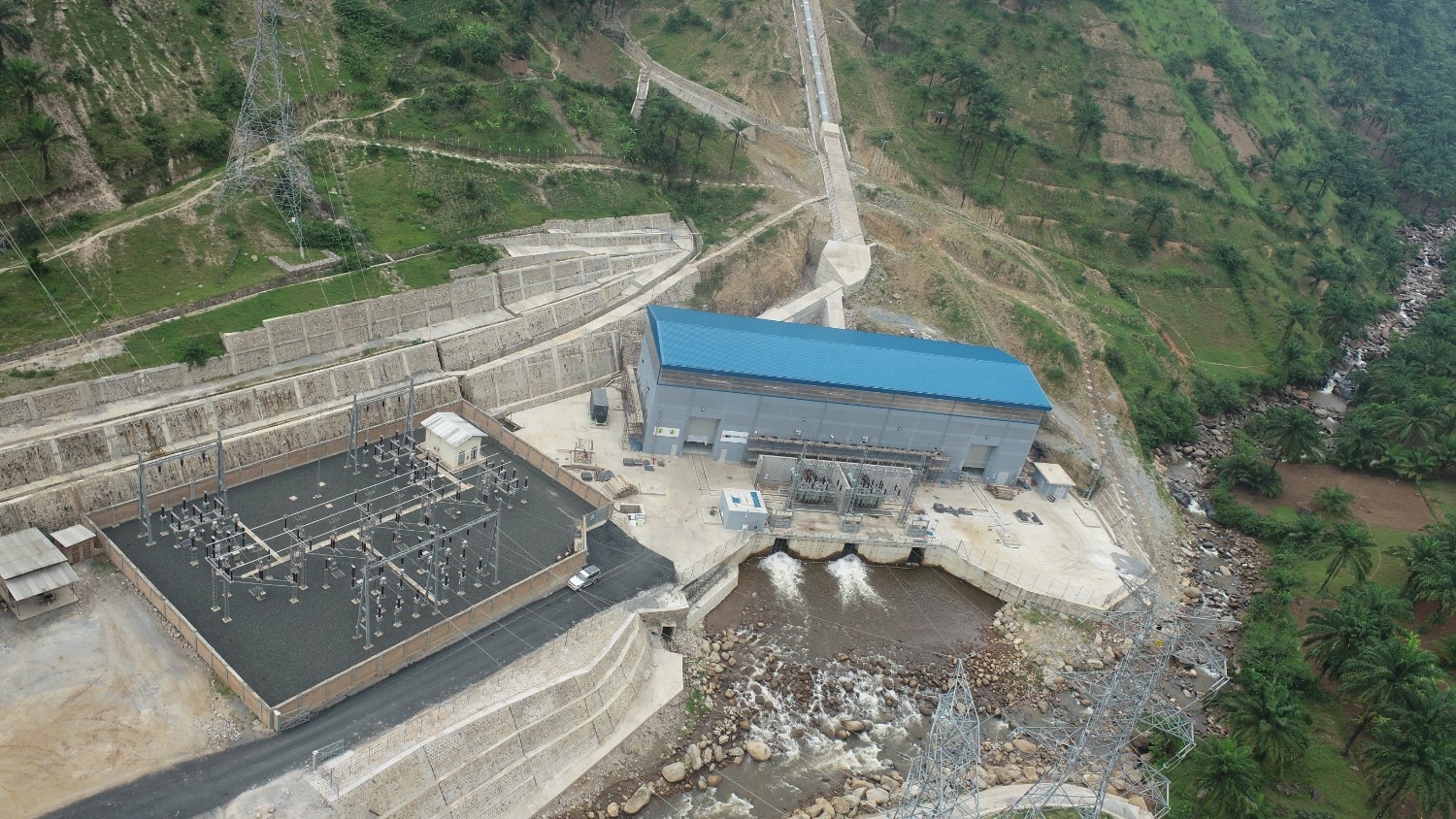
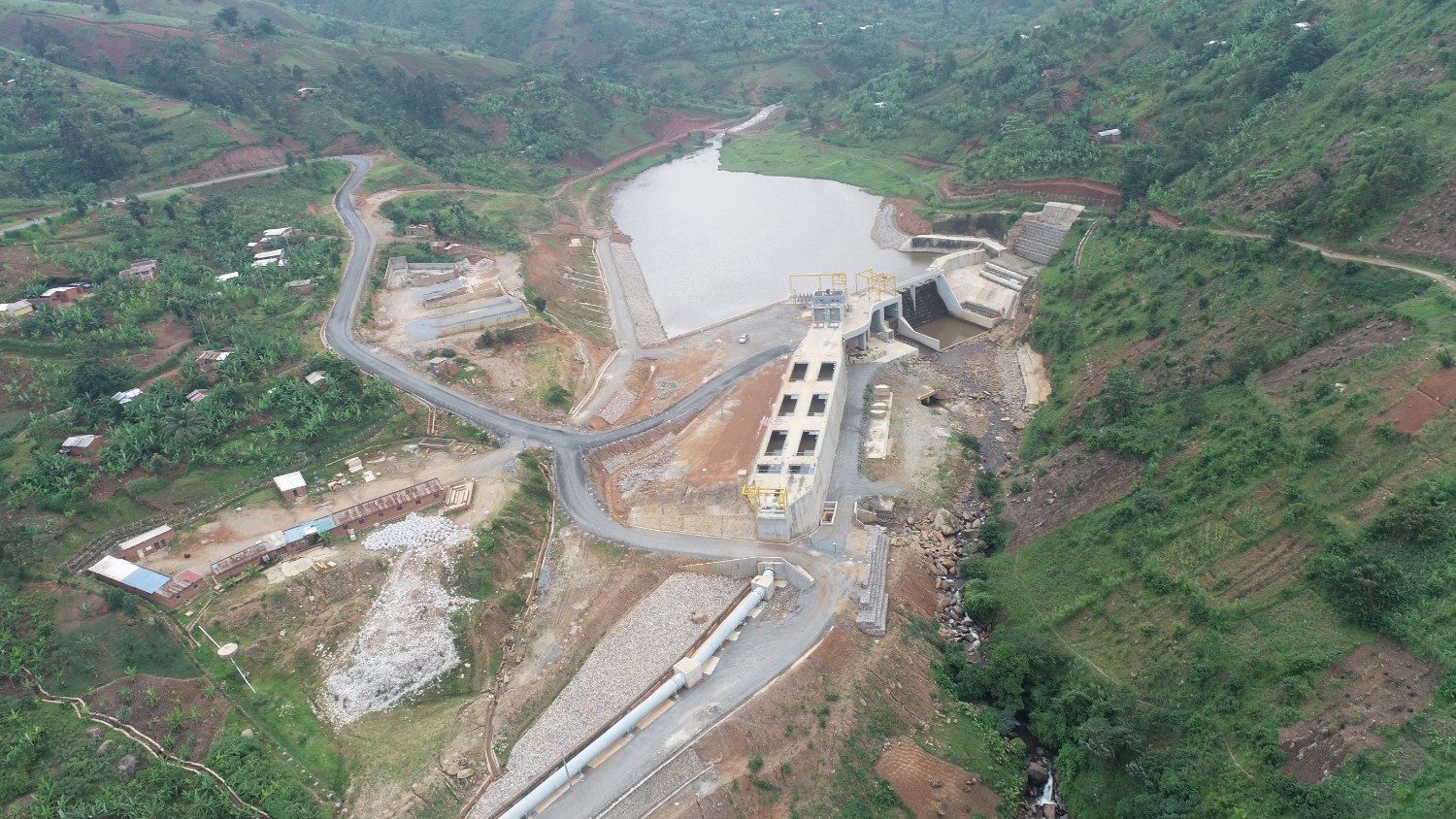
The Jiji and Mulembwe hydropower scheme in Burundi demonstrate what this integrated approach can look like in practice. Together, the two hydropower plants will add 49.5 MW of renewable energy capacity to Burundi’s national grid, increasing the country’s installed generation capacity from 60 MW to 109.5 MW. Supported through funding partnerships involving the World Bank, European Union, African Development Bank and European Investment Bank, the approximately $320 million development represents one of the country’s most significant recent infrastructure investments.
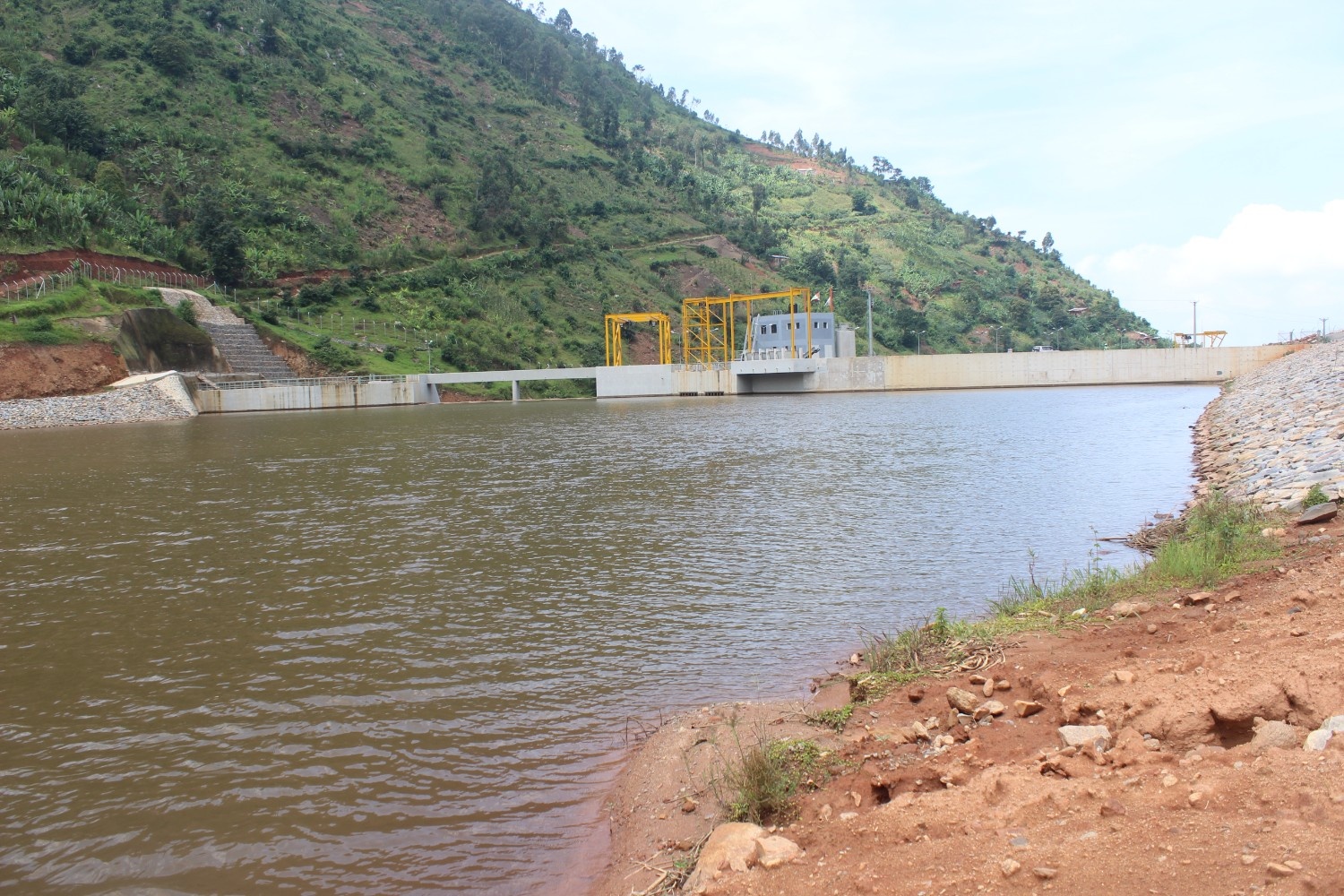
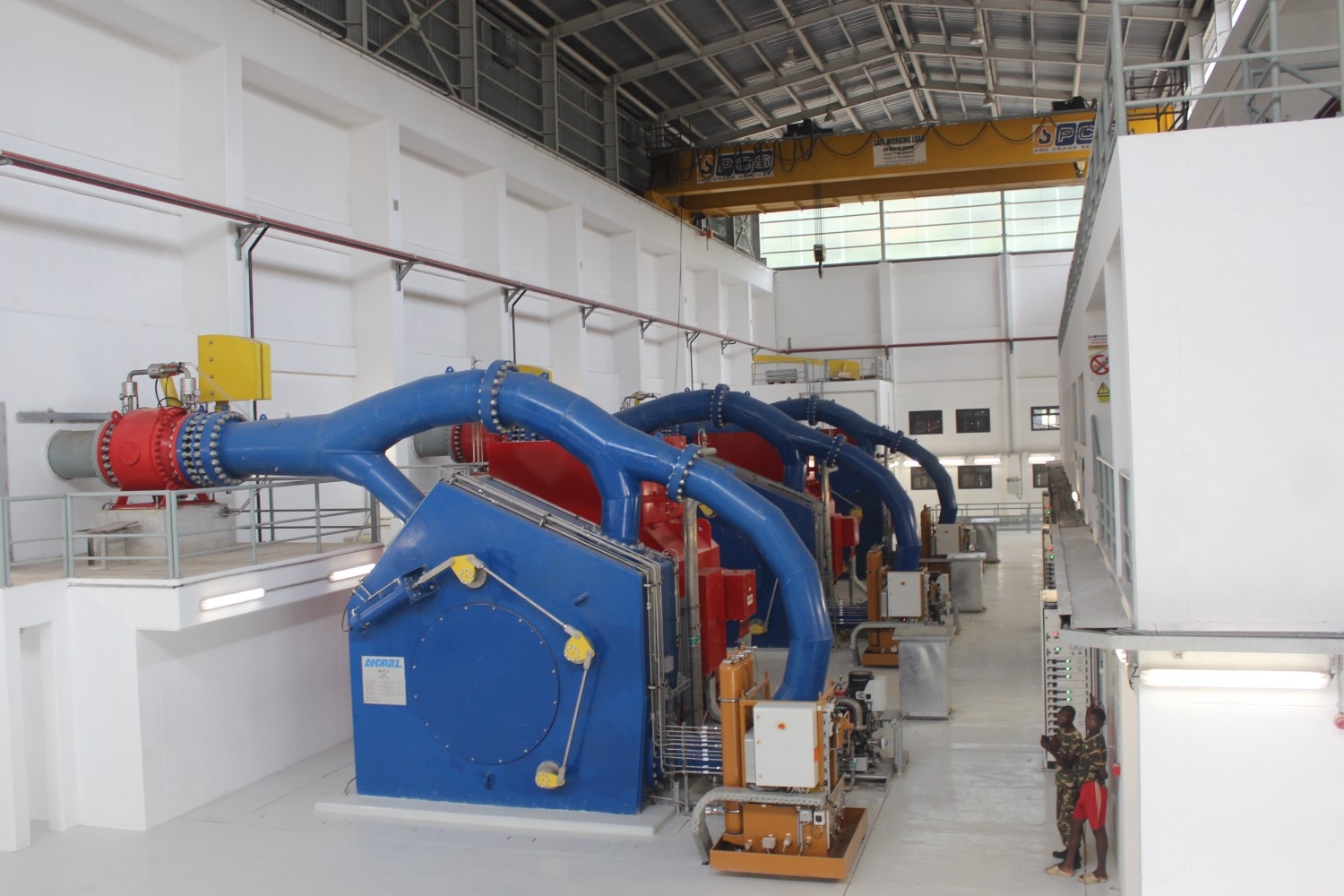
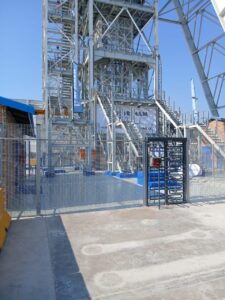
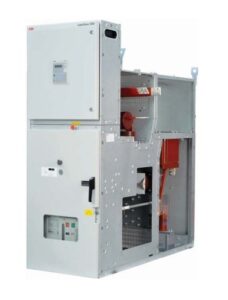
Zutari was responsible for the detailed design and construction drawings for both schemes, including the dams, tunnels, penstocks, powerhouses, permanent access roads, and supporting infrastructure. The project comprised a 32.5 MW plant on the Jiji River and a 17 MW plant on the Mulembwe River, each incorporating desilting structures, low-pressure pipelines, 1.1 km transfer tunnels, and power stations housing three horizontal Pelton turbines. After a construction period of six years, both plants were successfully commissioned in 2025 and are now connected to the Burundi grid, providing reliable renewable energy.
However, the significance of the projects extends well beyond the megawatts produced. From the outset, resilience and long-term sustainability formed part of the engineering approach. Extensive hydrological, sedimentation, geotechnical, and seismic studies informed the design process, helping ensure the infrastructure could operate effectively within the realities of the local environment. The project also incorporated climate-related safety considerations into flood modelling to account for the increasing uncertainty associated with future rainfall patterns and extreme weather events.
Climate adaptation embedded in engineering
This kind of forward-looking design philosophy is becoming increasingly important across Africa. Infrastructure built today must be capable of performing under conditions that may look very different in 20 or 30 years’ time. Climate adaptation can no longer be treated as a secondary consideration or compliance requirement; it must be embedded within the engineering process itself.
Equally important is the recognition that energy infrastructure does not operate in isolation. Large-scale infrastructure projects often require supporting ecosystems that enable long-term operational success and community benefit. In Burundi, this included not only the dams, tunnels, penstocks, and powerhouses associated with the hydropower schemes, but also permanent access roads, housing, and support infrastructure. These elements are sometimes viewed as secondary components, yet they are essential to creating infrastructure systems that are functional, maintainable, and socially sustainable.
For engineering partners working across Africa, this demands multidisciplinary collaboration on an unprecedented scale. Engineers, environmental specialists, hydrologists, planners, project managers, and community stakeholders must increasingly work together to deliver infrastructure that is technically sound, socially responsive, and economically viable.
Immense renewable energy potential in Africa
The continent’s infrastructure future will depend on this kind of integrated thinking. Africa possesses immense renewable energy potential but unlocking it will require more than financing and technical capability alone. It will require partnerships built on shared developmental objectives, strong local understanding, and a commitment to infrastructure that creates lasting human value.
Importantly, projects such as Jiji and Mulembwe also demonstrate how infrastructure investment can contribute to broader national development priorities. Reliable electricity supply supports industrial productivity, improves healthcare and education outcomes, enables digital connectivity, and creates conditions for economic participation and job creation. Energy infrastructure therefore becomes not only an engineering asset, but a catalyst for inclusive growth.
As African countries continue navigating the energy transition, the focus must remain on infrastructure that is resilient, adaptable, and people-centred. Success will not be measured solely by the scale of generation delivered, but by the long-term impact infrastructure has on communities, economies, and national development trajectories. Engineering has a critical role to play in shaping that future: not simply by building assets, but by helping create systems that allow societies to thrive sustainably over generations.
A video about Burundi’s landmark Jiji and Mulembwe hydropower projects can be viewed here.
Ends
Notes to the Editor
To download hi-res images for this news article, please visit http://media.ngage.co.za and click the Zutari link to view the company’s press office.
About Zutari
Zutari is a multinational buildings, infrastructure engineering and advisory firm with a proud legacy of over 90 years across Africa and the Middle East. We partner with clients throughout the infrastructure lifecycle, delivering innovative, digitally enabled solutions from schools to stadiums, dams to bridges.
Our multidisciplinary expertise enables us to co-create infrastructure that is technically excellent, socially meaningful, and environmentally responsible, maximising value through advanced engineering principles and a commitment to sustainability.
Purpose-led work. From renewable energy to resilient infrastructure, our projects solve real-world challenges. Every day is an opportunity to design with purpose and innovate with intent.
People-first culture. We bring together diverse thinkers, creators, and problem-solvers; all driven by a shared commitment to impact. Here, your voice is heard, your growth is supported, and your well-being matters.
Connected by design. We connect differently; across disciplines, geographies, and perspectives, to unlock better outcomes. Our collaborative model breaks silos, integrates global expertise, and brings creativity and digital innovation into every stage of the project lifecycle. It’s how we deliver real impact, together.
We are Zutari. We are engineering impact.
Zutari Contact
Cambridge Mokanyane
Chief Marketing Officer
Zutari
Email: Cambridge.Mokanyane@zutari.com
Tel: (012) 427 2000
Media Contact
Rachel Mekgwe
Senior Account Executive
NGAGE Public Relations
Phone: (011) 867 7763
Cell: 074 212 1422
Email: rachel@ngage.co.za
Web: www.ngage.co.za
Browse the NGAGE Media Zone for more client news articles and photographs at http://media.ngage.co.za
-

Mpho-Ramphao-Managing-Director-Water-at-Zutari
The-Jiji-and-Mulembwe-hydropower-project-incorporates-advanced-water-infrastructure-and-Pelton-turbine-technology-1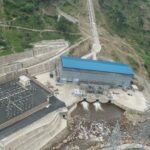
The-Jiji-and-Mulembwe-hydropower-project-will-add-49.5-MW-of-renewable-energy-to-Burundis-grid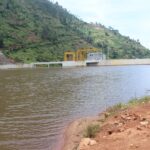
The-project-includes-32.5-MW-and-17-MW-hydropower-plants-on-the-Jiji-and-Mulembwe-rivers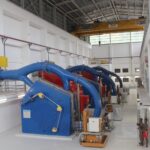
The-project-will-increase-Burundis-installed-generation-capacity-from-60-MW-to-109.5-MW - Engineering-resilience-into-Africas-energy-future_approved
Engineering-resilience-into-Africas-energy-future_approved
Jiji-and-Mulembwe-Hydropower-Projects-Burundi