As wildfires continue to pose significant threats to urban areas near nature reserves, or urban-wildland interfaces, the importance of risk assessments and preventive measures for buildings in high-risk zones is increasingly evident. ASP Fire CEO Michael van Niekerk highlights the critical role of fire risk management in such areas and adhering to practical guidelines to mitigate fire encroachment.
“Designing structures to be more fire-resistant is always a smart approach,” notes van Niekerk, referencing the devastating fire at the University of Cape Town’s library as a cautionary tale. He noted that cities like Cape Town, surrounded by natural landscapes such as Table Mountain, constantly face the threat of wildfires due to their close proximity to nature.
However, van Niekerk stresses that the fire risks extend beyond urban areas like Cape Town. “You have luxury game farms like those in the Hoedspruit area, which are world-renowned. Naturally, the buildings are in the middle of the bush, so fire poses a major risk.”
Fire risk management begins with the design of buildings and their surroundings. “One key recommendation is managing vegetation around your building, creating a clear area right up against the structure where there is no vegetation that could propagate a fire,” advises van Niekerk.
Building with non-combustible materials such as stone, brick, and concrete is another essential step. “While steel does not burn, wood obviously does,” points out van Niekerk, adding that windows and doors are vulnerable points that should be minimised in their exposure to vegetation. He also suggests that fire breaks can be integrated into the landscape aesthetically to maintain the natural beauty of the area while enhancing safety.
Addressing high-end estates surrounded by vegetation, van Niekerk adds that these precautions apply equally in urban areas like Johannesburg, one of the most wooded cities in the world. “It is beautiful, but it comes with fire risks, particularly in winter when vegetation can easily propagate fires. There are clear guidelines for this that are rooted in common sense,” he says.
One critical yet often overlooked measure is managing gutters. “Burning debris blown by the wind, known as burning brands, are a major factor in fire propagation. The temperatures of these burning brands are intense, and they can easily ignite accumulated debris in gutters, leading to smouldering fires that grow quickly under the right conditions,” warns van Niekerk. For example, a single burning brand can enter a roof space and result in the loss of an entire structure.
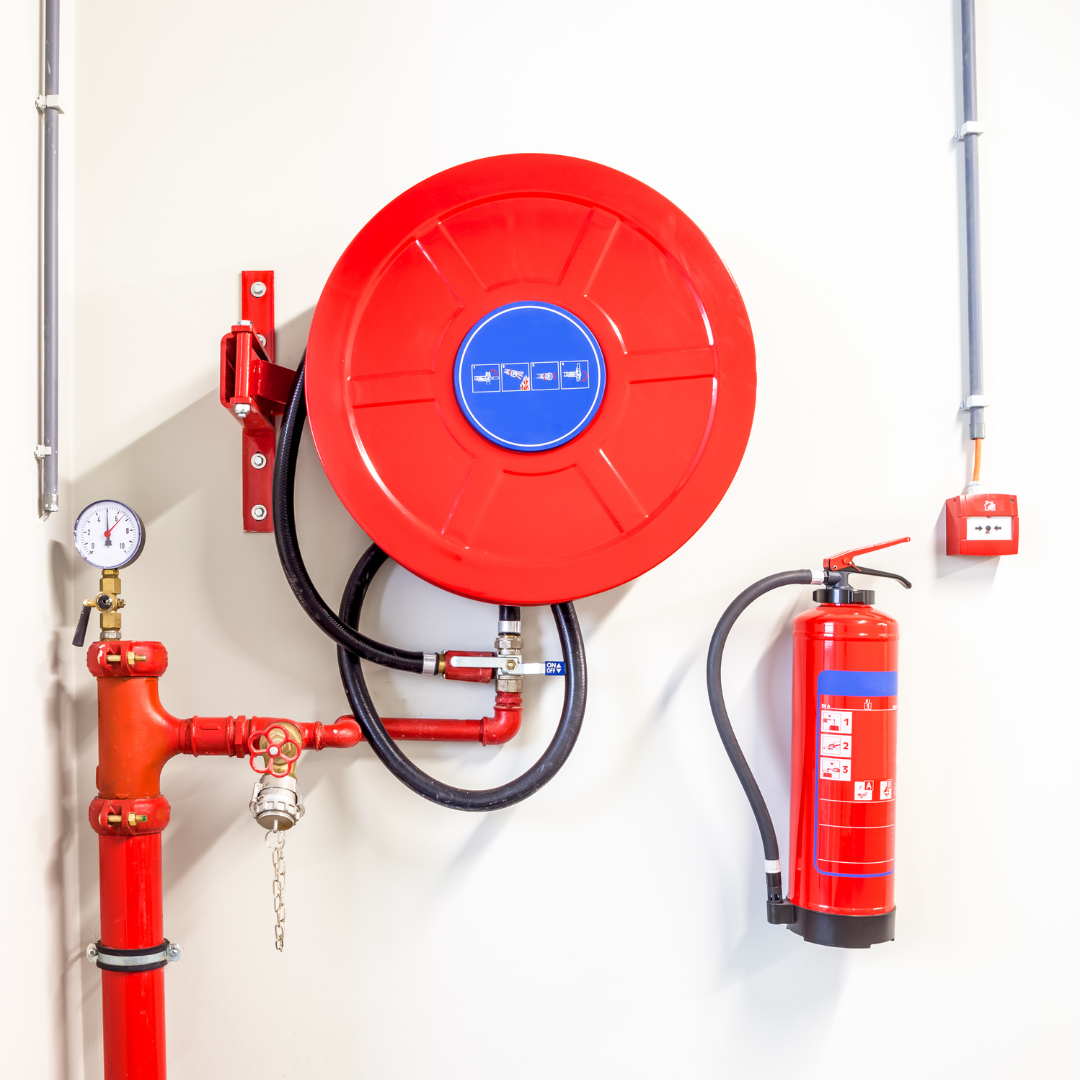
Van Niekerk also stresses the importance of active firefighting equipment in high-risk areas. “It is important to have active firefighting measures, like fire hose reels or extinguishers, especially in high-risk areas. Extinguishers are great for small fires, but for larger areas, a fire hose reel connected to a water supply is better,” he says.
As wildland-urban interfaces – the zones where natural vegetation meets human habitation – continue to grow, van Niekerk’s advice is especially timely. “Managing vegetation, building with non-combustible materials, and controlling the proximity of flammable elements are key to managing fire risk,” he concludes.
By adopting these measures, property owners in high-risk areas can significantly reduce the chances of fire encroachment and ensure their buildings are better prepared to withstand the unpredictable nature of wildfires.
Ends
Connect with ASP Fire on Social Media to receive the company’s latest news
LinkedIn: https://www.linkedin.com/company/asp-fire-pty-ltd/
About ASP Fire
ASP Fire operates across the entire African continent from its Gauteng base, providing professional, accredited fire risk management and support to its clients. ASP Fire designs, installs, and maintains a full range of fire detection and suppression equipment suited to clients’ needs. ASP Fire provides a holistic, proactive, and preventative fire solution based on integrated fire risk assessment, training, and consulting, with the installation and maintenance of fire detection and suppression systems that meet SABS, NFPA, FPASA, and SAQCC standards.
ASP Fire Contact
Michael van Niekerk
ASP Fire
CEO
Phone: +27 (0) 11 452 2169
Cell: +27 (0) 83 779 1701
Fax: +27 (0) 86 505 1030
Email: michael@aspfire.co.za
Web: www.aspfire.co.za
Media Contact
Thobile Ndlovu
Senior PR Account Executive
NGAGE Public Relations
Phone: (011) 867-7763
Cell: 073 574 2931
Email: thobile@ngage.co.za
Web: www.ngage.co.za
Browse the NGAGE Media Zone for more client press releases and photographs at http://media.ngage.co.za
-

ASP Fire CEO Michael van Niekerk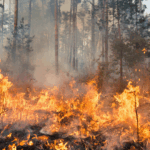
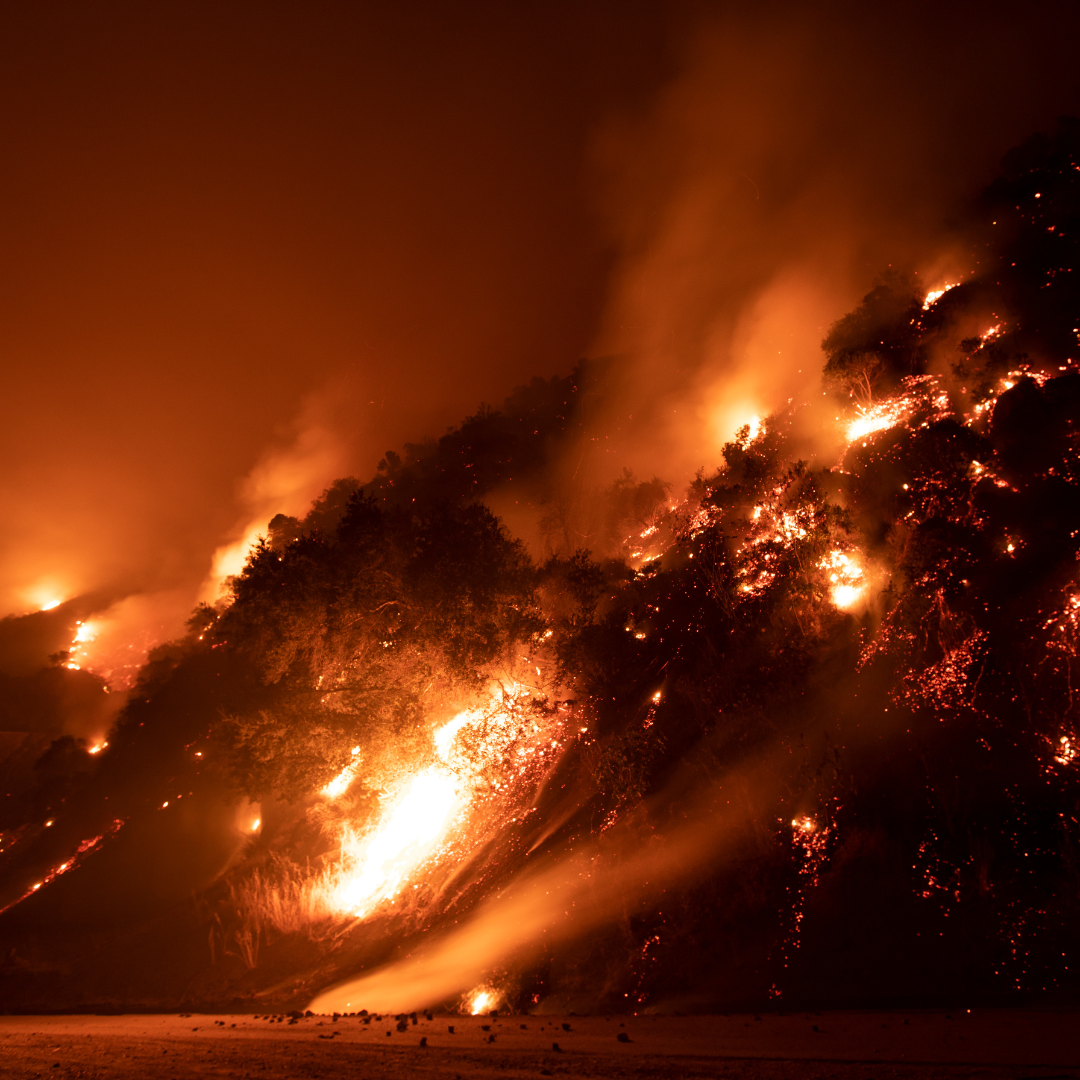
Burning debris blown by the wind, known as burning brands, are a major factor in fire propagation.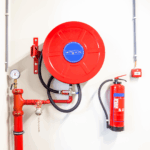
It is important to have active firefighting measures, like fire hose reels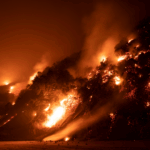
Table Mountain, constantly face the threat of wildfires due to their close proximity to nature.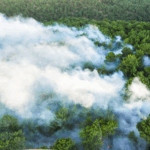
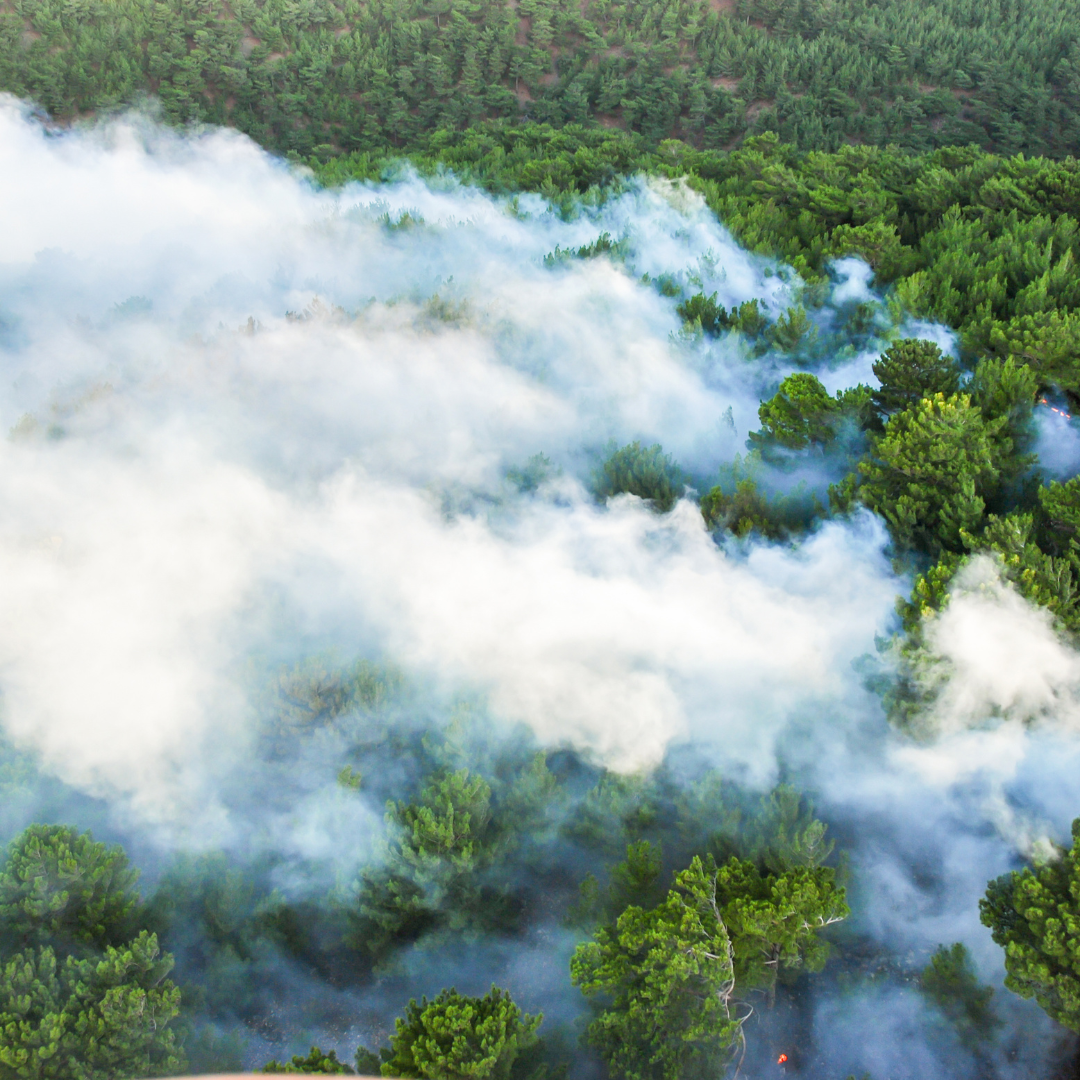
Wildfires continue to pose significant threats to urban areas near nature reserves.
With less water available, the risk of fires spreading increases, especially in dry and windy conditions. - Fire risk assessments vital for buildings interfacing with nature reserves or wildland areas_approved
Fire risk assessments vital for buildings interfacing with nature reserves or wildland areas_approved