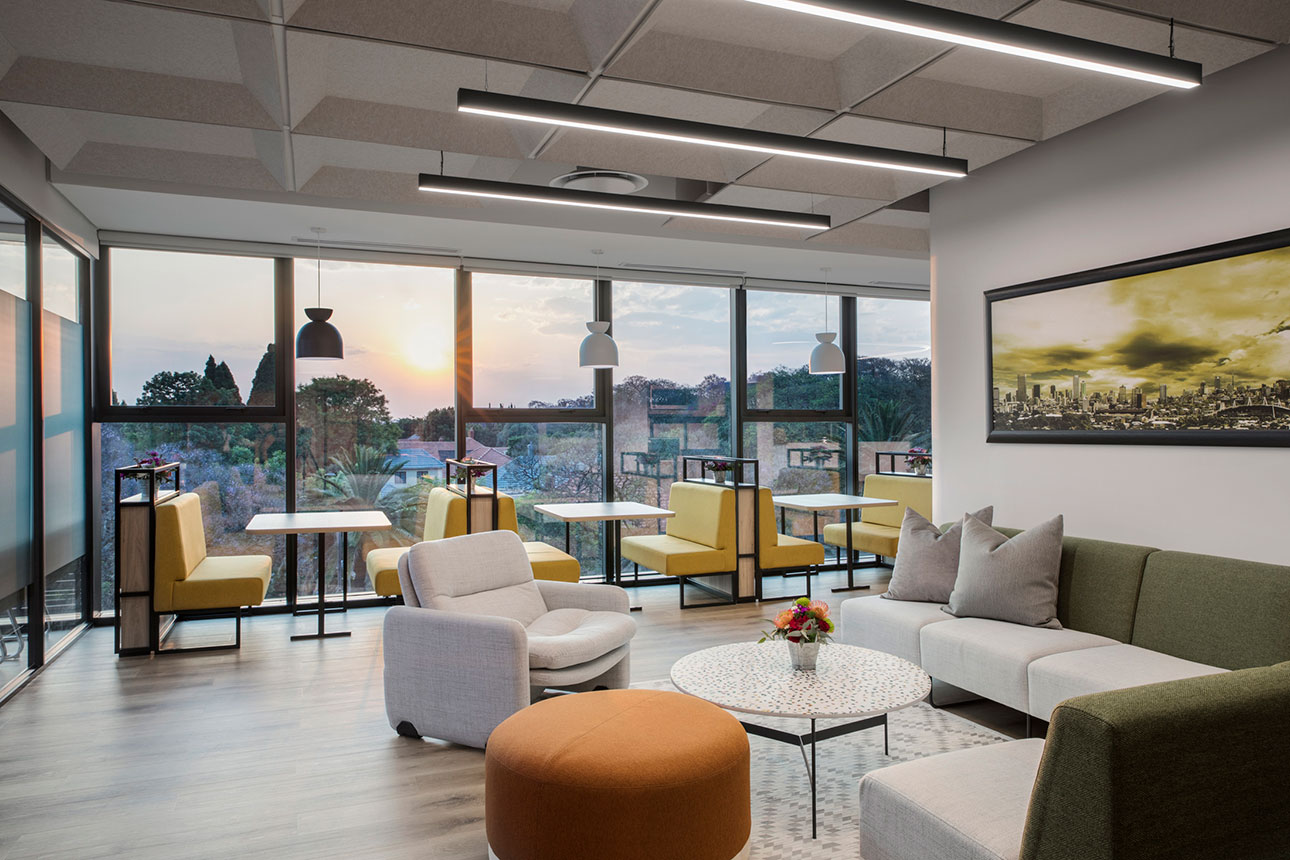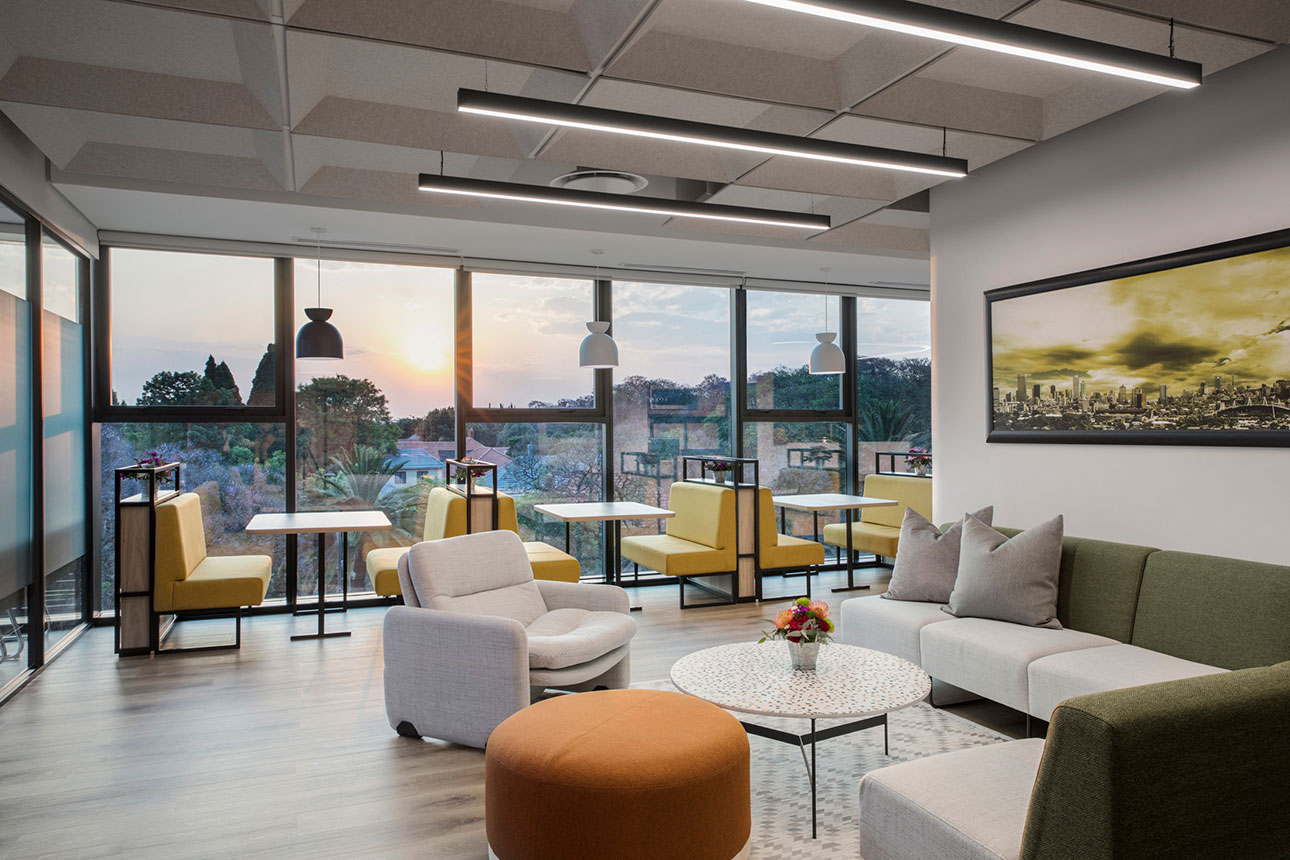
The conversation around workplace wellness has matured. No longer confined to surface-level perks or occasional wellbeing initiatives, it is increasingly embedded in how organisations design the spaces where work actually happens.
At the centre of this shift is a growing recognition of neurodiversity and the need to create environments that support different ways of thinking, focusing, and interacting. Individuals process information, respond to stimuli, and engage with their surroundings in diverse ways. As a result, workplace design must move beyond a one-size-fits-all approach to accommodate a broader spectrum of cognitive experiences.
While ‘neuro-inclusive design’ may sound like a specialised discipline, many of its principles have long been present in well-considered workplaces. What is changing now is the intentionality behind these decisions, and the understanding that inclusive environments are not just beneficial for some employees, but for all.
From activity-based design to cognitive inclusion
At Trend Group, workplace design is inherently activity-based and behaviour-led. This means environments are shaped around how people actually work, rather than how we assume they should. In practice, this results in a diversity of spaces, from collaborative zones to quiet areas, informal settings, and private rooms, each supporting different tasks and working styles.
This approach aligns closely with the principles of neuro-inclusive design. Neurodivergent individuals, including those with ADHD, autism, dyslexia, or sensory sensitivities, often encounter challenges in traditional office environments. Noise, visual clutter, harsh lighting, and a lack of spatial choice can lead to cognitive overload, fatigue, and reduced productivity.
Importantly, these stressors are not exclusive to neurodivergent individuals. They affect a far broader spectrum of employees than many organisations realise. Designing for neurodiversity, therefore, is not about creating niche environments, but about raising the baseline of workplace quality for everyone.
The role of high-focus spaces
One of the most impactful shifts in recent workplace design has been the integration of high-focus environments. These include phone booths, acoustic pods, quiet rooms, and breakaway spaces, now standard across many Trend Group projects.
For example, in Trend Group’s BASF workplace, acoustic pods and carefully zoned layouts separate high-focus areas from collaborative spaces. This reduces noise and sensory overload, allowing employees to move between environments depending on the level of concentration required.
These spaces serve a critical function. They reduce distraction, support deep work, and provide cognitive relief throughout the day. In open-plan offices, where collaboration is often prioritised, the absence of such spaces can quickly lead to overstimulation and diminished performance. Providing access to focused environments is not a luxury; it is fundamental to sustained productivity.
Acoustic design as a foundation of wellbeing
Sound is one of the most underestimated factors in workplace wellbeing. Poor acoustic conditions can significantly impact stress levels, concentration, and overall job satisfaction. Effective acoustic design goes beyond the application of sound-absorbing materials.
It requires a holistic approach that integrates ceiling treatments, partitioning, furniture, and spatial planning. Separating high-energy collaboration zones from quieter work areas ensures that both interaction and focus can coexist without compromise.
This principle is reinforced across projects where acoustic zoning is embedded early in the design process, ensuring that environments support a range of cognitive needs without creating conflict between them.
Spatial zoning and user autonomy
A defining characteristic of neuro-inclusive workplaces is choice. Employees should be able to move between different environments depending on their task, mood, or cognitive needs. This is clearly demonstrated in Trend Group’s European Investment Bank office.
Here a structured range of environments, from private offices to collaborative zones and breakaway spaces, allows users to select spaces aligned with their cognitive requirements. A clear spatial hierarchy and predictable zoning further support orientation and reduce cognitive load.
When designed effectively, this hierarchy empowers individuals to take control of how and where they work. This sense of autonomy is closely linked to wellbeing. When people feel they have agency over their environment, stress levels decrease and engagement improves.
Materiality and sensory experience
The sensory quality of a workspace plays a crucial role in how it is experienced. Harsh, overly sterile, or visually chaotic environments can contribute to cognitive fatigue and discomfort.
In the European Investment Bank project, a controlled material palette and consistent aesthetic were used to minimise visual noise and reduce overstimulation, while biophilic elements introduced calming, restorative qualities.
Bright, clean lines and carefully curated environments created a light, balanced atmosphere that supports both focus and comfort. Such examples highlight how thoughtful material selection, natural elements, and visual clarity can significantly enhance cognitive comfort and overall workplace experience.
Lighting that supports performance
Lighting is another critical, yet often overlooked, component of workplace design. Maximising natural light remains a priority due to its well-documented benefits for circadian rhythms and overall wellbeing.
Beyond this, layered lighting strategies are essential. Rather than relying solely on uniform overhead lighting, effective design considers glare, contrast, and individual comfort. This approach enhances visual clarity while reducing fatigue, particularly for individuals with sensory sensitivities.
Increasingly, workplaces are also adopting human-centric lighting systems that mimic natural daylight patterns, adjusting intensity and colour temperature throughout the day. Trend Group increasingly adopts such solutions, especially in environments with limited access to natural light, helping to support alertness, reduce eye strain, and align indoor conditions more closely with natural biological rhythms.
Balancing energy and calm
Perhaps the most important principle underpinning neuro-inclusive design is balance. Workplaces must support moments of energy and collaboration, as well as opportunities for retreat and focus.
At PepsiCo, for example, a mix of open-plan areas, enclosed meeting rooms, and breakout zones creates a natural flow between high-energy collaboration and quieter, more focused environments. This allows employees to regulate their level of stimulation throughout the day.
Importantly, neuro-inclusive design also recognises the need for rest. In Trend Group’s PPS project, a dedicated wellness room provides employees with a space to step away, reset, and manage sensory fatigue during the working day.
Together, these interventions reflect the reality of modern work: it is dynamic, varied, and deeply human.
Aligning with South African standards and best practice
In South Africa, the conversation around inclusive and wellness-driven workplace design is gaining traction, supported by both local standards and global frameworks.
The South African Bureau of Standards (SABS) provides guidance through standards such as SANS 10400, which include provisions related to lighting, ventilation, and accessibility. The Green Building Council South Africa (GBCSA) further promotes healthier indoor environments through its Green Star rating tools, with a strong emphasis on indoor environmental quality.
Globally, certification systems such as the WELL Building Standard offer more explicit guidance on designing for cognitive and mental wellbeing, including criteria related to acoustic comfort, lighting, biophilia, and mental health support.
While neuro-inclusivity is not always explicitly named in these frameworks, its principles are clearly embedded within them. The opportunity for organisations is to move beyond compliance and towards intentional design that actively supports diverse cognitive needs.
A more inclusive future of work
As organisations navigate hybrid working models, talent retention challenges, and evolving employee expectations, the role of the workplace is being redefined. It is no longer just a place to work; it is a tool for performance, culture, and wellbeing.
Neuro-inclusive design offers a compelling framework for this future. By creating environments that accommodate a wider range of cognitive experiences, organisations can unlock higher levels of focus, creativity, and engagement.
At Trend Group, this is not a departure from how we design; it is a natural evolution. The principles have always been there. What matters now is making them visible, intentional, and measurable. When we design for every mind, we create workplaces that truly work.
Ends
About Trend Group
Trend Group specialises in office interior design and refurbishments in the commercial, industrial and retail sectors. We are a comprehensive, solutions-driven company that operates on a turnkey basis. We offer a streamlined approach to design, procurement, and construction delivery, covering all aspects of the project solution. We are a proud Level 1 B-BBEE accredited company.
Trend Group Contact
Rachel Briant
Marketing Content Manager
Cell: 084 639 4304
Email: rachelb@trendgroup.co.za
Web: www.trendgroup.co.za
Media Contact
Andile Mbethe
Account Executive
NGAGE Public Relations
Phone: (011) 867-7763
Cell: 073 565 6536
Email: andile@ngage.co.za
Web: www.ngage.co.za
Browse the NGAGE Media Zone for more client news articles and photographs at http://media.ngage.co.za
-
Acoustic-zoning-and-calm-materials-create-low-stimulation-focus-friendly-workspaces
Activity-based-layouts-offer-flexibility-supporting-diverse-working-styles-and-needs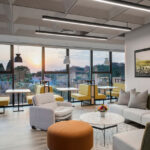
Balanced-breakout-areas-support-both-collaboration-and-moments-of-cognitive-reset-1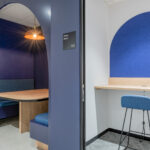
Private-pods-provide-quiet-high-focus-spaces-to-reduce-distraction-and-cognitive-load - Why-neuro-inclusive-workplaces-are-becoming-the-new-standard_Approved
Why-neuro-inclusive-workplaces-are-becoming-the-new-standard_Approved