Helping municipalities move from reactive maintenance to informed, prioritised investment in the electricity networks of tomorrow
By Egon Worthmann, Electrification Leader and Distribution Solutions Division Manager, ABB South Africa
South Africa’s municipalities face a difficult infrastructure challenge. Electricity networks need to be maintained, modernised and, in many cases, substantially upgraded, while municipalities operate within significant financial and resource constraints. The question is not simply how to replace ageing equipment, but where investment will have the greatest impact.
As the industry gathered at the 72nd AMEU Convention in early October under the theme ‘Municipal Power: Pioneering the Future of South Africa’s Electricity Energy Market as per the ERAA’, this is an important conversation. Building the network of the future does not necessarily mean replacing everything with the latest technology. It starts with understanding the condition and requirements of existing infrastructure, identifying the greatest risks and developing a prioritised path forward.
Start with the network, not the product
Municipal electricity networks often comprise assets installed at different times, using different technologies and operating in varying conditions. Some equipment remains fit for purpose, some is approaching the end of its useful life, while deterioration in critical assets may present an immediate operational risk. A blanket approach to upgrading can therefore be both difficult and expensive.
At ABB, we believe technology selection should follow an assessment of the network, rather than the other way around. Engaging with municipalities to understand their networks and assess existing equipment can help identify problem areas, highlight assets in poor condition and inform investment priorities.
This is not about taking over the operation of a municipality’s network. It is about bringing specialist expertise and technology knowledge to help municipalities make better-informed decisions about their own infrastructure.
From condition assessment to investment priorities
Where infrastructure investment backlogs are substantial, municipalities may know that equipment needs upgrading but still face the difficult question of what should happen first. A system-level assessment can provide a clearer picture. If some assets are approaching critical condition while others remain serviceable, investment can be directed towards the areas where intervention is most urgent.
This can help municipalities motivate for capital expenditure and create a more structured roadmap for future upgrades. The objective is to move from reactive infrastructure management towards prioritised asset management, where decisions are based on the condition and importance of assets rather than on isolated equipment needs.
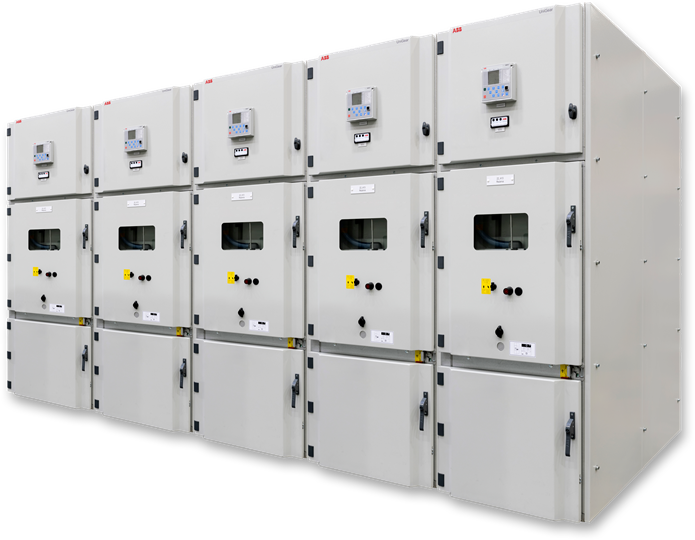
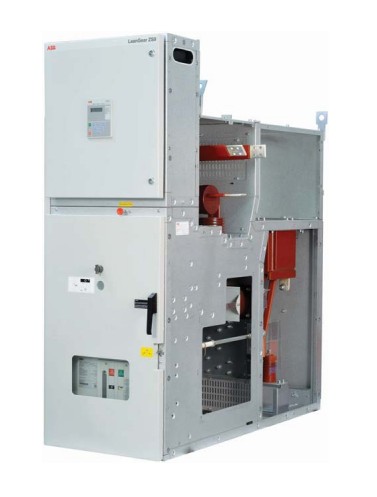
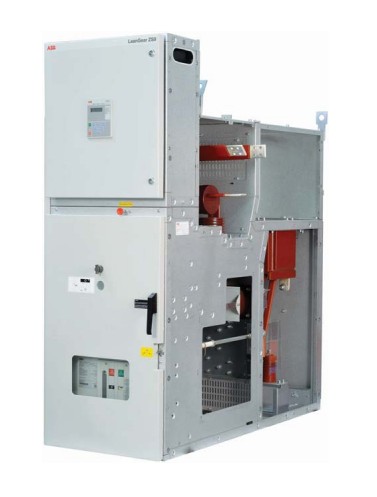
Once network requirements are understood, the next step is to select appropriate technology. Not every municipal application requires the same specification. ABB’s LeanGear medium-voltage switchgear, for example, has been designed with utility applications in mind. By aligning the design with relevant fault levels and switching requirements, it offers a cost-effective solution while retaining the quality and reliability expected from ABB technology. For more demanding applications, UniGear provides a high-end medium-voltage switchgear platform where reliability and performance are critical.
Cost of electrical infrastructure
The cost of electrical infrastructure extends beyond the initial purchase price. Reliability, maintenance requirements, the availability of spares, technical support and the consequences of failure all influence total cost of ownership. Cost-effective should not simply mean cheaper: equipment that is fit for purpose and reliable over its operating life can deliver greater value than an apparently less expensive alternative.
Local availability and support are important when infrastructure is critical to communities and prolonged outages can have significant consequences. ABB’s locally manufactured switchgear contains more than 60% local content, supporting local engineering and manufacturing capabilities as well as a local supply and support base. This can offer practical advantages in product availability, access to spares and response times.
Local manufacturing also contributes to specialised skills and the wider South African industrial ecosystem. For infrastructure expected to perform for many years, these factors should be considered during procurement, not only after something goes wrong.
Designing for different municipal environments
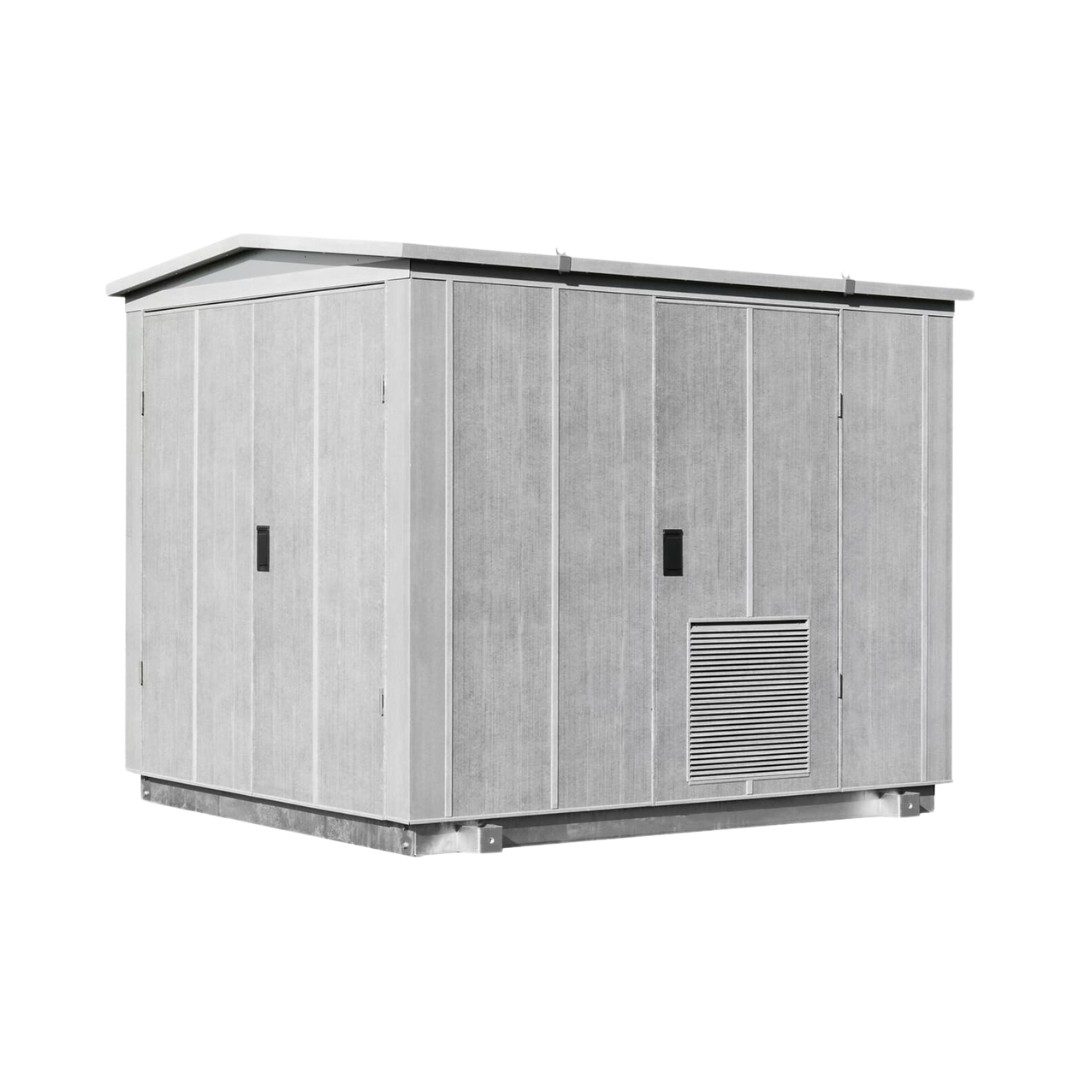
Municipalities operate in different physical and environmental conditions. Environmental exposure, space constraints, network requirements and operational considerations all influence the choice of solution. ABB’s Unipack Compact Secondary Sub-Station (CSS) is one example of equipment adapted to particular operating environments, including applications where protection from corrosive conditions is important.
The broader principle is to understand the environment first and then select technology that fits it. The same applies to infrastructure security. Where vandalism and damage are ongoing concerns, solutions need to reflect the specific risks and conditions in which they will operate. There is no single answer for every network; the response must be appropriate to the application.
Once fundamental infrastructure needs have been addressed, municipalities can introduce more advanced technologies where they offer genuine value. ABB’s capabilities include protection and control, SCADA integration, remote and condition monitoring, and centralised or virtualised protection.
Centralised protection moves protection functions away from individual hardware devices on each panel towards a centralised architecture. This can provide greater flexibility for future upgrades, allowing protection philosophies and functionality to be developed increasingly through software rather than requiring wholesale hardware changes.
Data from monitoring systems can also support more proactive asset management. However, digitalisation should not become a technology exercise for its own sake. The starting point remains the problem to be solved. For some municipalities, reliable, fit-for-purpose switchgear may be the immediate priority; for others, advanced monitoring, protection and control can provide additional value. Technology should follow need.
A partnership approach to municipal infrastructure
South Africa’s municipal electricity challenge cannot be addressed through products alone. It requires cooperation between municipalities, technology providers, engineering companies, EPCs, contractors and other industry stakeholders.
ABB’s role is not to operate municipal networks on municipalities’ behalf. Rather, we work with municipalities and local partners by bringing specialist expertise, technology and support to the challenges they are trying to solve. That can begin with assessing existing assets and identifying where attention is most urgently required. From there, municipalities can develop a structured approach to assessing, prioritising, specifying, upgrading and progressively modernising their networks.
The future of municipal power will not be built through one technology or one large infrastructure project. It will depend on thousands of informed decisions about individual assets, networks and communities. By helping municipalities understand their infrastructure, identify the areas that matter most and select technology that is genuinely fit for purpose, we can help turn limited investment into greater long-term reliability. That is where the conversation about pioneering the future of municipal power should begin.
ABB is a global technology leader in electrification and automation, enabling a more sustainable and resource-efficient future. By connecting its engineering and digitalization expertise, ABB helps industries run at high performance, while becoming more efficient, productive and sustainable so they outperform. At ABB, we call this ‘Engineered to Outrun’. The company has over 140 years of history and around 110,000 employees worldwide. ABB’s shares are listed on the SIX Swiss Exchange (ABBN) and Nasdaq Stockholm (ABB). www.abb.com)
ABB Electrification is a global technology leader enabling the efficient and reliable distribution of electricity from source to socket. With more than 50,000 employees across 100 countries, we collaborate with our customers and partners to solve the world’s greatest challenges in electrical distribution and energy management. As the energy transition accelerates and electricity demands grow, we are electrifying the world in a safe, smart and sustainable way. At ABB, we are ‘Engineered to Outrun’, and we are passionate about helping our customers and partners do the same. go.abb/electrification
|
— |
||
|
Media Relations |
Investor Relations |
ABB Ltd |
-
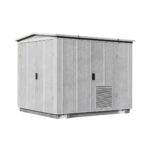
ABBs Compact Secondary Substation CSS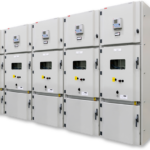
ABB's UniGear MV switchgear
Egon Worthmann Electrification Leader and DS Division Manager ABB South Africa
LeanGear ABB's Medium-Voltage Switchgear - Building a more resilient municipal electricity network_approved
Building a more resilient municipal electricity network_approved