Greater visibility across operations, combined with stronger collaboration between businesses, suppliers and technical teams, can help organisations make better decisions, improve efficiency and build resilience in an increasingly volatile operating environment
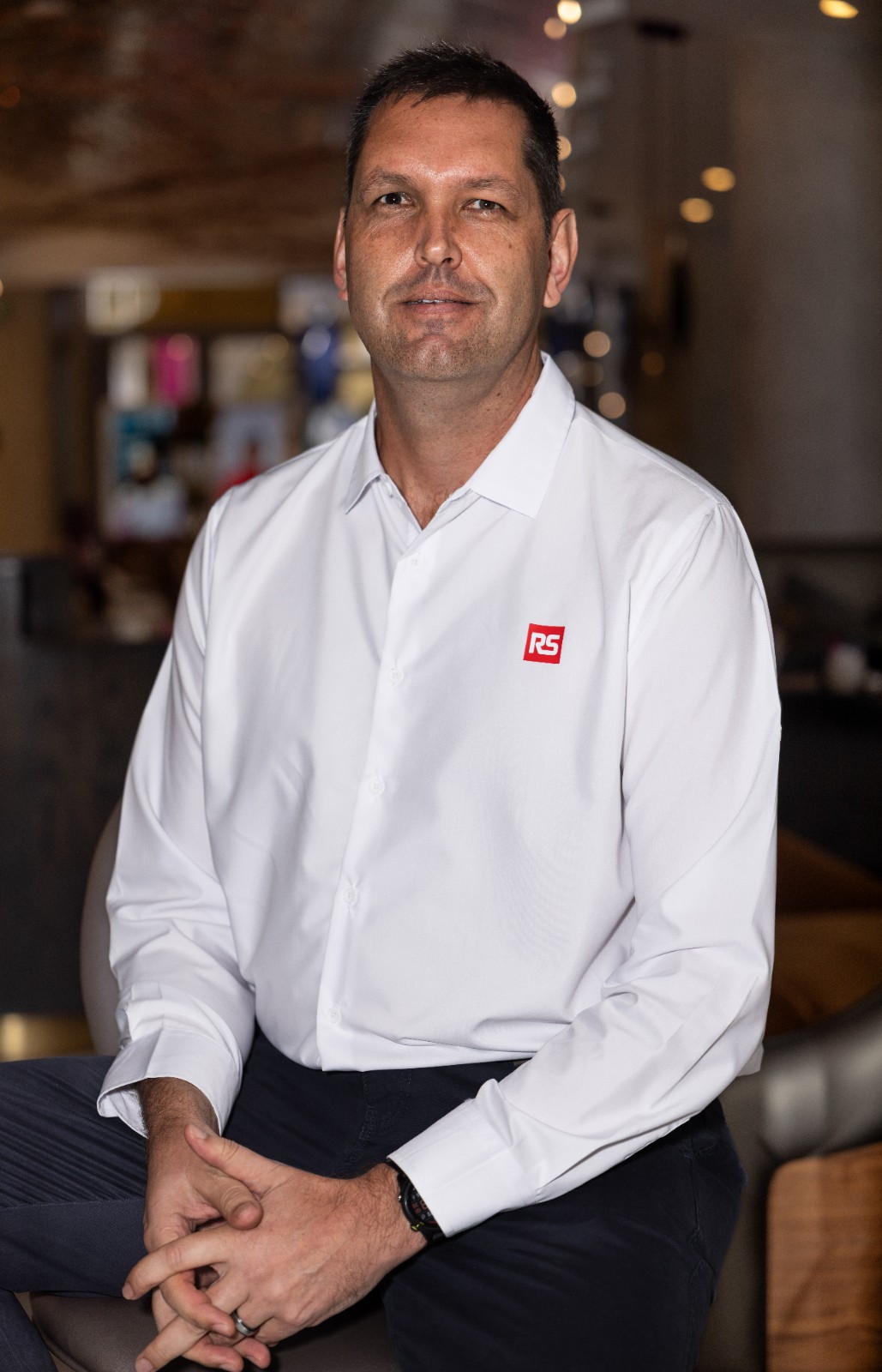
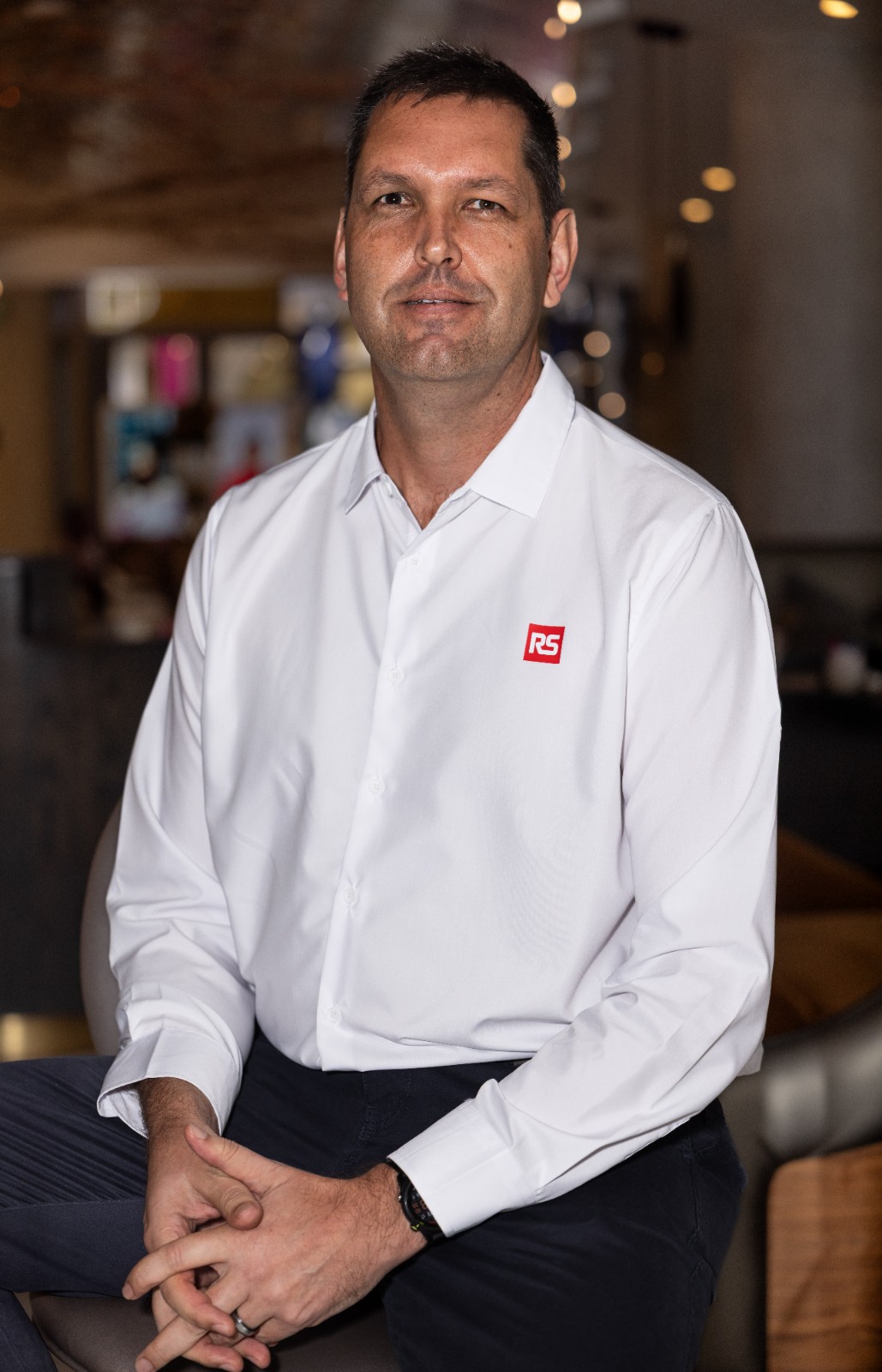
By De Wet Joubert, Operations and Strategic Projects Director, RS South Africa
Industrial businesses are operating under pressure from multiple directions. Rising costs, supply-chain volatility, skills shortages and increasing demands for uptime are creating an environment in which organisations need to make faster, better-informed decisions while controlling costs and maintaining efficiency.
These pressures are interconnected, making visibility and collaboration across the industrial ecosystem increasingly important. When information is fragmented across procurement, engineering, maintenance and suppliers, seemingly small gaps can have significant operational consequences.
Better visibility enables better decisions
A lack of visibility can manifest in basic ways. Businesses may not have a clear view of stock in their maintenance stores, may struggle to identify the right product or supplier, or may lose sight of where an order or approval sits within the procurement process.
Different departments may also be working from different information, KPIs and priorities. These gaps can lead to more emergency buying, increased transactional costs and, ultimately, more downtime.
The answer is not simply to collect more information. The real value comes from turning information into useful insight that enables people to make decisions earlier and act with greater confidence.
Digital systems, data capabilities and procurement solutions can help create this visibility across the maintenance, repair and operations (MRO) ecosystem. Inventory management solutions can help ensure critical products are available when needed, while digital procurement processes can provide greater transparency into purchasing activity.
This is increasingly important as procurement evolves from a transactional function into a more strategic contributor to continuity, efficiency, sustainability and resilience.
Collaboration turns visibility into action
Visibility alone is not enough. Information only creates value when the people who need it can use it to make decisions and solve problems. Industrial resilience therefore requires stronger collaboration between procurement, engineering, maintenance and suppliers.
Rather than treating the customer-supplier relationship as purely transactional, suppliers need to understand the operational environment in which their products and solutions are being used.
Breaking down these silos creates a clearer picture of what is happening across an operation and changes the nature of problem-solving. Instead of responding to downtime with an urgent replacement or temporary fix, organisations can work with suppliers and technical specialists to understand underlying causes and identify opportunities to prevent recurrence.
This matters because downtime is rarely an isolated maintenance issue. It can affect production output and revenue while increasing maintenance, operating and procurement costs. Closer collaboration can also help organisations identify emerging technologies and new approaches earlier by combining suppliers’ market knowledge with customers’ understanding of their operational challenges.
From reactive procurement to proactive resilience
Greater visibility and collaboration are also changing the role of procurement. Digital platforms, Vendor Managed Inventory (VMI), predictive ordering and increasingly AI-supported approaches can help organisations move towards more proactive supply-chain management.
Data from the field can provide insight into demand patterns, reorder points and future requirements. Rather than waiting for a critical component to run out or an urgent maintenance requirement to emerge, organisations can use this information to anticipate demand and plan accordingly.
For industrial organisations, resilience is therefore becoming less about having a contingency plan for the next disruption and more about how the operation is structured every day.
That means creating visibility across information flows, breaking down silos between departments, using data to identify risks and opportunities, and developing supplier relationships that extend beyond the traditional transaction.
Technology should support this process rather than create another layer of disconnected information. The objective is to give decision-makers the insight they need, when they need it, while connecting the stakeholders who can act on it.
In an increasingly uncertain industrial environment, the organisations best positioned to navigate volatility will be those that can see more clearly, collaborate more effectively and act before disruption becomes downtime.
-Ends-
About RS
RS is a high-service global product and service solutions provider for industrial customers, enabling them to operate efficiently and sustainably.
We operate in 33 markets, stock over 875,000 industrial and specialist products and list an additional five million relevant for our industrial customers, sourced from over 2,500 suppliers. This extensive range supports our customers across the industrial lifecycle of designing, building and maintaining equipment and operations. We enhance their experience through a tailored service model, leveraging our efficient physical, digital and process infrastructure sustainably. We combine a technically led and digitally enabled approach with an exceptional team of experts; ultimately, it’s our people that make the difference.
Our purpose, making amazing happen for a better world, reflects our focus on delivering results for people, planet and profit.
RS Group plc is listed on the London Stock Exchange with stock ticker RS1 and in the year ended 31 March 2026 reported revenue of £2,881 million.
PR Contact DETAILS:
Princess Hlatshwayo
Communications & Content Specialist
RS South Africa
Princess.Hlatshwayo@rsgroup.com
+27 11 691 9366
Media Contact Person – NGAGE:
Thobile Ndlovu
PR Account Executive
+27 11 867 7763
Further information is available via these links:
- LinkedIn: https://www.linkedin.com/company/rs-south-africa
- Facebook: https://www.facebook.com/rssouthafrica
-

DeWet Joubert, Operations and Strategic Projects Director, RS South Africa - Visibility collaboration are the foundations of a more resilient industrial operation_approved
Visibility collaboration are the foundations of a more resilient industrial operation_approved