Transport Month highlights the need for safe, affordable and sustainable transport infrastructure that connects communities to economic opportunities, with integrated planning and technology helping to shape more resilient networks.
As South Africa marks Transport Month in October, the focus is on building a transport system that is safe, sustainable, reliable and affordable. The R573 Moloto Road Section 2 Upgrade, for which global infrastructure leader AECOM undertook design and construction monitoring services on behalf of SANRAL, illustrates how integrated transport planning can improve road safety, accessibility and mobility along a busy commuter corridor.
Achieving these outcomes requires more than expanding road capacity. It means understanding how people travel, where communities are growing and how infrastructure can improve access to employment, education and essential services.
For AECOM, this calls for a more integrated, human-centred approach to transport planning, balancing technical requirements and economic constraints with the needs of the people who depend on these networks. “From a transport planning perspective, it is about connecting people to opportunities,” comments Robert Kotze, Associate Director, Traffic and Transport Planning.
Many South Africans live far from economic centres, spending a disproportionate amount of their time and income travelling. Better integration between land-use and transport planning is therefore essential to improving connectivity and affordability.
Designing for how people actually travel
The R573 Moloto Road Section 2 Upgrade illustrates the importance of designing infrastructure around real-world travel patterns. The route serves commuters travelling between Mpumalanga and Gauteng, connecting numerous settlements and townships while accommodating motorists, pedestrians and public transport users.
Historically, high traffic volumes, unsafe overtaking, informal access points and inadequate pedestrian facilities contributed to serious safety challenges. The upgrade demonstrates why transport infrastructure must evolve alongside the communities it serves.
“Transport infrastructure must be designed around the communities it serves, anticipating how development, traffic volumes and travel patterns will evolve. By integrating safety into the design from the outset, we can create roads that respond to real-world conditions and better protect all road users,” says Tanya van den Heever, Principal Engineer, Transport Planning at AECOM.
She highlights the importance of anticipating how development, traffic and pedestrian activity change over time. Roads cannot be treated as isolated facilities, but must form part of a broader transport system that responds to surrounding communities and their changing needs.
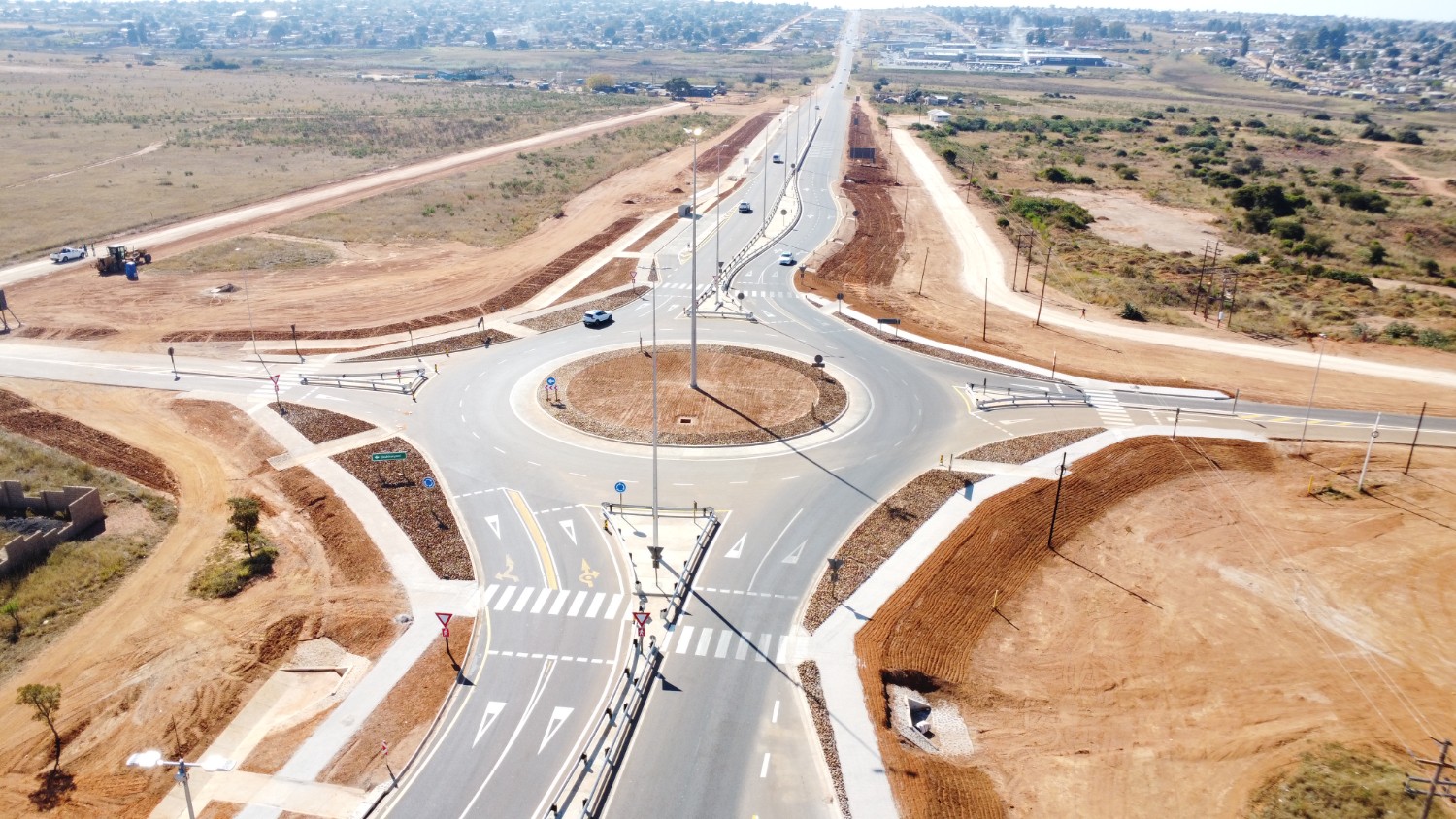
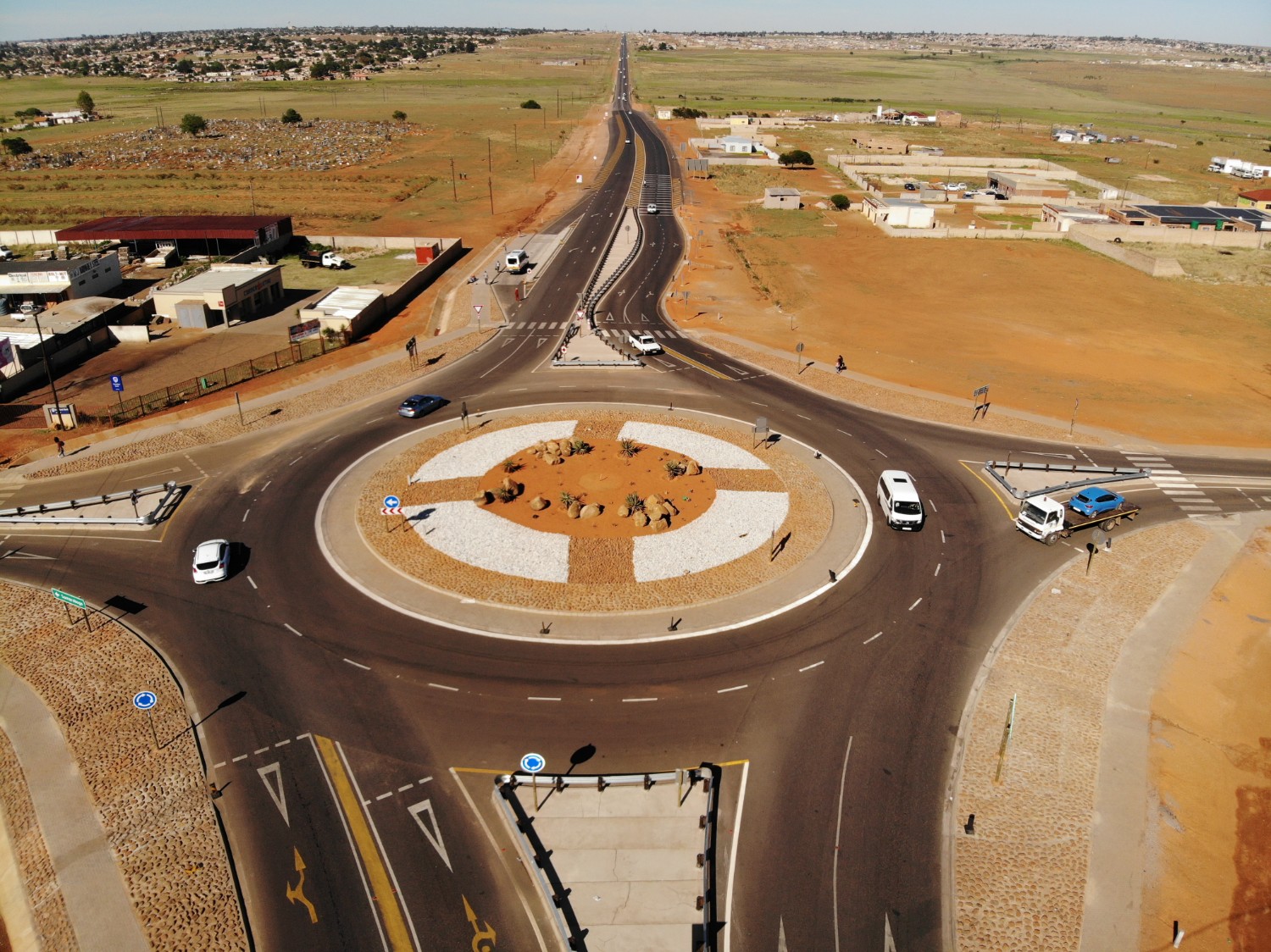
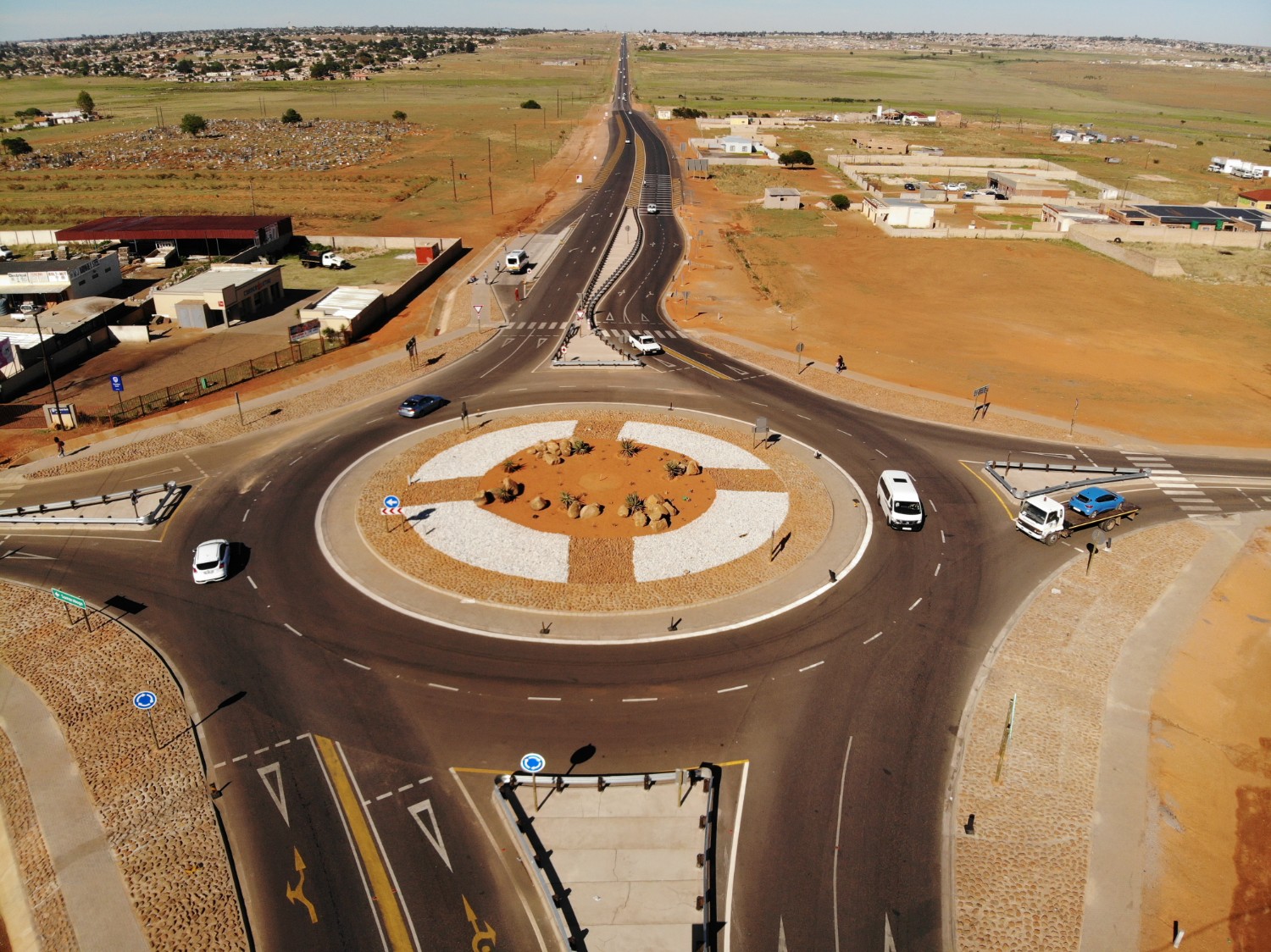
The Moloto Road project incorporated a range of targeted interventions, including median barriers to separate opposing traffic, redesigned intersections, roundabouts with chicanes to reduce vehicle speeds, improved lighting and facilities for pedestrians and public transport. Together, these measures address key safety risks while improving accessibility for different road users.
Affordability means long-term value
Delivering infrastructure within constrained budgets requires careful prioritisation. However, affordability is not simply a question of choosing the cheapest option. Engineers must consider the investment needed to provide an acceptable level of service, the cost of maintaining it over time and whether the resulting transport options are affordable for users.
“Affordable transport infrastructure is about more than the initial cost. It must deliver lasting value while improving people’s access to opportunities,” says Khevna Rajput, Engineer, Transport Planning at AECOM. Early community engagement and a clear understanding of how people travel are essential to ensuring that infrastructure meets their needs.
Rajput stresses that engineers should prioritise improvements that will make the greatest difference, with a focus on maximising value from available resources. On the Moloto Road project, the team also reused suitable existing pavement materials and incorporated locally sourced materials where practical. These measures helped reduce waste and the demand for new resources, while maintaining the engineering standards required for safety, performance and durability.
Technology and resilience shape the road ahead
Digital tools are creating new opportunities to improve the planning, delivery and management of transport infrastructure. On the Moloto Road project, AECOM used drones to capture construction data and digital dashboards to monitor progress, compare actual work against planned activities and identify potential delays.
Rajput believes these technologies, alongside data analytics and artificial intelligence, will become increasingly important as infrastructure demands evolve. Better information can support more proactive decision-making and help engineers refine future designs using lessons from completed projects.
Resilience is equally important. Van den Heever notes that engineers must account for flooding, intense rainfall, extreme temperatures and other climate-related risks when designing roads, bridges and drainage systems. Infrastructure needs to remain reliable over its intended lifespan, even where maintenance resources are constrained.
Looking ahead, Kotze stresses the importance of sound planning, responsible fiscal management, effective project delivery and collaboration between stakeholders. Investment must be directed towards interventions that deliver lasting social and economic benefits.
Ultimately, South Africa’s transport future depends on shifting the emphasis from moving vehicles to moving people safely and efficiently. By integrating transport modes, engaging communities and applying technology and sound engineering, the industry can help build networks that connect more people to opportunities and support inclusive economic growth.
Ends
Notes to the editor
To download hi-res images for this news article, please visit http://media.ngage.co.za and click on the AECOM link to view the company’s press office.
About AECOM
AECOM is the global infrastructure leader, committed to delivering a better world. As a trusted professional services firm powered by deep technical abilities, we solve our clients’ complex challenges in water, environment, energy, transportation and buildings. Our teams partner with public- and private-sector clients to create innovative, sustainable and resilient solutions throughout the project lifecycle – from advisory, planning, design and engineering to program and construction management. AECOM is a Fortune 500 firm that had revenue of $16.1 billion in fiscal year 2025. Learn more at aecom.com.
AECOM Contact
Lucy Jacobs-McLane
Communications Lead, Strategy & Growth, Middle East & Africa
Phone: +971 52 152 7638
Email: lucy.mclane@aecom.com
Website: www.aecom.com
Media Contact
Thobile Ndlovu
Senior Account Executive
NGAGE Public Relations
Phone: (011) 867-7763
Cell: 073 574 2931
Email: thobile@ngage.co.za
Web: www.ngage.co.za
Browse the NGAGE Media Zone for more client news articles and photographs at http://media.ngage.co.za
-

Moloto Road Project (2)
Moloto Road Project
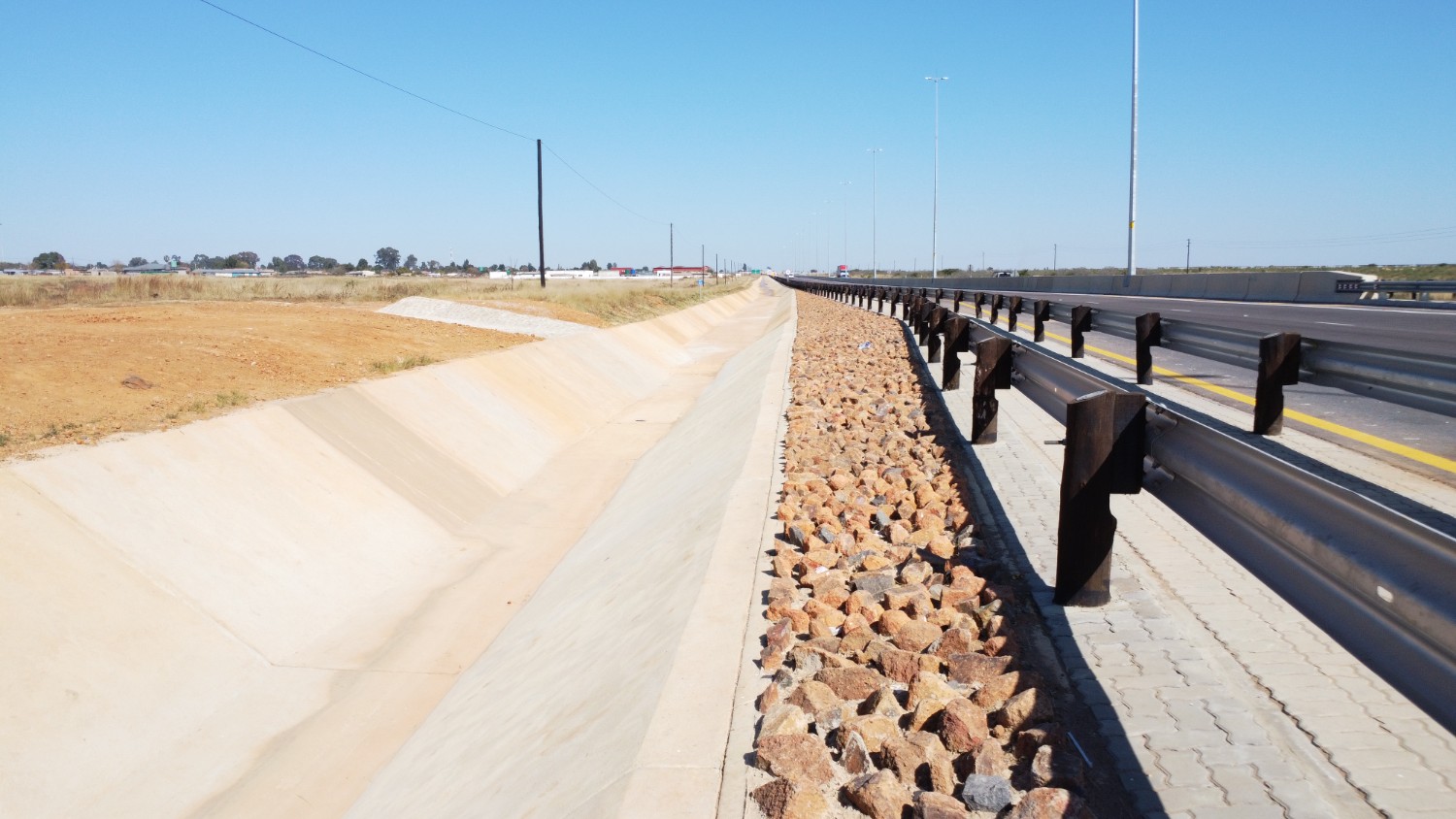
Moloto Road Project_Successful implementation of designs through SMMEs, including drainage works, guardrails, stone pitching and block paving.
Khevna Rajput, Engineer, Transport Planning, AECOM.
Robert Kotze, Associate Director, Traffic and Transport Planning, AECOM.
Tanya van den Heever, Principal Engineer, Transport Planning, AECOM. - Putting people at the centre of South Africa's transport future_approved
Putting people at the centre of South Africa's transport future_approved