Technology and smart workplace solutions are no longer future-facing concepts, but are actively transforming how organisations design, experience, and optimise their workplaces. Artificial intelligence (AI), connected systems, and digital workplace tools are helping businesses create more responsive, flexible, and efficient environments.
From the experience of Trend Group, this shift is not simply about adopting new tools. It is about integrating data, technology, and human-centred design to create workspaces that are more flexible, efficient, and aligned with the realities of hybrid work. As workplaces evolve, organisations that embrace these innovations are seeing measurable gains in employee satisfaction, operational efficiency, and long-term cost savings.
At a global level, insights from Gensler reinforce this trajectory. Its workplace research shows that offices designed around employee experience and wellbeing drive higher levels of innovation, engagement, and collaboration. In other words, the physical workplace remains a critical asset, provided it evolves in step with changing expectations.
Transforming raw data into actionable insight
One of the most significant contributions of technology such as AI in workplace design lies in its ability to transform raw data into actionable insight. Modern offices generate vast amounts of information, from occupancy sensors and booking systems to environmental data. When harnessed effectively, this data reveals how spaces are actually used, rather than how they were intended to be used.
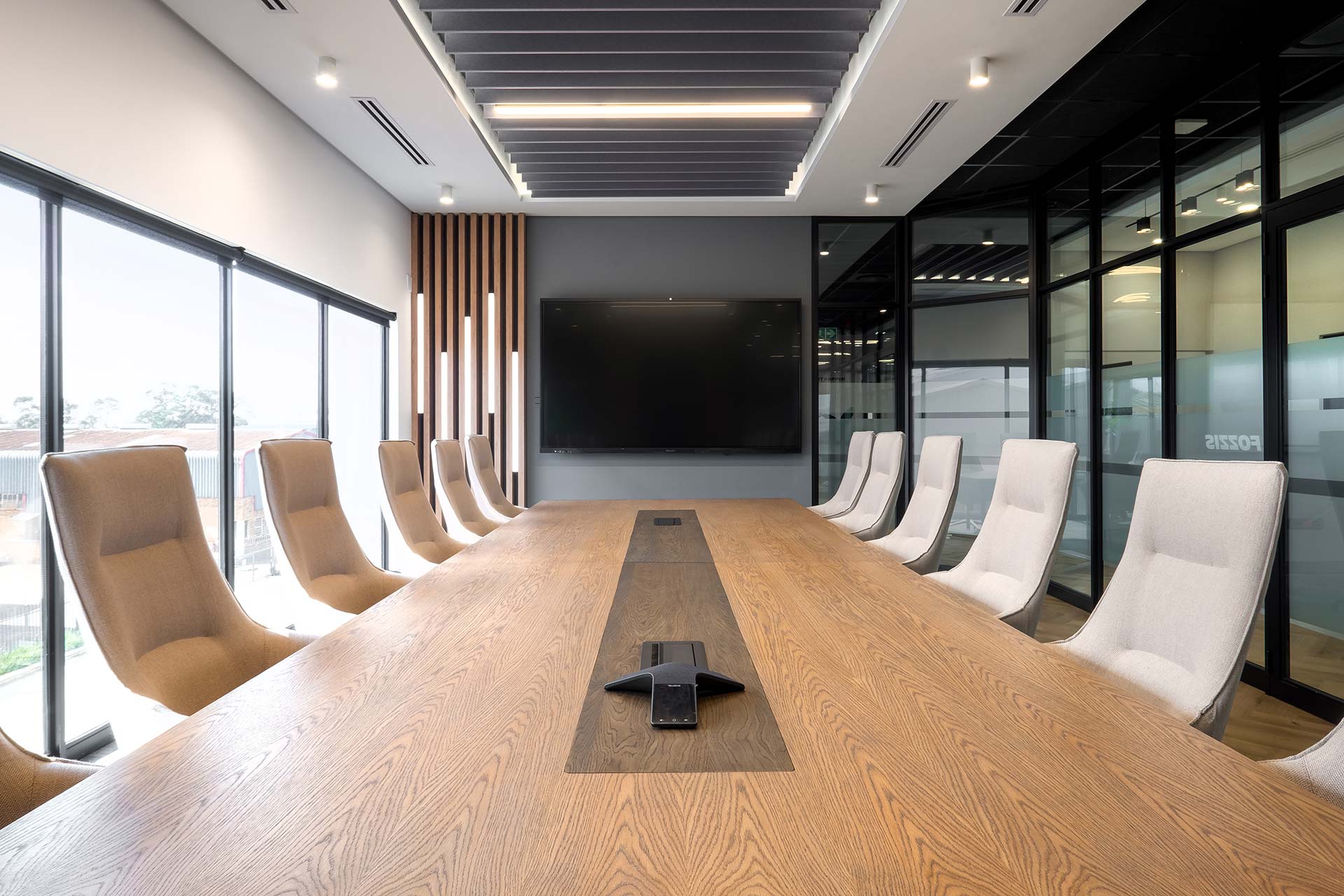
This allows organisations to rethink spatial planning with precision. Underutilised boardrooms can be reimagined as collaboration hubs, while high-traffic areas can be enhanced with flexible work zones. The result is a workplace that works harder, delivering greater return on investment per square metre.
This approach is particularly relevant in South Africa, where rising commercial property costs and ongoing pressure on operational budgets are driving businesses to maximise efficiency. According to the South African Property Owners Association, space optimisation and flexible leasing strategies have become key priorities in the post-pandemic commercial property market.
Technology-enabled workplaces
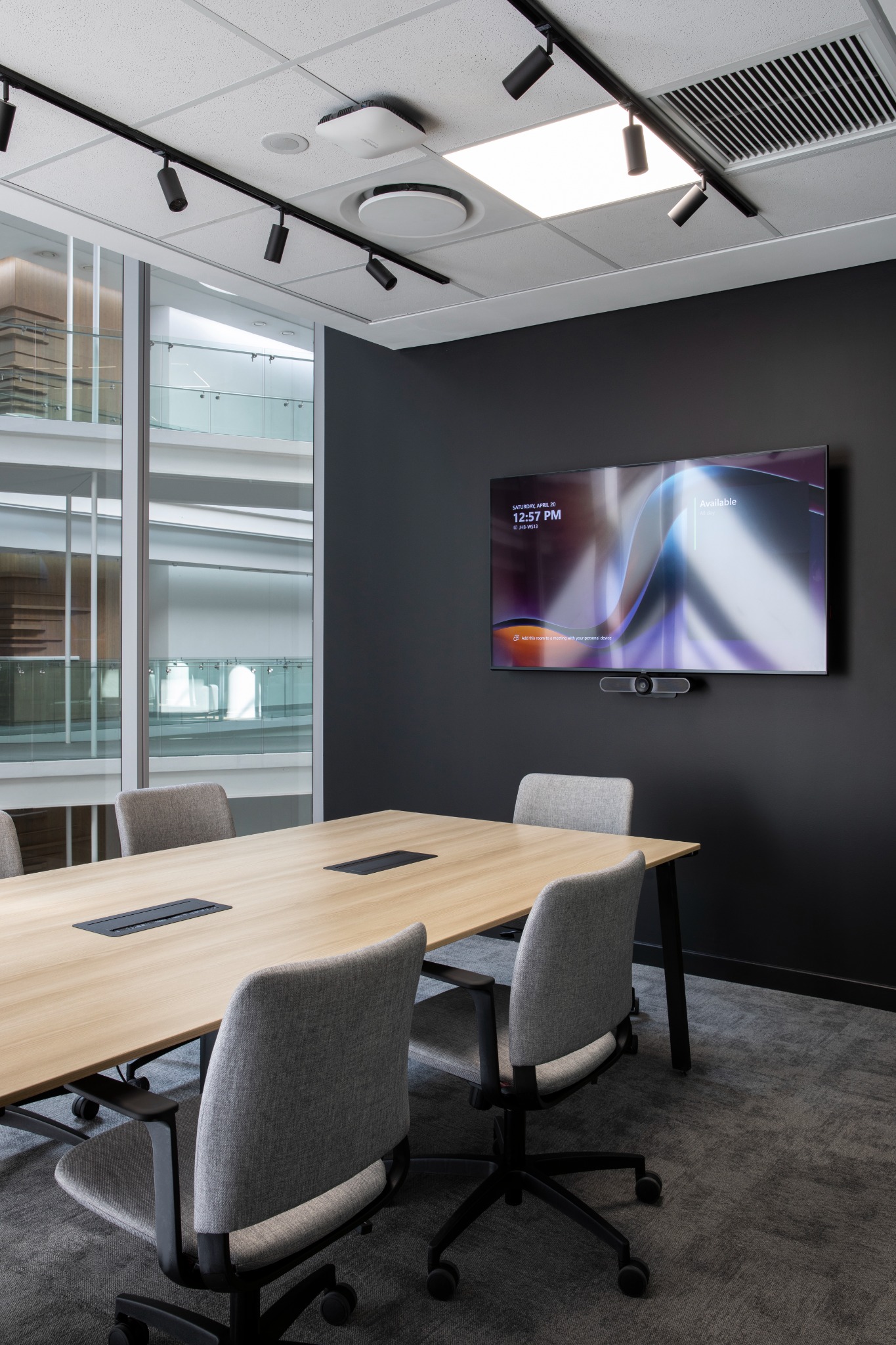
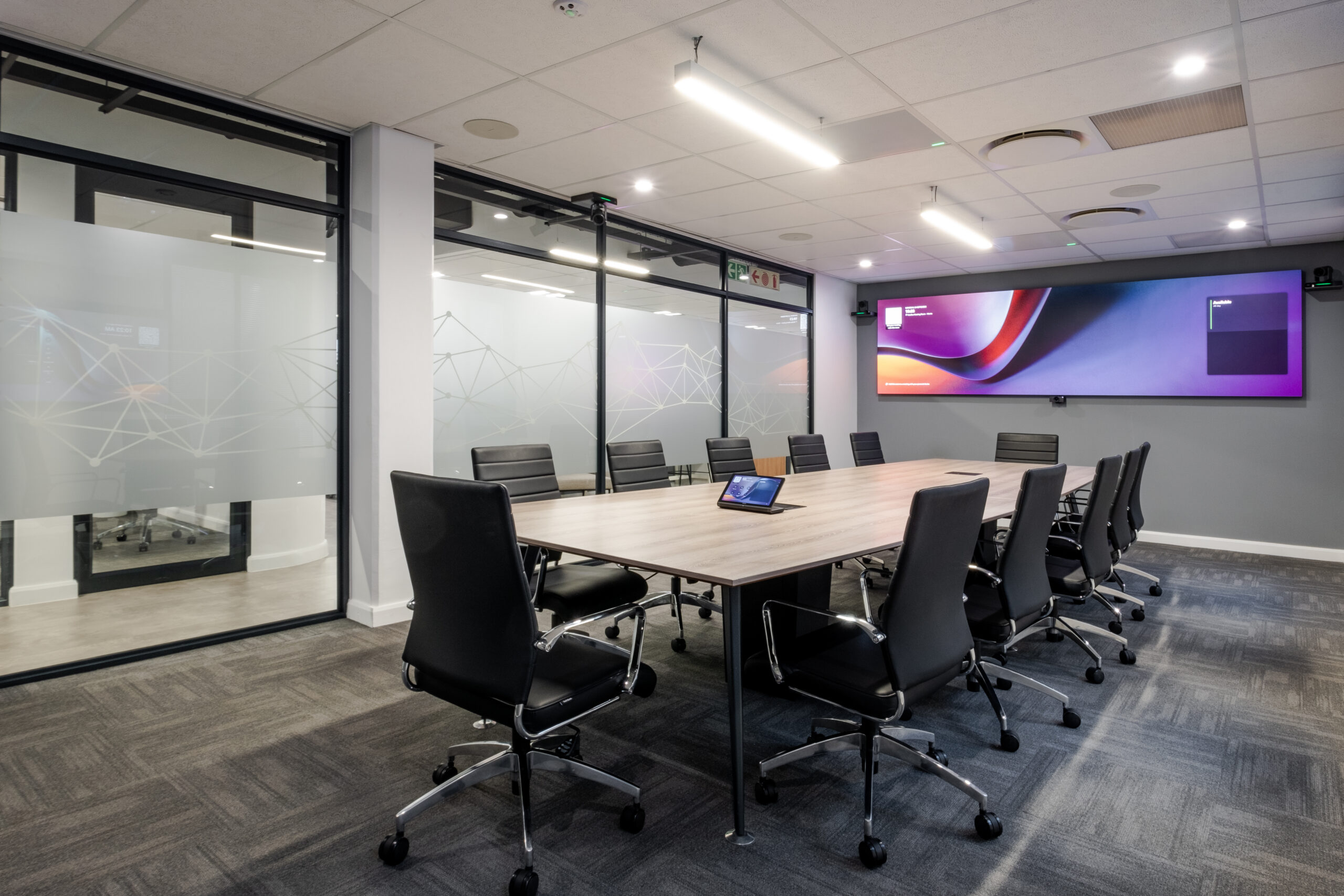
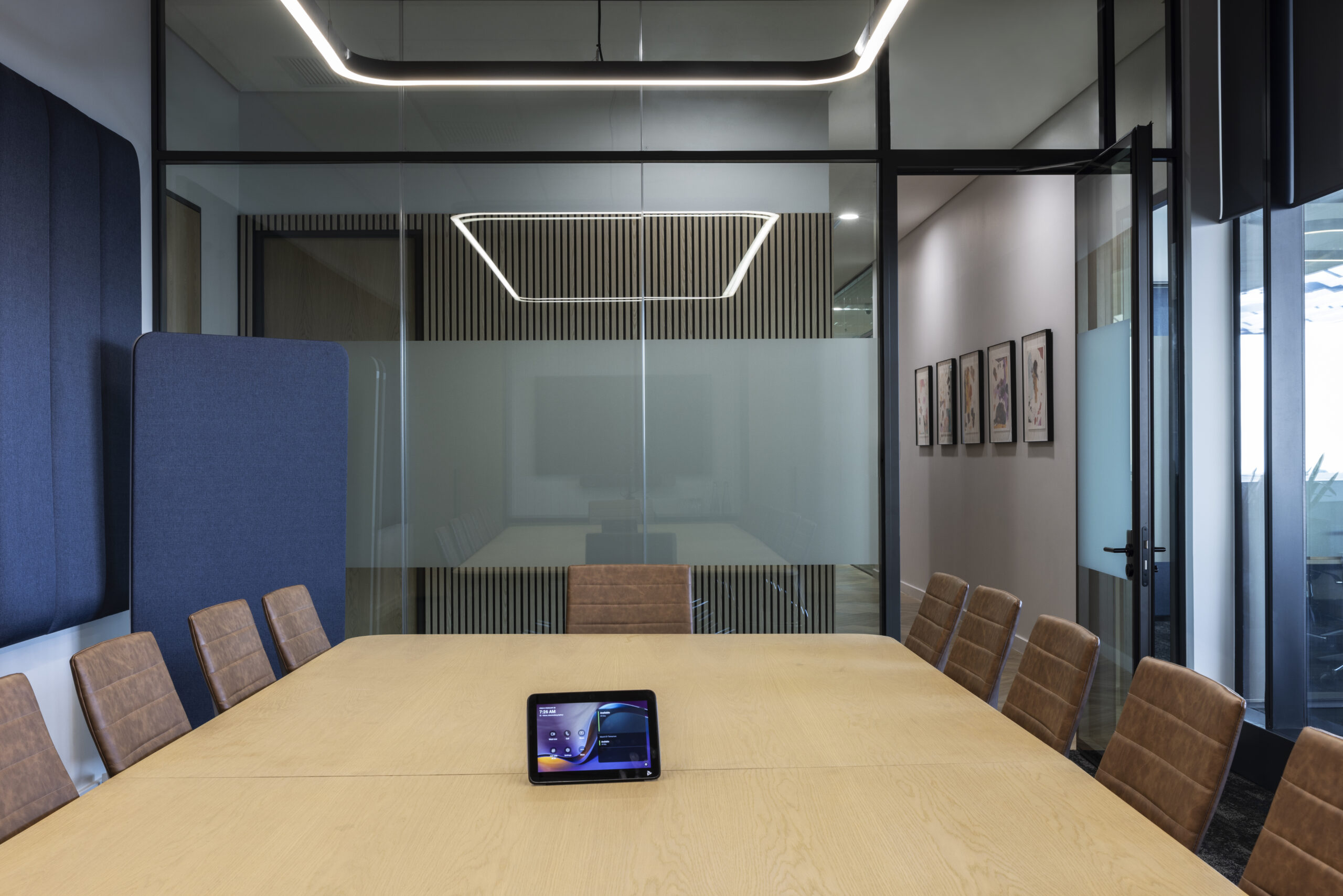
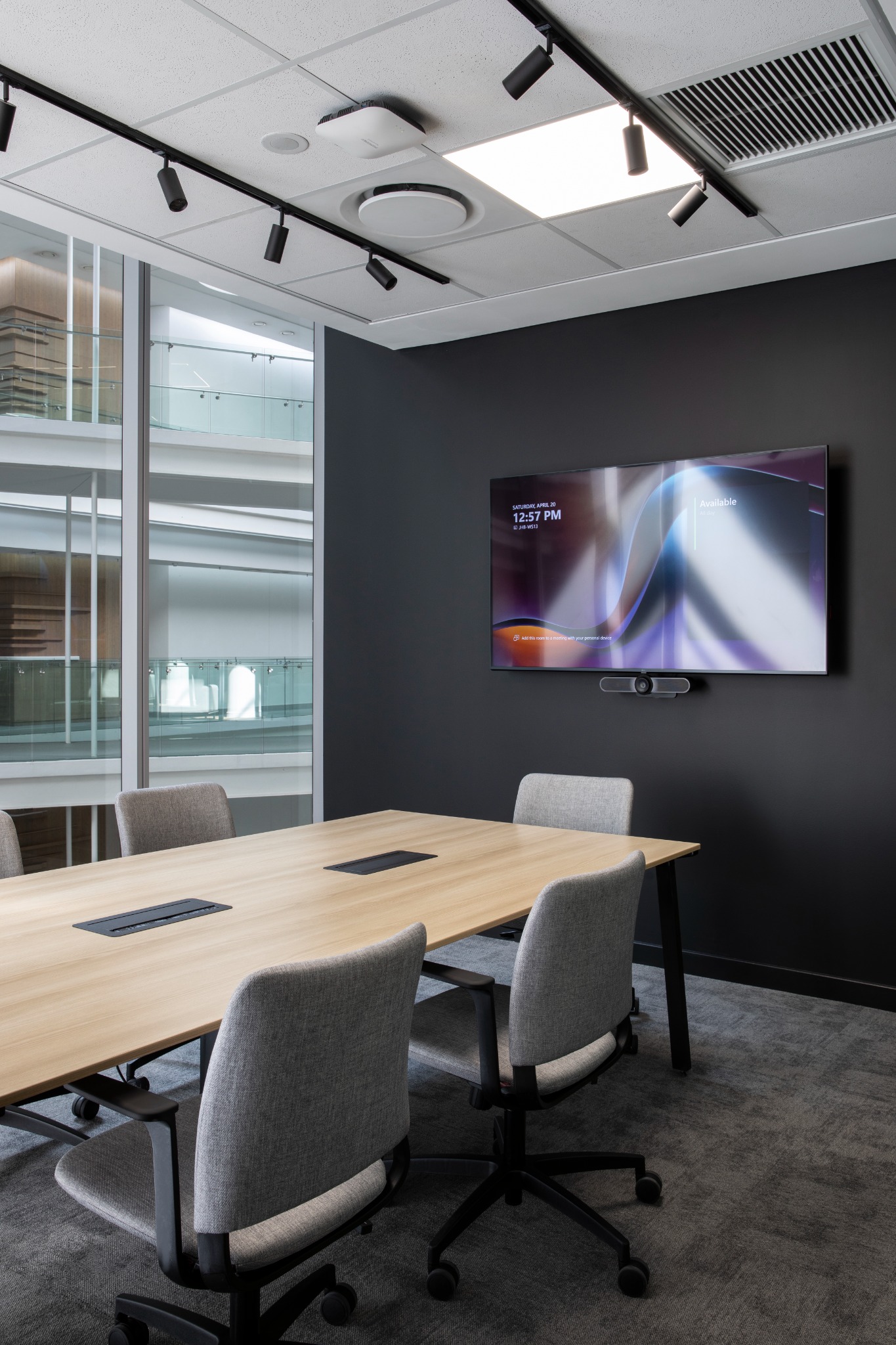
Trend Group has already delivered a range of technology-enabled workplaces across sectors including telecommunications, enterprise software, automation, and finance. These clients have incorporated smart meeting technologies, integrated AV infrastructure, plug-and-play workstations, and digitally connected collaboration environments designed to support agile and hybrid ways of working.
While technology enables smarter workplaces, the ultimate goal remains human experience. AI-driven systems and connected workplace technologies are helping businesses create more responsive and adaptable environments that support comfort, collaboration, and productivity throughout the working day.
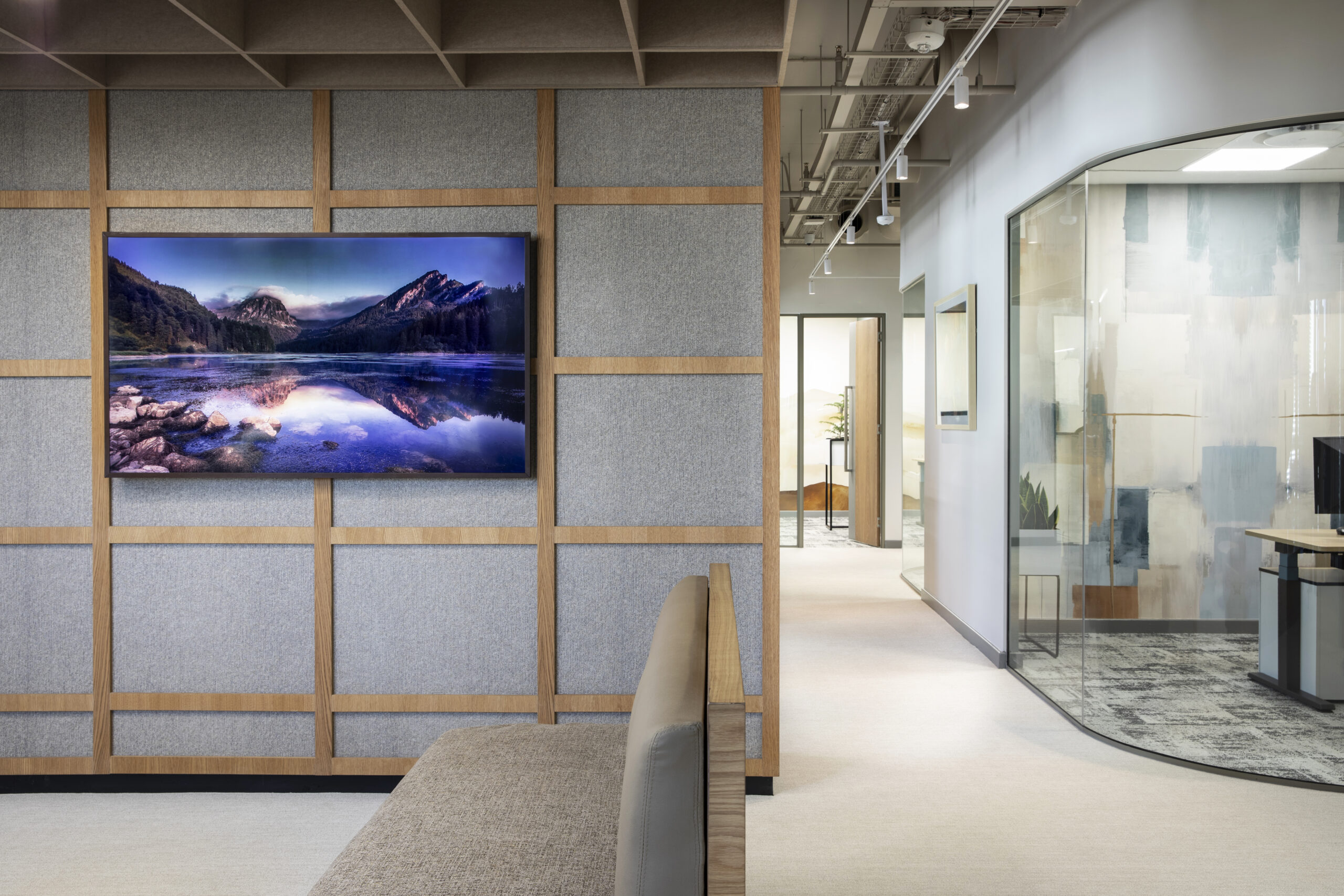
Ergonomic furniture, flexible work zones, integrated communication tools, and biophilic design elements are all contributing to healthier and more engaging workplaces. Gensler’s findings align closely with this, highlighting that workplaces designed to support a variety of activities, from focused work to collaboration and social interaction, create stronger connections between employees and their organisations.
Best-practice examples
Following more than two decades in the same premises, BASF South Africa relocated to Waterfall, Midrand, reimagining its workplace to align with evolving hybrid practices and its global corporate values. Appointed to deliver the design and build of the new 1 000 m2 office, Trend Group translated this shift into a contemporary, adaptable environment that supports collaboration, focus and employee wellbeing.
For the Boston Consulting Group (BCG), a global management consulting leader, Trend Group partnered with HK Studio to design a one-of-a-kind office in Rosebank’s Oxford Parks. The design narrative is inspired by Johannesburg’s vibrant spirit, blending a global brand identity with local artistry. The office is designed for the future of work, with a focus on flexibility and a curated employee experience.
Hybrid work is now firmly embedded in the modern employment landscape, and office design must reflect this reality. Smart technologies enable seamless transitions between in-office and remote work, with features such as automated desk booking, integrated collaboration platforms, visitor management systems, and adaptable meeting environments.
Flexible, reconfigurable spaces
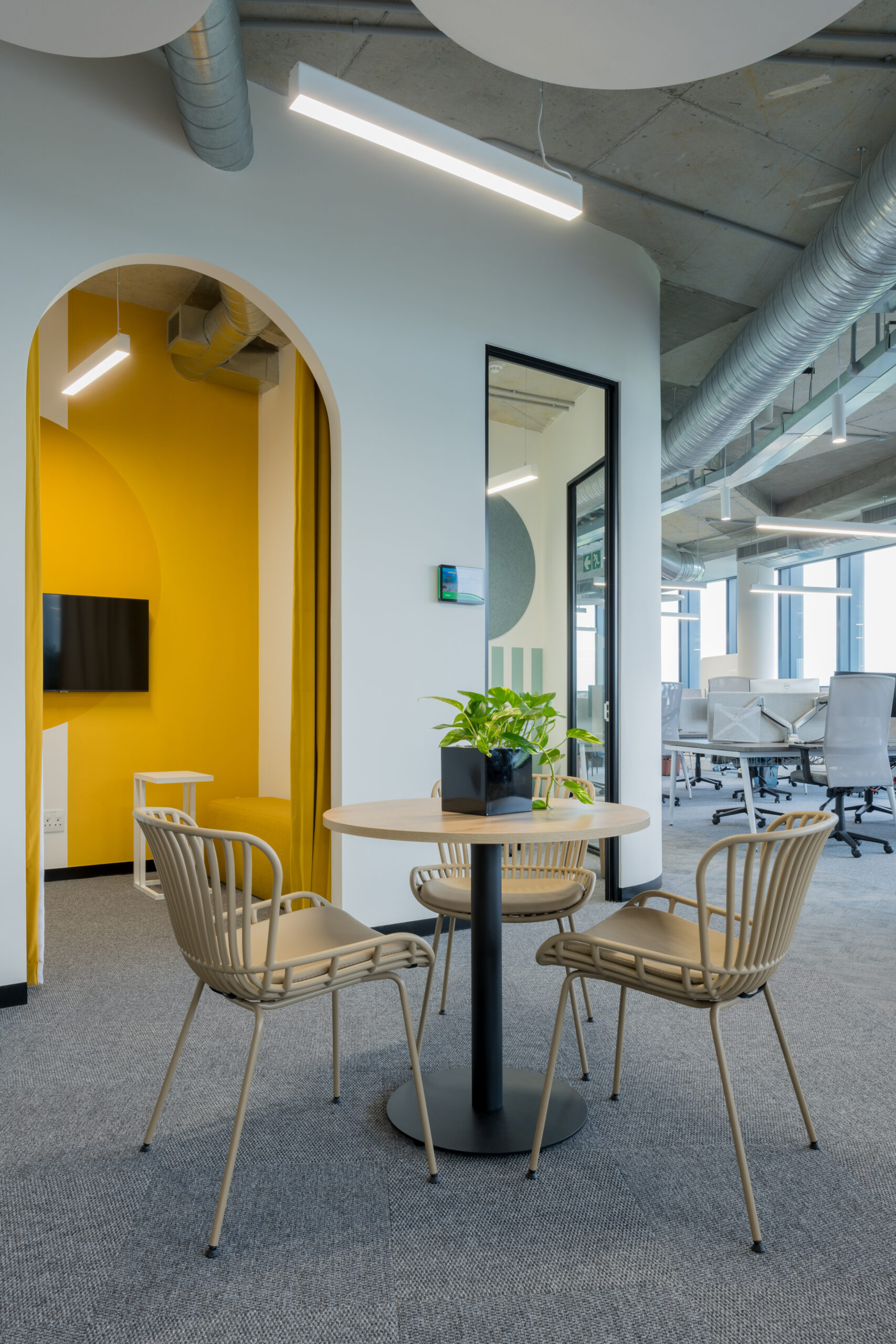
Rather than fixed layouts, organisations are investing in flexible, reconfigurable spaces that can evolve as needs change. This includes everything from quiet focus pods to technology-enabled collaboration zones that support both physical and virtual participation.
In South Africa, where load shedding and infrastructure challenges have accelerated the adoption of flexible work models, the ability to create resilient, adaptable workplaces has become a competitive advantage. Sustainability is no longer a secondary consideration in workplace design.
AI-powered systems allow buildings to respond in real time to occupancy and environmental conditions, reducing unnecessary energy consumption and lowering operational costs. Intelligent lighting, climate control, and energy management systems ensure that resources are used only where and when they are needed.
Smart building technologies reduce energy use
Globally, smart building technologies have been shown to reduce energy use by up to 30%, a figure that aligns with the growing emphasis on green building standards in South Africa, including certifications supported by the Green Building Council South Africa. For organisations, this represents a clear business case: lower costs and reduced environmental impact.
Technology is also reshaping how projects are planned and delivered. Beyond workplace interiors, digital coordination tools, intelligent project planning systems, and data-driven workflows are helping design-and-build specialists improve accuracy, streamline communication, and deliver projects more efficiently from concept through to completion.
This integration of technology into both design and build processes is becoming increasingly important as clients look for turnkey partners capable of delivering connected, future-ready environments with greater speed and precision.
Integration of AI and smart technologies
Despite its many advantages, the integration of AI and smart technologies requires careful consideration. Issues such as data privacy, cybersecurity, and change management must be addressed from the outset. Employees need to understand and trust the systems being introduced, while organisations must ensure compliance with relevant data protection frameworks.
Equally important is recognising that technology should support, not replace, human expertise. The most successful workplace strategies combine data-driven insights with design intuition, ensuring that spaces are not only efficient but also meaningful and engaging.
As technology continues to evolve, the workplace will become increasingly adaptive, responsive, and personalised. Offices will no longer be static environments but living systems that learn, adjust, and improve over time. However, the core principle remains unchanged: successful workplaces are those that put people first. Technology is at its most powerful when it enhances human experience, enabling creativity, supporting wellbeing, and fostering connection.
Partner with Trend Group to transform your workspace
Technology is rewriting the rules for office design and fit-out. The best workplaces are no longer just places to sit and work but are interactive, evolving environments that attract talent, strengthen culture, and support long-term business performance. At Trend Group, technology, design, and human experience come together to create workspaces that are flexible, future-ready, and built around the needs of modern organisations.
As workplace expectations continue to evolve, technology-enabled environments are set to play an increasingly important role in how organisations attract talent, support collaboration, and improve operational efficiency. For companies looking to future-proof their workplaces, the integration of smart technology, flexible design, and human-centred thinking is rapidly becoming a business imperative.
Ends
About Trend Group
Trend Group specialises in office interior design and refurbishments in the commercial, industrial and retail sectors. We are a comprehensive, solutions-driven company that operates on a turnkey basis. We offer a streamlined approach to design, procurement, and construction delivery, covering all aspects of the project solution. We are a proud Level 1 B-BBEE accredited company.
Trend Group Contact
Rachel Briant
Marketing Content Manager
Cell: 084 639 4304
Email: rachelb@trendgroup.co.za
Web: www.trendgroup.co.za
Media Contact
Andile Mbethe
Account Executive
NGAGE Public Relations
Phone: (011) 867-7763
Cell: 073 565 6536
Email: andile@ngage.co.za
Web: www.ngage.co.za
Browse the NGAGE Media Zone for more client news articles and photographs at http://media.ngage.co.za
-
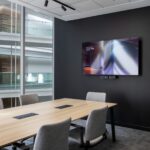
Connected-workplace-technologies-are-creating-smarter-more-adaptable-office-environments-1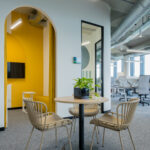
Flexible-workplace-zones-are-reshaping-how-employees-connect-collaborate-and-work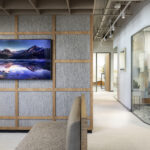
Human-centred-workplace-design-combines-technology-and-comfort-to-create-smarter-office-environments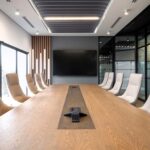
Modern-boardrooms-integrate-technology-and-design-to-support-hybrid-work-and-collaboration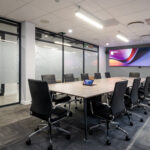
Smart-meeting-technology-is-helping-organisations-create-more-agile-and-connected-workspaces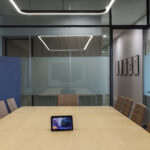
Technology-enabled-meeting-spaces-support-seamless-collaboration-in-the-modern-workplace - How-technology-is-reshaping-the-modern-office-for-a-smarter-future_approved
How-technology-is-reshaping-the-modern-office-for-a-smarter-future_approved