The high cost of corrosion in construction
25 September 2025: The building and construction industry forms the backbone of South African engineering and infrastructure growth as also in Africa. It creates rail networks and enables the infrastructure that underpins our South African mining and economic activity. Yet, beneath the surface, a relentless enemy threatens this foundation, namely corrosion.
Often invisible until the damage becomes severe, corrosion is a silent destroyer of steel, compromising safety, durability, and economic sustainability. Fortunately, zinc has emerged as a powerful guardian against this destructive force.
Steel is prized in construction for its strength, versatility, and cost-effectiveness, making it the skeletal framework of countless buildings, bridges, and infrastructure projects. However, its vulnerability to corrosion presents a significant challenge.
Structural Integrity
When exposed to moisture, chlorides and oxygen, steel undergoes an electrochemical reaction that transforms it into rust. This process may appear gradual, but the consequences are severe. Corrosion weakens structural integrity, reducing the load bearing capacity of beams, columns, and other critical elements. Left unchecked, this can cause cracks, deformations, or even catastrophic failures.
The risks extend beyond engineering concerns. Corroded steel introduces safety hazards, where weakened components may fail under stress, endangering occupants and infrastructure users alike. The economic toll is equally significant, with constant maintenance, rust removal, and component replacement pushing up lifecycle costs. Corrosion also reduces the lifespan of steel structures, leading to premature demolitions and reconstructions that divert resources from new projects.
Simon Norton, Director, International Zinc Association (IZA) Africa, explains: “The true cost of corrosion is not only measured in capital expenditure, but also in the disruptions it causes to economies and the environment. Every time a bridge is closed for repairs or a building needs expensive renovation, the ripple effects extend far beyond the structure itself.”
How Zinc Protects Steel
To understand how zinc protects steel, it is essential to grasp why steel corrodes in the first place. Steel, an alloy of iron and carbon plus key trace elements, reacts with oxygen and water through an electrochemical process. Iron oxidises, to combine with oxygen to form iron oxides, commonly known as rust. Both moisture and oxygen are necessary for this process, which is why humid, coastal, or polluted environments accelerate corrosion dramatically.
The solution lies in zinc, a more reactive element than iron, which acts as a sacrificial protector. When paired with steel through hot dip galvanizing or zinc thermal spray, zinc corrodes preferentially, forming a zinc oxide, hydroxide, carbonate layer that shields the underlying steel surface. This zinc coating serves as both a barrier and a cathodic protector. Essentially, zinc takes on the corrosion burden, sparing the steel beneath.
“Zinc is nature’s way of extending steel’s life,” highlights Norton. “It does not just cover the steel; it actively protects it, even when the surface is scratched or exposed. That is what makes zinc unique as a long-term solution.”
Indispensable in Construction
Zinc’s versatility makes it indispensable across the construction industry. Hot dip galvanizing, where steel is immersed in molten zinc, creates a durable coating metallurgically bonded to the steel surface. This method is widely used for roof sheeting, structural steel and piping, offering decades of reliable protection.
Where galvanizing is not feasible, zinc rich paints provide an effective alternative. Containing a high concentration of zinc particles or flakes, these coatings create an electrochemically active barrier ideal for repairs, touch-ups, or complex geometries.
Another option is zinc thermal spraying, in which molten zinc particles are sprayed onto prepared steel surfaces, producing a coating of 100 µm or more, especially suited for harsh or marine environments. The choice of zinc-based protection depends on application, location and ease of use.
Cost-Effective Solution
Hot dip galvanizing is typically the most cost-effective solution for new steel structures, while zinc rich paints and Zn thermal spray are advantageous for existing infrastructure in highly exposed conditions. Beyond technical performance, zinc coatings also contribute to sustainability by extending the service life of steel, reducing waste, and minimizing the environmental impact of reconstruction.
“Every project is unique, and choosing the right zinc-based solution requires balancing performance, cost, and environment. However, what remains constant is zinc’s ability to safeguard steel and, by extension, the future of our built environment,” stresses Norton. “Corrosion may be the silent destroyer of steel, but zinc stands as a proven and reliable guardian.”
By protecting structural integrity, reducing maintenance costs, and extending service life, zinc ensures that steel can continue to support South Africa’s most critical infrastructure. “As the building and construction industry in South Africa faces growing demands for sustainability and resilience, zinc’s role as steel’s protector has never been more vital,” concludes Norton.
Ends
Connect with the International Zinc Association on social media to receive its latest news.
Facebook: https://bit.ly/3uNP5w7
LinkedIn: https://bit.ly/3uNSAmb
Notes to the Editor
To download hi-res images for this news article, please visit http://media.ngage.co.za and click the International Zinc Association link to view the company’s press office.
About the International Zinc Association (IZA)
The IZA is the only global industry association dedicated exclusively to the interests of zinc and its users. Operating internationally and locally in Africa through the IZA Africa Desk, the IZA helps sustain the long-term global demand for zinc and its markets by promoting such key end uses as corrosion protection for steel and zinc as essential in human health and crop nutrition. IZA’s main programmes are Zinc Use Research, Sustainability & Environment, Technology & Market Development and technical Communications.
In South Africa, the IZA plays a vital role in establishing the basis for the successful growth of the zinc industry by increasing awareness of zinc and its applications and benefits in key sectors and markets.
International Zinc Association Contact
Simon Norton
Director
IZA Africa
Phone: (021) 788 9980
Cell: 082 831 2924
Email: zinc@iafrica.com
Web: www.zinc.org
Media Contact
Andile Mbethe
Account Executive
NGAGE Public Relations
Phone: (011) 867-7763
Cell: 073 565 6536
Email: andile@ngage.co.za
Web: www.ngage.co.za
-
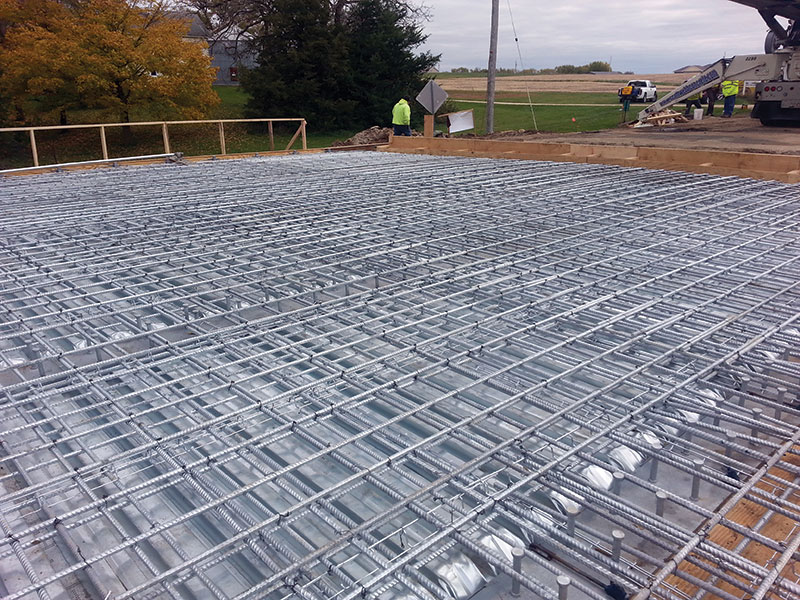
u27-Galvanized-rebar-in-place-before-the-concrete-pour
Galvanized rebar in place before the concrete pour
u27-Simon-Norton-Director-of-the-International-Zinc-Association-IZA-Africa-1
Simon Norton, Director of the International Zinc Association (IZA) Africa - u27-The-high-cost-of-corrosion-in-construction_approved
u27-The-high-cost-of-corrosion-in-construction_approved
The high cost of corrosion in construction_approved