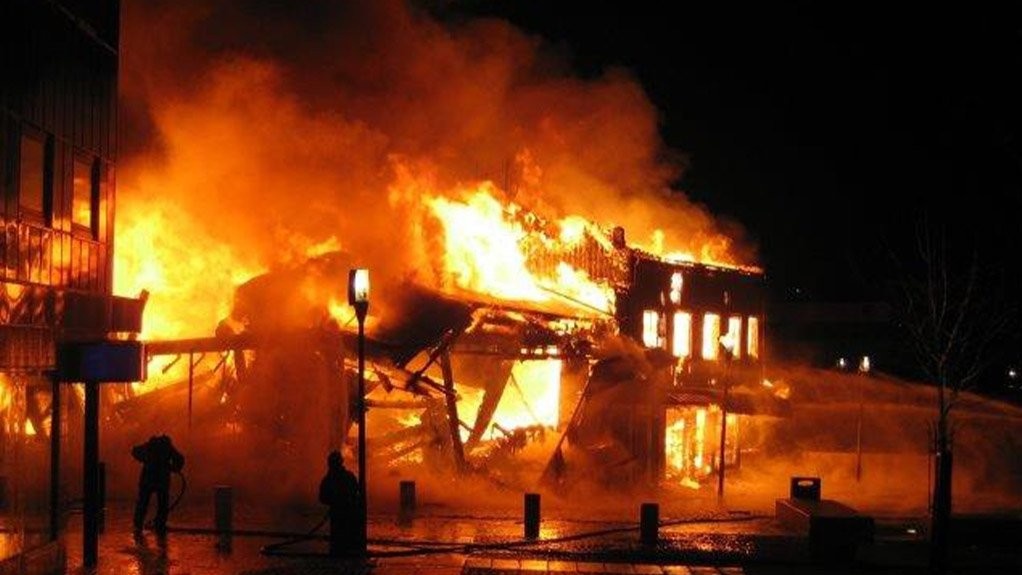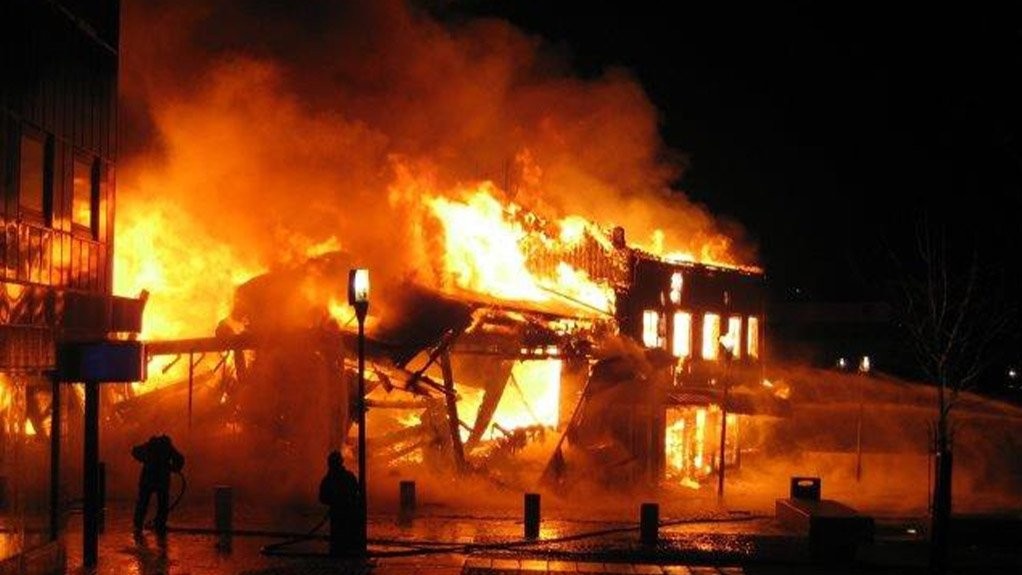
As a new academic year approaches, leading fire engineering consultancy ASP Fire is emphasising the importance of robust and compliant fire safety measures in student accommodation across South Africa. With large numbers of young people living in shared residences, the proper design, installation, and ongoing maintenance of fire detection systems, evacuation planning, and regular system servicing are essential to protect lives and ensure compliance with legal standards.
Fire safety in South African buildings is governed by a comprehensive regulatory framework. At its core, the National Building Regulations and Building Standards Act (No. 103 of 1977) mandates that structures meet essential safety requirements, including provisions for fire protection.
The South African National Standards (SANS) provide the technical details needed for compliance, with SANS 10400-T outlining fire protection requirements and SANS 10139 offering guidance on the planning, design, installation and maintenance of fire detection and alarm systems. These standards reflect national expectations for fire safety design and ongoing performance.
Student accommodation presents unique challenges
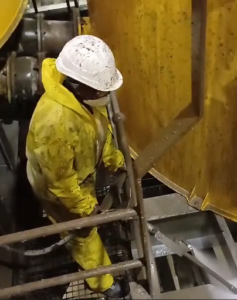
“Student accommodation presents unique challenges,” highlights Michael van Niekerk, CEO of ASP Fire. “When hundreds of students share facilities, kitchen areas and common spaces, the risks are amplified. Compliant fire detection systems and clearly understood evacuation plans are not optional extras. They are fundamental to ensuring that students, faculty, and support staff can live and work in environments that actively protect their safety.”
In addition to detection and alarms, South African standards require that fire safety systems, including extinguishers, passive fire protection measures such as doors and fire-resistant structures, and escape routes, be regularly inspected, tested, and maintained by competent, certified professionals. This ensures that alarm systems perform when needed and that escape routes remain unobstructed and effective throughout the building’s lifetime.
International experience reinforces this holistic approach. Studies and fire safety guides from the UK and other jurisdictions highlight that shared student accommodation environments carry a significantly higher risk profile, with fire incidents often linked to cooking and electrical hazards, and that early detection combined with frequent evacuation drills can substantially reduce loss and injury. Research suggests that the likelihood of fire in shared residential settings can be notably higher than in single-occupancy homes, emphasising the importance of comprehensive fire safety planning.
South African fire safety standards stand strong
“South African fire safety standards stand strong, but best practice is not static,” adds van Niekerk. “We advocate learning from successful international strategies, such as rigorous fire risk assessments, regular drills, clear evacuation signage, and continuous resident education, while maintaining strict compliance with our national SANS codes.”
Evacuation planning plays a vital role in ensuring occupant safety. Effective plans should be current, clearly communicated, and practised through regular drills, so that in the event of a fire alarm all residents know exactly how to respond. Equally important is the role of maintenance: fire detectors and alarm panels must be serviced, fire-fighting equipment inspected, and all life safety systems routinely checked to ensure they perform as designed when every second counts.
“Our approach at ASP Fire is grounded in both regulatory compliance and proactive risk management,” stresses van Niekerk. “Safety is not a tick-box exercise but a a continuous commitment that saves lives, protects assets, and fosters peace of mind for students, families, and educational institutions alike,” he concludes.
REFERENCE
The Ultimate Guide To Fire Safety In Student Accommodation
Ends
Connect with ASP Fire on Social Media to receive the company’s latest news
LinkedIn: https://www.linkedin.com/company/asp-fire-pty-ltd/
Notes to the Editor
To download hi-res images for this release, please visit http://media.ngage.co.za and click the ASP Fire link to view the company’s press office.
About ASP Fire
ASP Fire operates across the entire African continent from its Gauteng base, providing professional, accredited fire risk management and support to its clients. ASP Fire designs, installs, and maintains a full range of fire detection and suppression equipment suited to clients’ needs. ASP Fire provides a holistic, proactive, and preventative fire solution based on integrated fire risk assessment, training, and consulting, with the installation and maintenance of fire detection and suppression systems that meet SABS, NFPA, FPASA, and SAQCC standards.
ASP Fire Contact
Michael van Niekerk
ASP Fire
CEO
Phone: +27 (0) 11 452 2169
Cell: +27 (0) 83 779 1701
Fax: +27 (0) 86 505 1030
Email: michael@aspfire.co.za
Web: www.aspfire.co.za
Media Contact
Thobile Ndlovu
Senior Account Executive
NGAGE Public Relations
Phone: (011) 867-7763
Cell: 073 574 2931
Email: thobile@ngage.co.za
Web: www.ngage.co.za
Browse the NGAGE Media Zone for more client press releases and photographs at http://media.ngage.co.za
-
ASP-Fire-is-emphasising-the-importance-of-robust-and-compliant-fire-safety-measures-in-student-accommodation-across-South-Africa-1
Michael-van-Niekerk-CEO-of-ASP-Fire
Student-accommodation-is-a-critical-lifeline-in-protecting-students-and-staff
SANS101 - Fire-safety-in-student-accommodation-is-a-critical-lifeline-in-protecting-students-and-staff_approved
Fire-safety-in-student-accommodation-is-a-critical-lifeline-in-protecting-students-and-staff_approved