Artificial intelligence, connected systems and modular technologies are reshaping South African warehousing, enabling businesses to improve efficiency, resilience and customer responsiveness
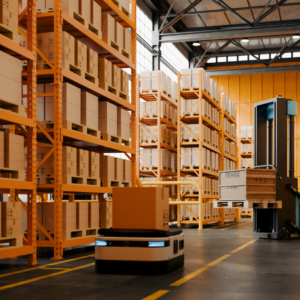
10 September 2026: The modern warehouse is undergoing a profound transformation. Once viewed primarily as a storage facility, today’s distribution centre has become a highly connected fulfilment hub where people, processes and technology work together to deliver greater speed, accuracy and customer responsiveness.
Driven by the rapid growth of e-commerce, changing consumer expectations and advances in automation, artificial intelligence (AI) and digital connectivity, warehouses are evolving into intelligent ecosystems designed to optimise every stage of material flow. For South African businesses, this evolution presents significant opportunities to improve operational efficiency while building greater resilience in increasingly competitive markets.
From storage to flow efficiency
One of the biggest changes taking place in modern warehousing is a shift in focus from storage capacity to operational flow. “Warehouses are no longer simply being viewed as storage facilities,” explains Gavin Hall, Managing Director of Interroll South Africa. “They have become strategic fulfilment centres where everything is interconnected. Success is no longer about how much inventory you can store. It is about how efficiently products move through the entire ecosystem.”
This emphasis on flow efficiency reflects changing customer expectations. Consumers increasingly expect faster order fulfilment, same-day delivery and complete visibility throughout the purchasing journey. Meeting these expectations requires warehouses that can move products quickly, accurately and reliably through every stage of the operation.
For material handling providers, success is measured by three key outcomes. “Everything we do is focused on improving throughput, reducing operating costs and enhancing reliability,” says Hall. “When you get those three elements right, you are creating real value for customers.”
Connected systems driving better decisions
As warehouses become increasingly digital, connected technologies are providing operators with unprecedented visibility into every aspect of their operations. Internet of Things (IoT) devices, sensors and intelligent control systems now generate vast amounts of operational data, allowing businesses to monitor equipment performance, identify bottlenecks and optimise workflows in real time.
However, the challenge is no longer collecting information. It is making sense of it. “Successful organisations are those that can connect everything and then understand what the data is telling them,” says Hall. “Real-time visibility is incredibly valuable, but people cannot interpret thousands of data points every minute. That is where AI is becoming increasingly important.”
Rather than simply generating reports, AI is evolving into a practical decision-support tool capable of analysing operational data and identifying patterns that would otherwise remain hidden. “AI is moving beyond reporting and analytics towards active operational optimisation,” says Hall. “It helps transform complex information into practical decisions that improve performance.”
Predicting problems before they occur
One of the most significant applications of connected technology is predictive maintenance. Instead of relying on fixed maintenance intervals, businesses can increasingly use operational data to determine exactly when equipment requires servicing.
“We can now schedule maintenance based on how customers actually use their systems,” adds Hall. “We know the parcel volumes, operating hours and utilisation levels, allowing maintenance to become much more precise.” This data-driven approach not only improves equipment reliability but also reduces unnecessary maintenance, minimises operational interruptions and extends equipment life.
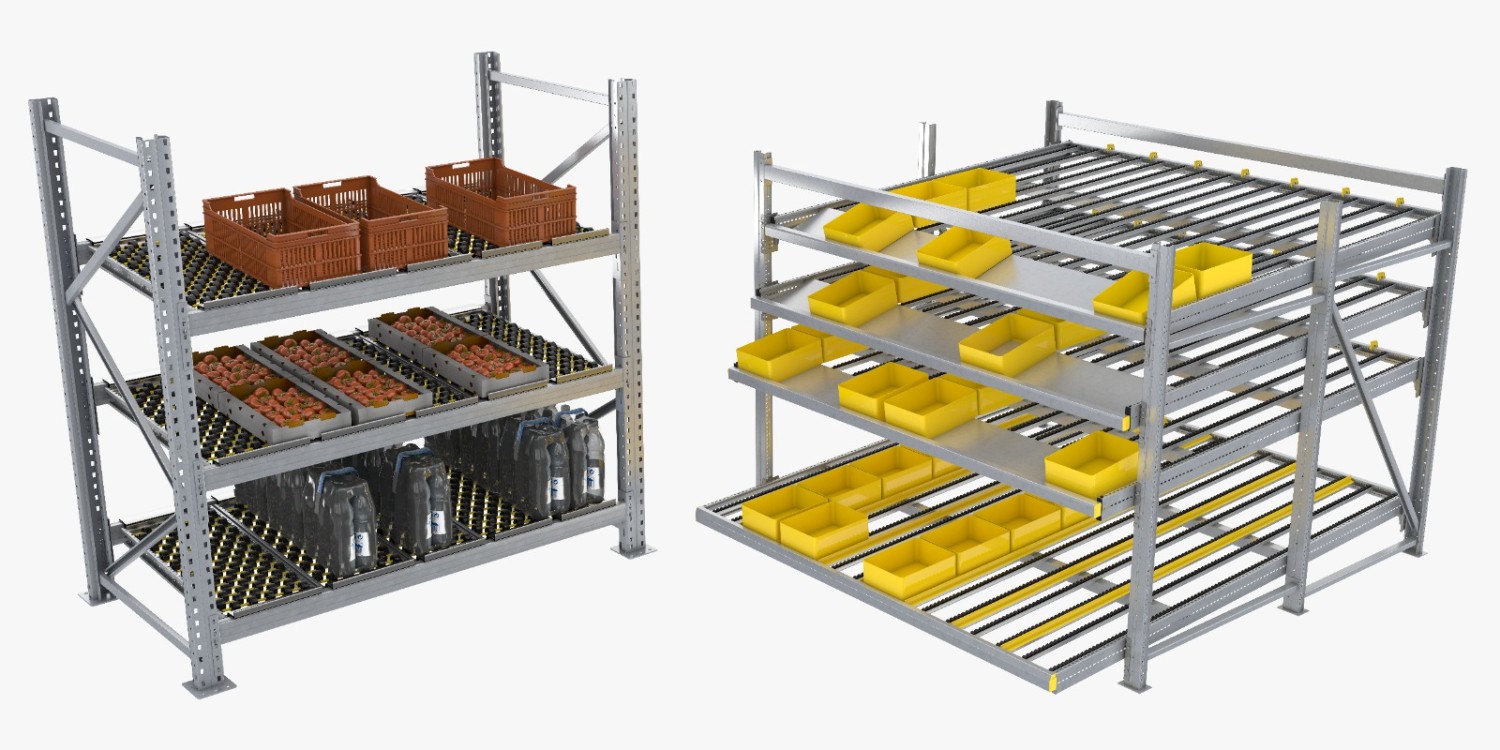
Another defining characteristic of modern material handling systems is modularity. Rather than investing in entirely new infrastructure every time operational requirements change, businesses can build flexible systems that evolve alongside their operations.
Why modularity matters
“Modularity does not simply refer to physical equipment,” says Hall. “It also means modular technology that allows customers to expand, upgrade or reconfigure their operations as their business grows.”
This flexibility is particularly valuable within South Africa’s rapidly changing retail and logistics sectors, where organisations need solutions capable of adapting to changing demand without creating unnecessary capital expenditure.
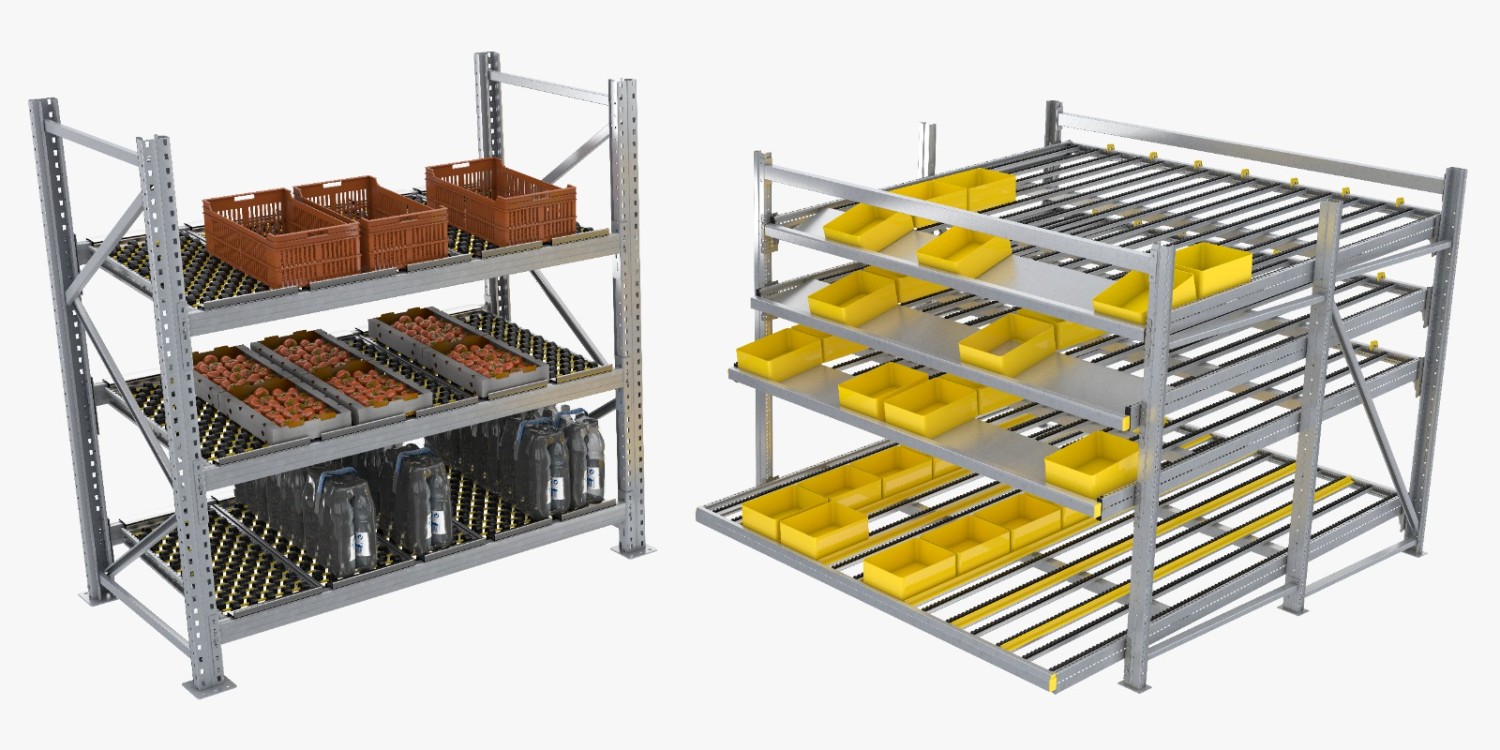
Interroll’s platform-based approach reflects this philosophy, enabling customers to integrate conveying, sorting, storage and picking technologies into scalable material handling ecosystems rather than isolated installations.
A uniquely South African opportunity
Although South Africa faces many of the same logistics challenges as developed markets, Hall believes the country occupies an interesting position globally. “Our customers want same day delivery -type solutions within an African context,” he says. South African businesses continue to demonstrate remarkable innovation, particularly in responding to the rapid expansion of e-commerce and last-mile fulfilment.
Rather than simply adopting overseas solutions, organisations are increasingly adapting global technologies to local operating conditions, balancing advanced automation with practical realities such as infrastructure, maintenance capability and workforce development.
One misconception Hall believes still exists is that automation is designed to replace people. “In South Africa, that is simply not how we should view automation,” he says. “Automation enables employees to focus on higher-value activities while improving operational efficiency and workplace safety.”
Technology supporting people
As warehouses become more sophisticated, employees increasingly require technical skills to operate, monitor and maintain advanced equipment, creating opportunities for workforce development rather than displacement.
The warehouse of the future will not be defined by a single technology. Instead, competitive advantage will come from integrating automation, AI, predictive maintenance, modular design and connected systems into one intelligent operational ecosystem.
Businesses that embrace these technologies will be better positioned to improve throughput, enhance customer service, reduce operating costs and build resilient supply chains capable of adapting to future market demands. As Hall concludes: “It is no longer about individual pieces of equipment. It is about creating an ecosystem where everything works together to keep products flowing efficiently.”
Ends
Notes to the editor
To download hi-res images for this release, please visit http://media.ngage.co.za and click on the Interroll link to view the company’s press office.
About Interroll South Africa
Established in South Africa in 1998, Interroll South Africa is part of the global Interroll Group, a leading provider of material handling solutions for industries including warehousing and distribution, courier, express and parcel, e-commerce, retail, airports, food and beverage, automotive and industrial manufacturing. The South African operation provides locally manufactured conveyor rollers, conveyors, drum motor repairs, lifetime services and access to Interroll’s comprehensive portfolio of platform-based material handling solutions, supporting customers across Southern Africa.
About the Interroll Group
Founded in 1959 and headquartered in Sant’Antonino, Switzerland, the Interroll Group is a global leader in material handling solutions. The company supplies system integrators and equipment manufacturers with platform-based products and services in the product groups of Rollers, Drives, Conveyors & Sorters, Pallet Handling, Controls and Spiral conveyors. Interroll solutions are used by leading brands in express and postal services, e-commerce, airports, food and beverage, fashion, automotive and other industries worldwide. The Group operates a global network of companies and serves customers in more than 100 countries.
Interroll Group Contact
Irina Schatorjé
Marketing Director
Tel: +49 2433 526 1917
Mobile: +49 1511 229 2859
Email: i.schatorje@interroll.com
Website: https://www.interroll.com/
Media Contact
Thobile Ndlovu
Senior Account Executive
NGAGE Public Relations
Telephone: 011 867 7763
Cell: 073 574 2931
Email: thobile@ngage.co.za
Web: www.ngage.co.za
Browse the NGAGE Media Zone for more client press releases and photographs at http://media.ngage.co.za
-
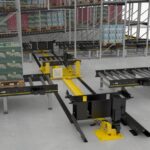
AI, connected systems and modular technologies are reshaping warehousing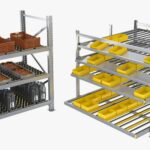
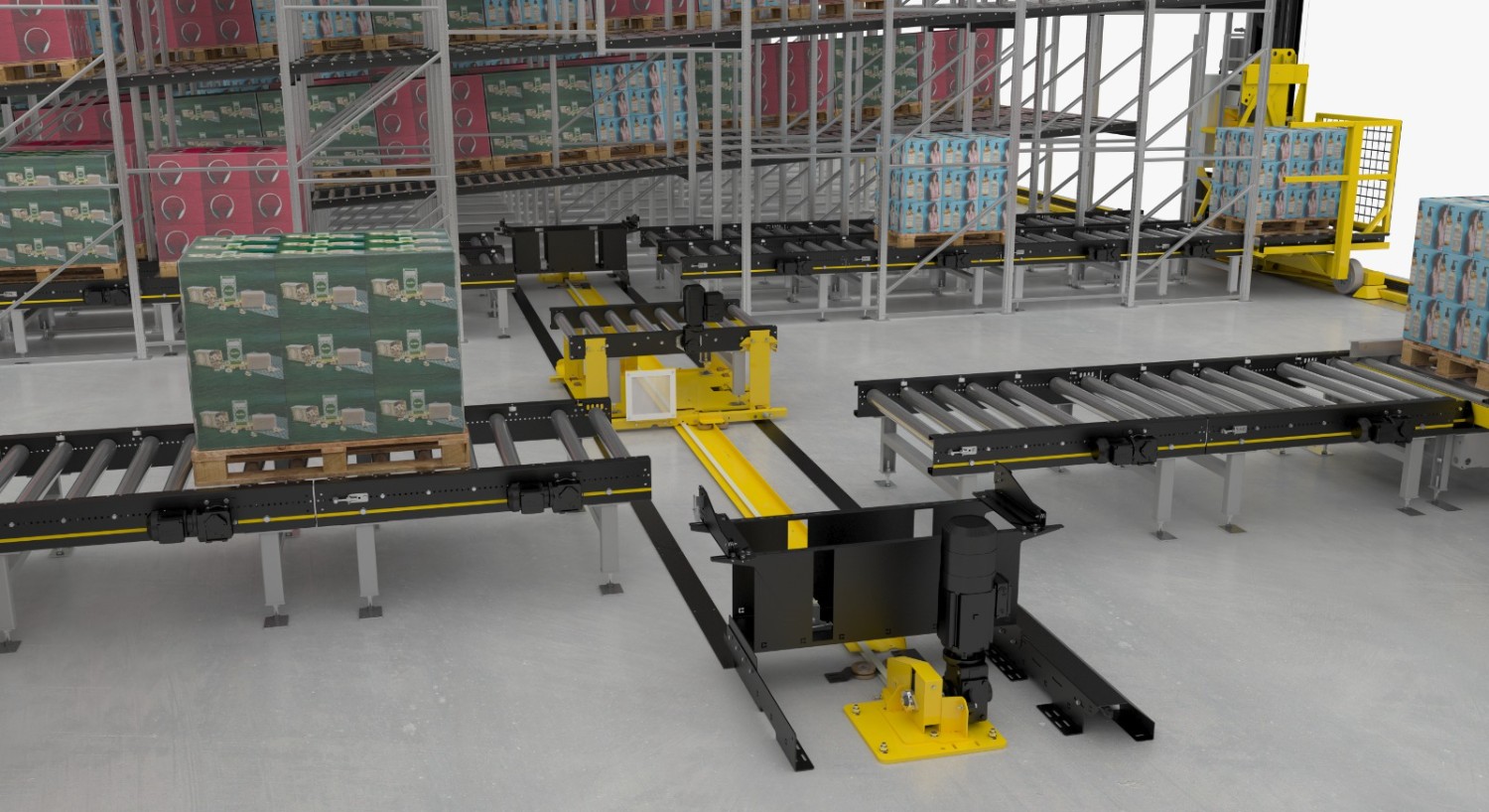
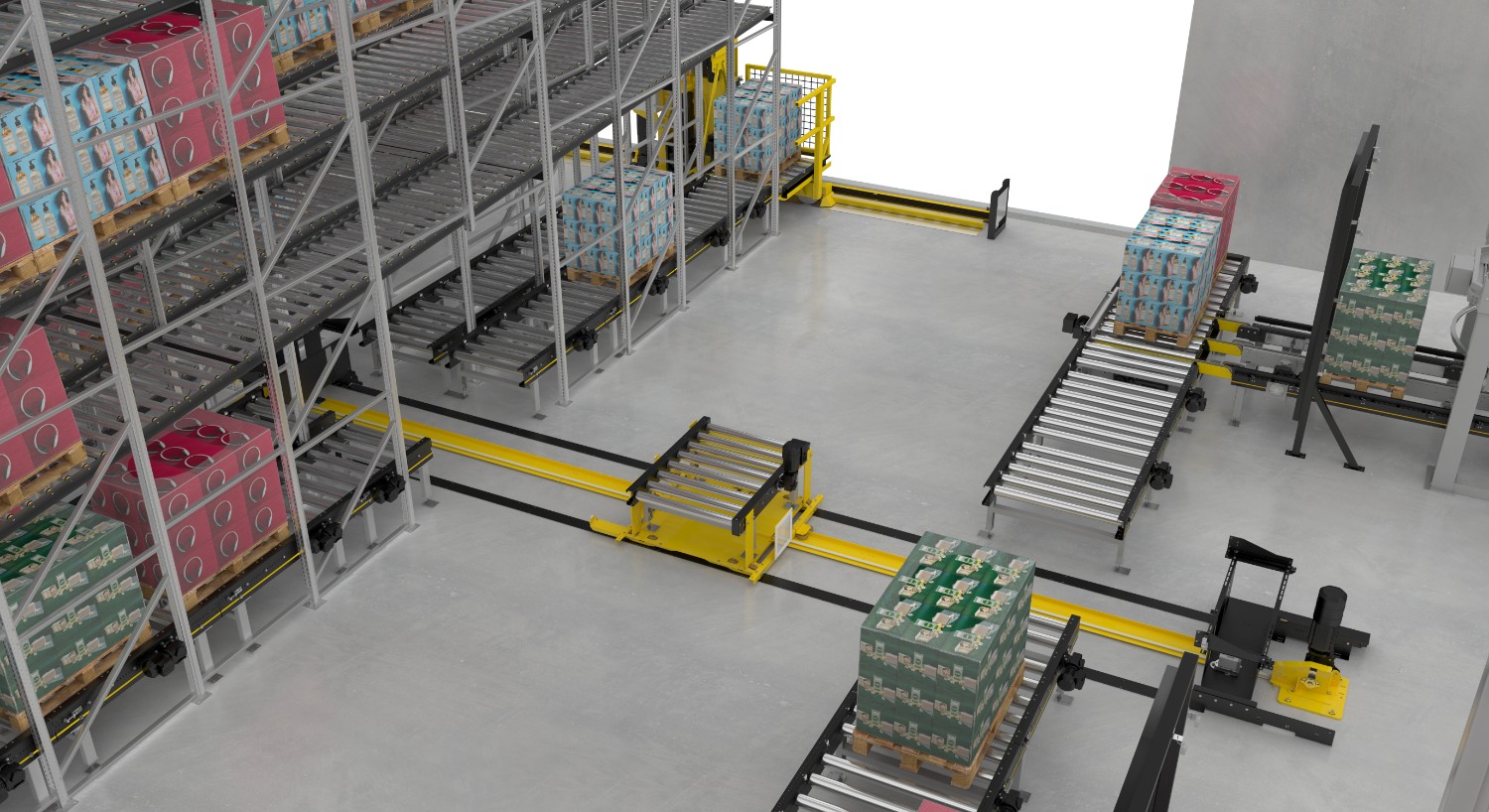
Modern warehousing is seeing a shift from storage capacity to operational flow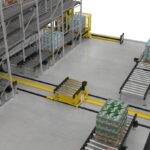
Warehouses are intelligent ecosystems that optimise every stage of material flow
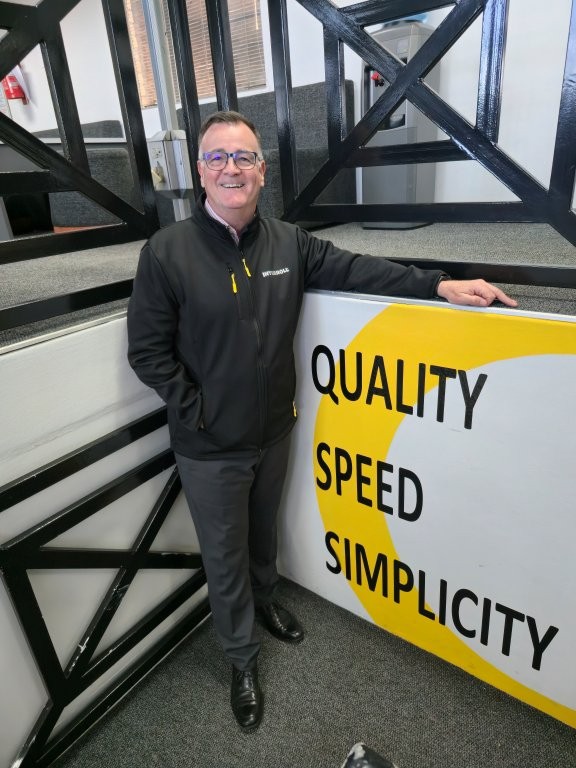
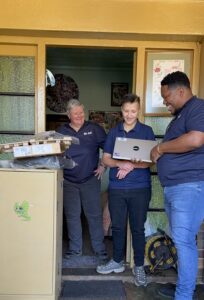
Gavin Hall, Managing Director of Interroll South Africa - Building-smarter-warehouse-ecosystems_approved
Building-smarter-warehouse-ecosystems_approved