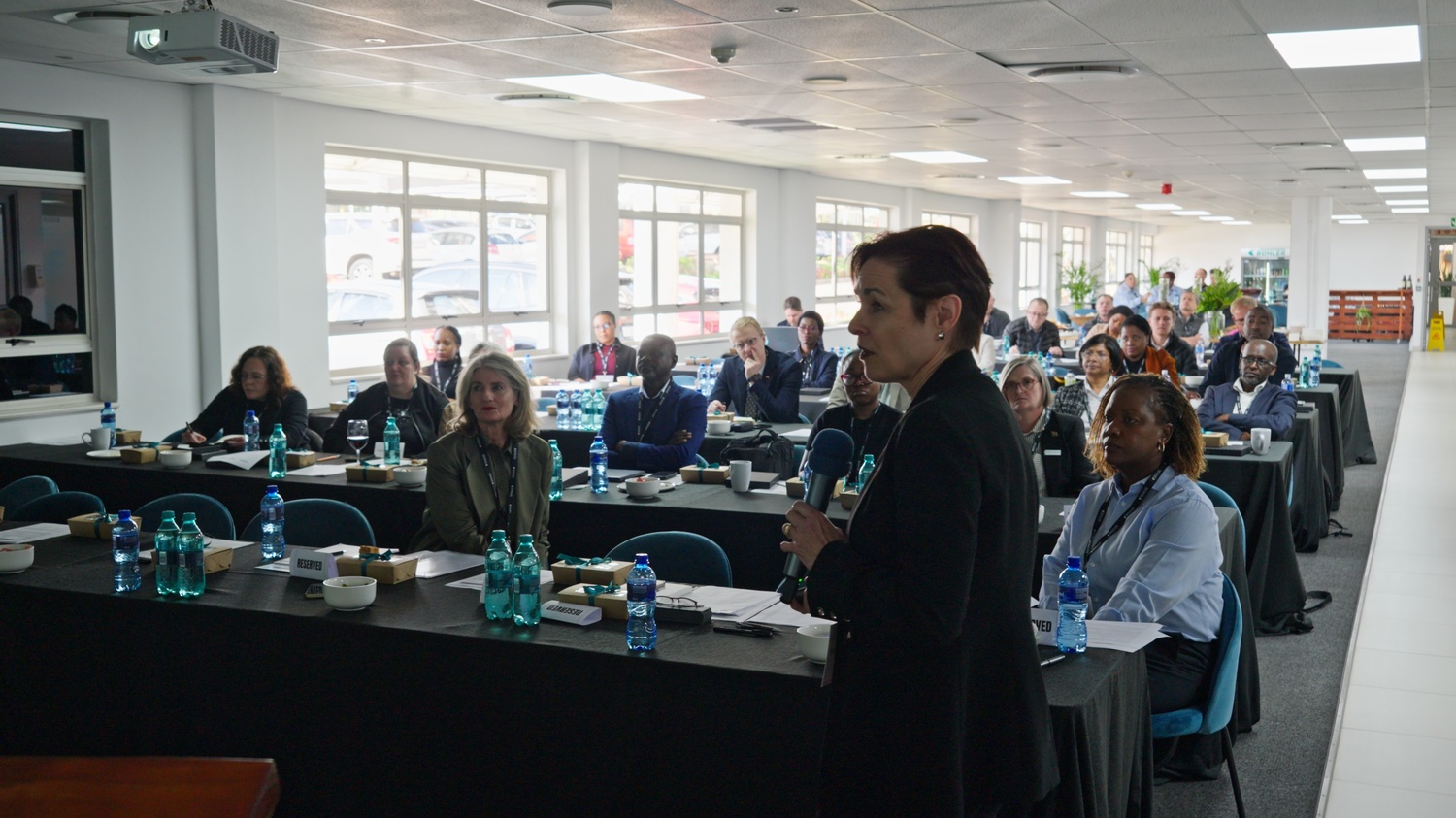
Bühler Southern Africa brought together representatives from industry, government and international organisations on 30 June to explore how quality apprenticeships can help bridge the gap between high youth unemployment and industry demand for skilled technical workers.
The ‘Advancing Value-Chain Quality Apprenticeships in South Africa’ roundtable, held at Bühler’s Johannesburg site, co-hosted by the Global Apprenticeship Network (GAN) and the International Labour Organization (ILO), drew representatives from the Department of Higher Education and Training, the Swiss Embassy, the South African Qualifications Authority (SAQA), and the private sector.
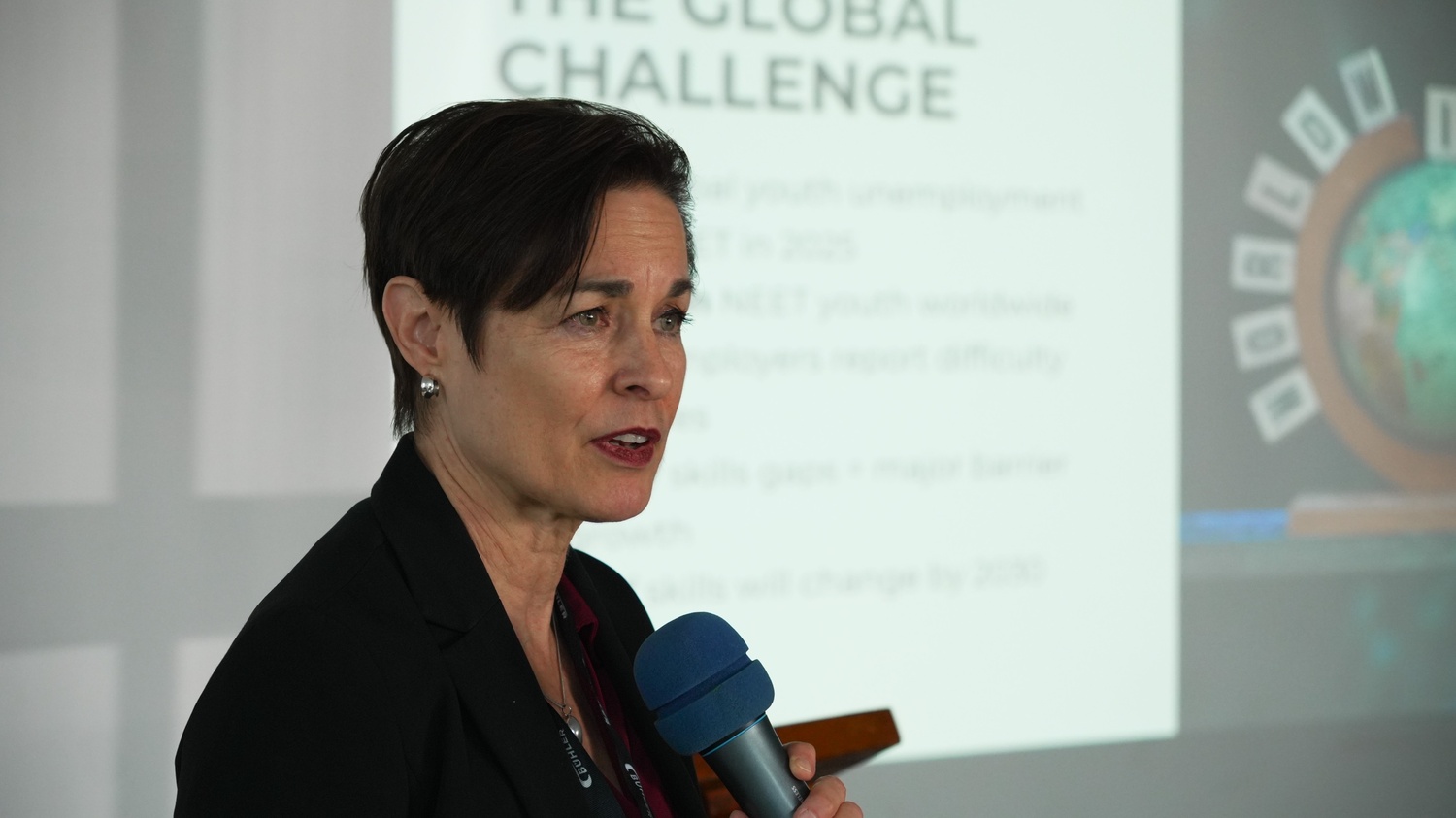
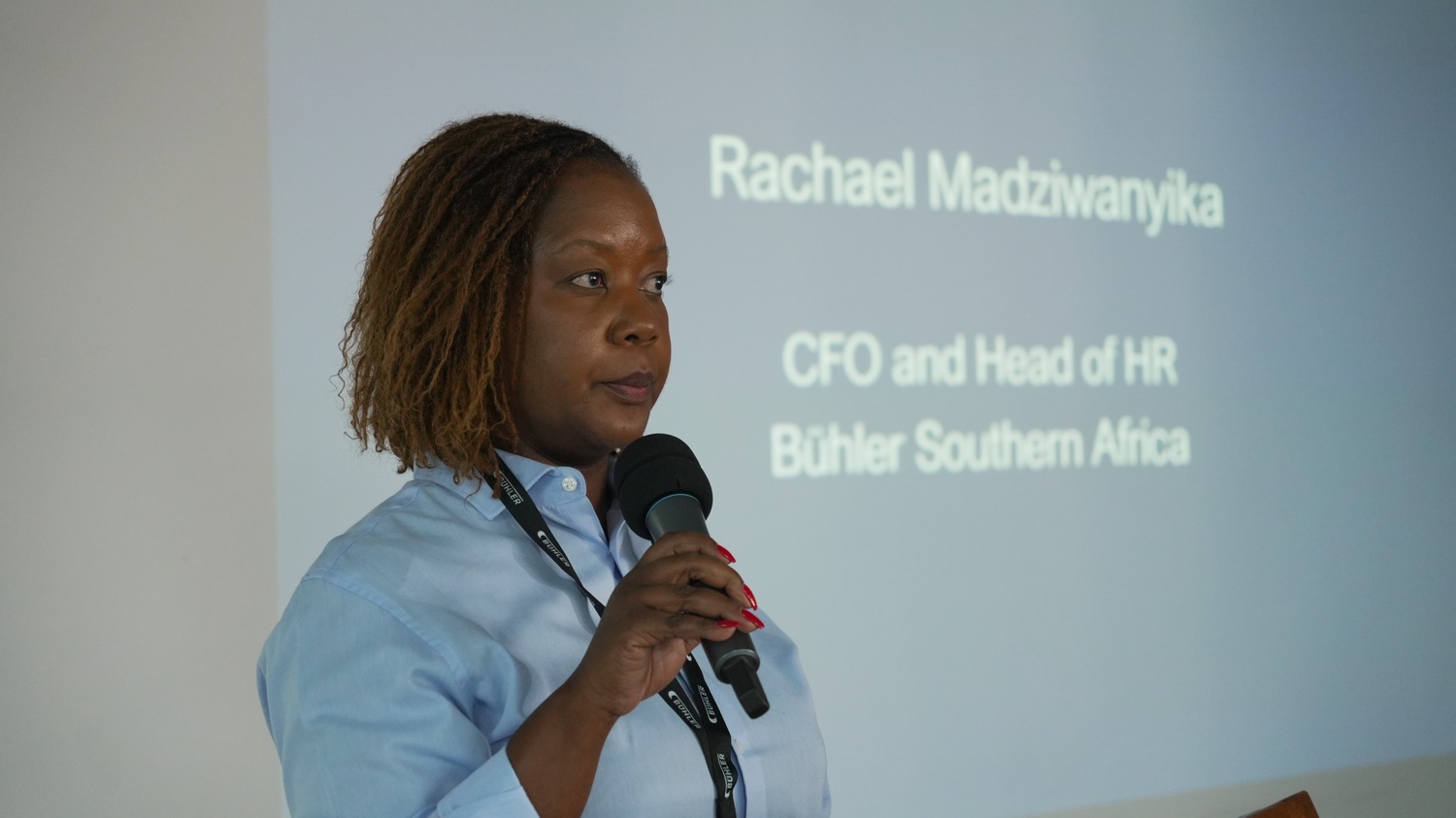
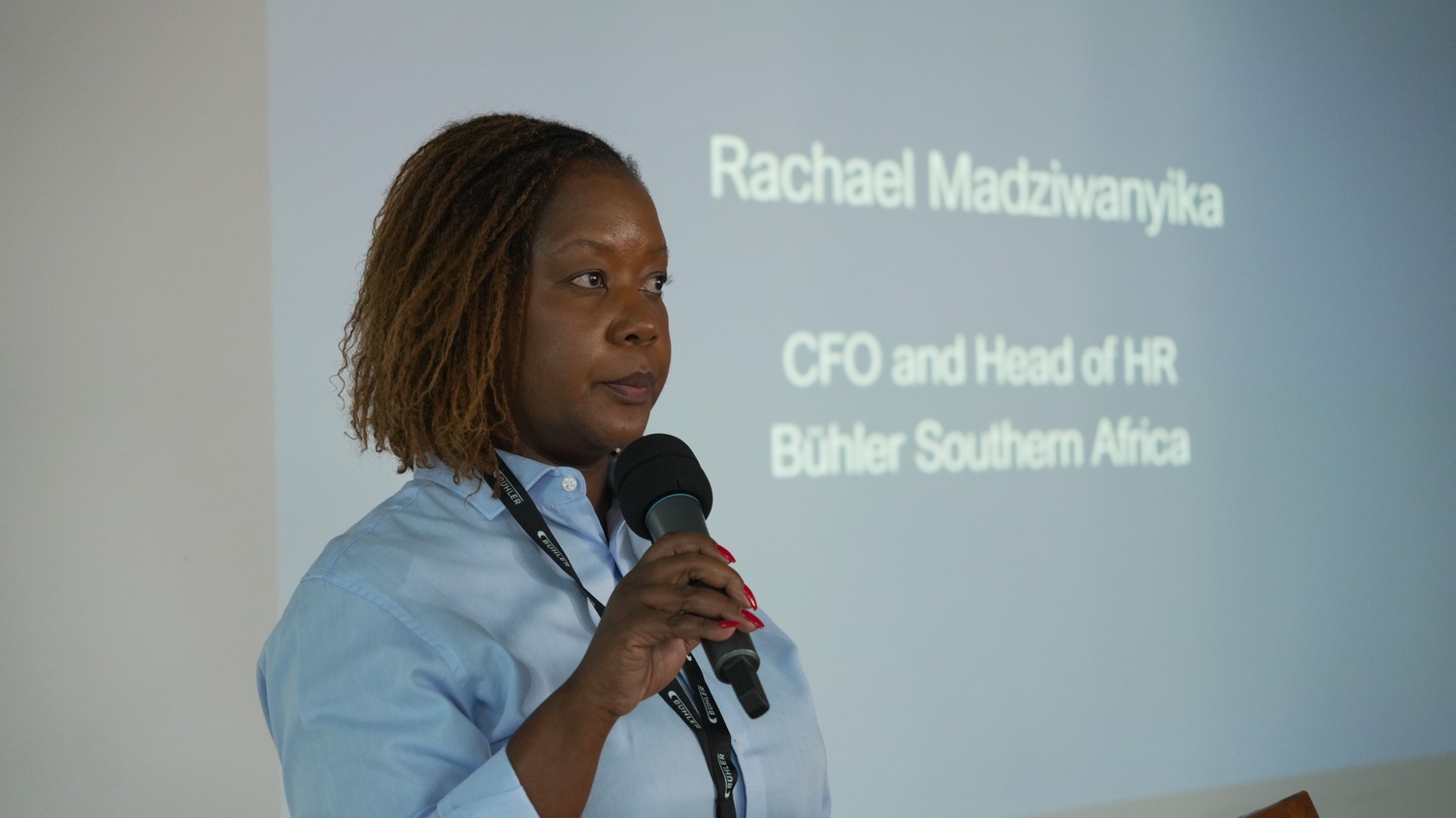
“Building quality apprenticeships requires collaboration across industry, education, and government. No single organisation can do it alone,” said Rachael Madziwanyika, CFO and Head of HR at Bühler Southern Africa.
Why now
The Johannesburg roundtable builds on a state visit in October 2025, when South African President Cyril Ramaphosa toured Bühler’s Uzwil, Switzerland headquarters alongside then Swiss President Karin Keller-Sutter and met apprentices who had trained there.
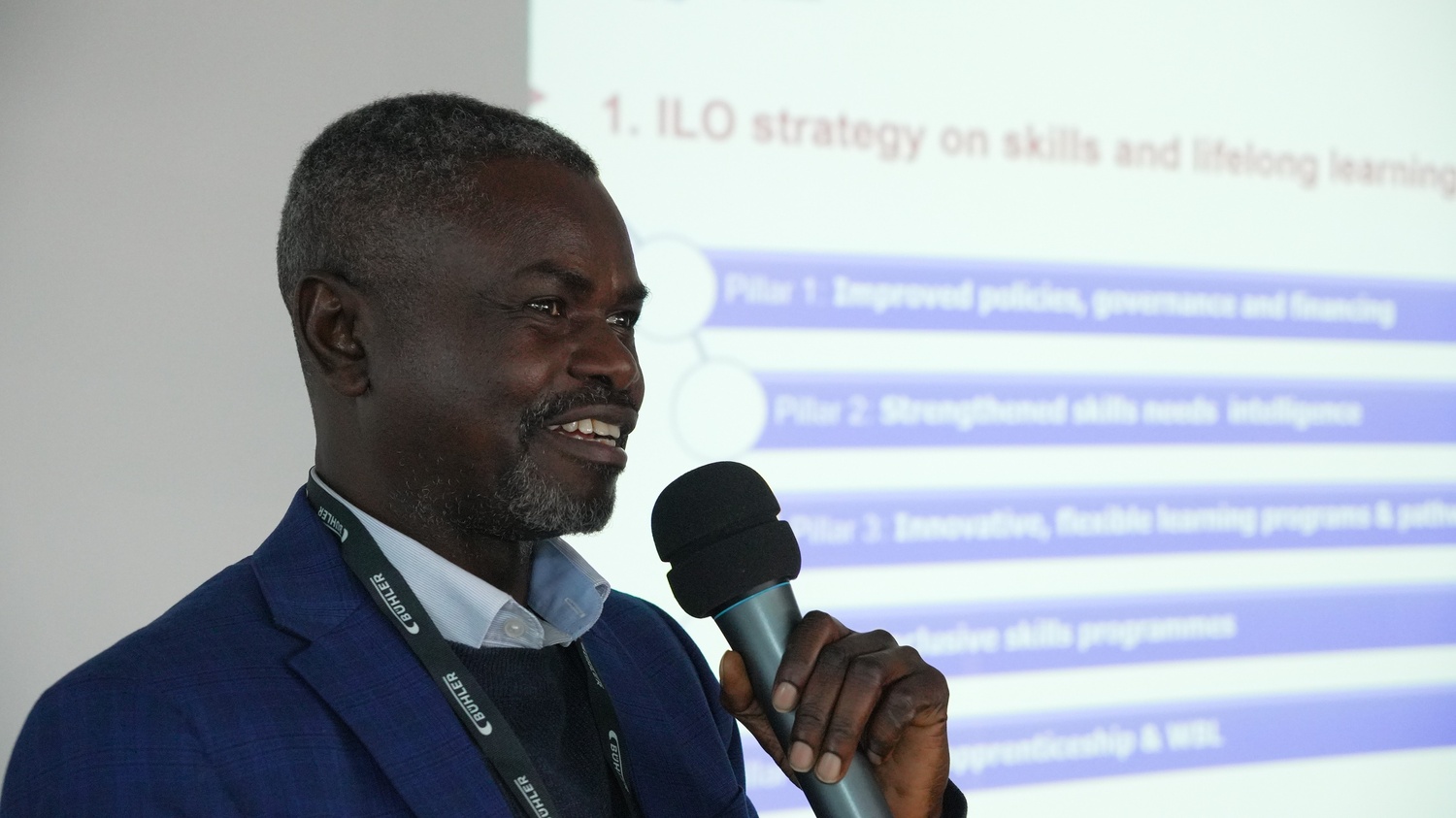
Albert Okal, Skills and Lifelong Learning Specialist at the ILO, pointed to Recommendation number 208 on Quality Apprenticeships, which is the global framework adopted at the international Labour conference in June 2023. The framework covers important pillars such as protection, meaning, legal frameworks, sustainable financing, social dialogue, structured learning, and inclusion aspects as foundation for a successful quality apprenticeship programme.
Skills shortage, youth unemployment are inseparable
South Africa’s youth unemployment rate remains among the highest in the world. Globally, more than one in five young people are NEET (not in education, employment or training). Employers across sectors report growing difficulty finding qualified artisans, technicians, and engineers, a gap experts say will widen as labour markets experience rapid and overlapping changes, including the green transition, digitalisation, and Artificial Intelligence (AI).
Quality apprenticeships offer one of the few proven mechanisms capable of addressing both problems simultaneously by combining structured learning with practical workplace experience. They enable young people to earn and learn at the same time, while helping businesses build a workforce aligned with their operational needs.
“If South Africa is to unlock the potential of its young people and build the workforce needed for current growth, we must move beyond talking about skills development and focus on creating pathways into productive employment,” said Madziwanyika. Okal added: “Quality apprenticeships create structured pathways into decent work.”
Why quality is a defining principle
Throughout the event, one word consistently emerged as the defining principle: quality. Kathryn Rowan, Executive Director of GAN Global, explained that apprenticeships programmes must provide structured learning, meaningful workplace experience, and recognised outcomes for both learners and employers.
“We are seeing skills changing at an extremely rapid pace,” she said. “Whether it is green skills, digitalisation or AI, employers are asking where they are going to find the skills they need for the future” That is precisely where GAN Global comes in. Established in 2014 following B20 and G20 discussions on youth unemployment, GAN Global now connects multinational companies, such as Bühler, national networks in nine countries, and international partners under a shared conviction that employers have a much more active role to play in skills development, not only as recruiters of talent, but as key contributors to how skills are defined, developed, and recognised.
GAN was created just over ten years ago with a clear purpose: to help make quality apprenticeships and work‑based learning a central part of how skills systems function and a powerful tool in combating youth unemployment.
Apprenticeships create value for all
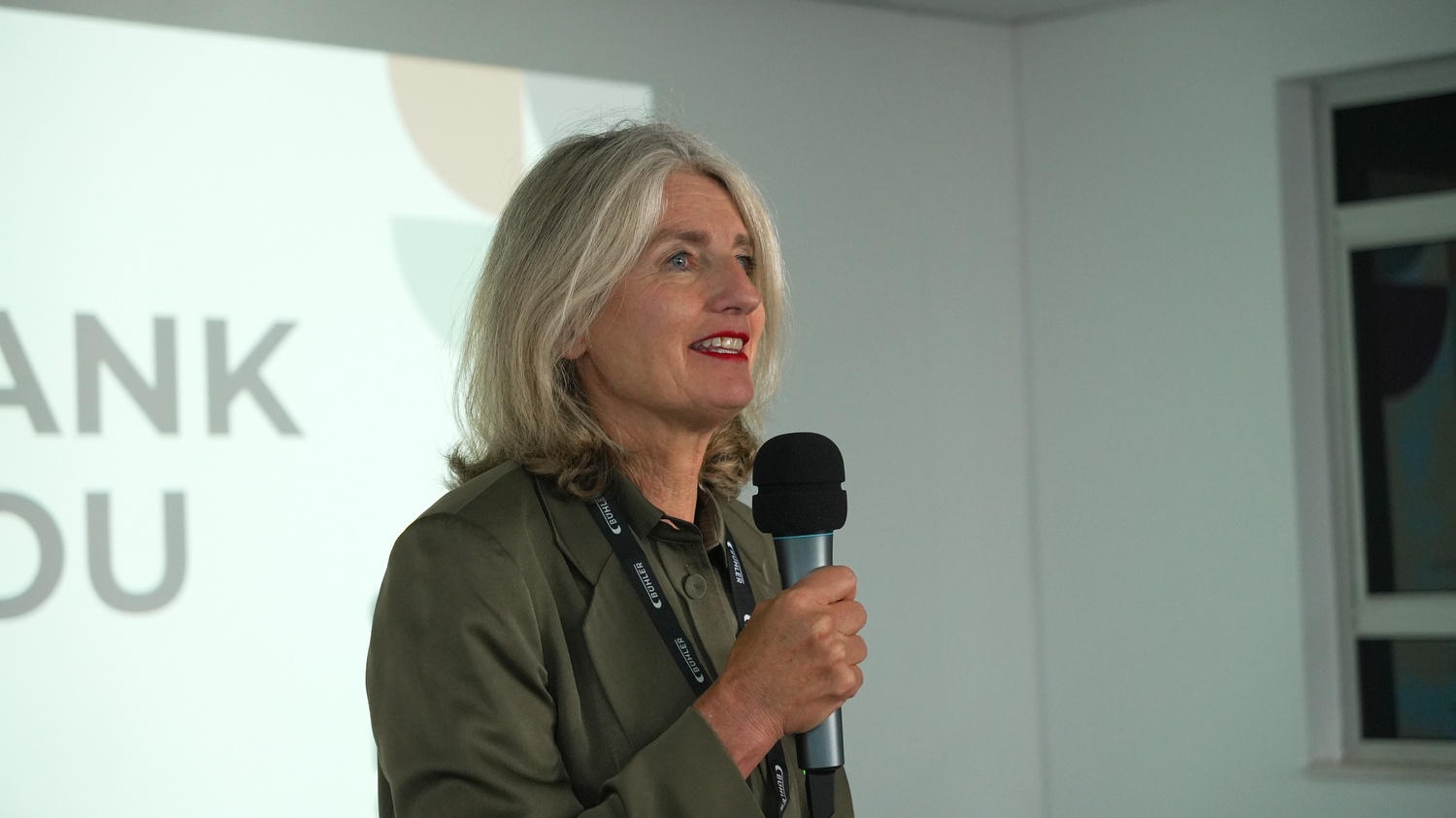
“Apprenticeships are part of Bühler’s DNA. They enable us to develop future talent while creating opportunities for young people to build meaningful careers,” said Irene Mark-Eisenring, Global Chief Human Resources Officer at Bühler Group, adding that the company’s global experience demonstrates the value of the Swiss dual education system, which combines classroom learning with practical workplace experience.
Bühler has run an apprenticeship programme since 1915, making it one of the longest-established vocational training programmes in Swiss industry. The company trained 524 apprentices in 2025 alone, more than 10,500 globally since the programme began, and retains 67% of Swiss apprentices as employees after they complete training. In South Africa, apprentices and learners make up about 10% of the company’s 220-person regional workforce.
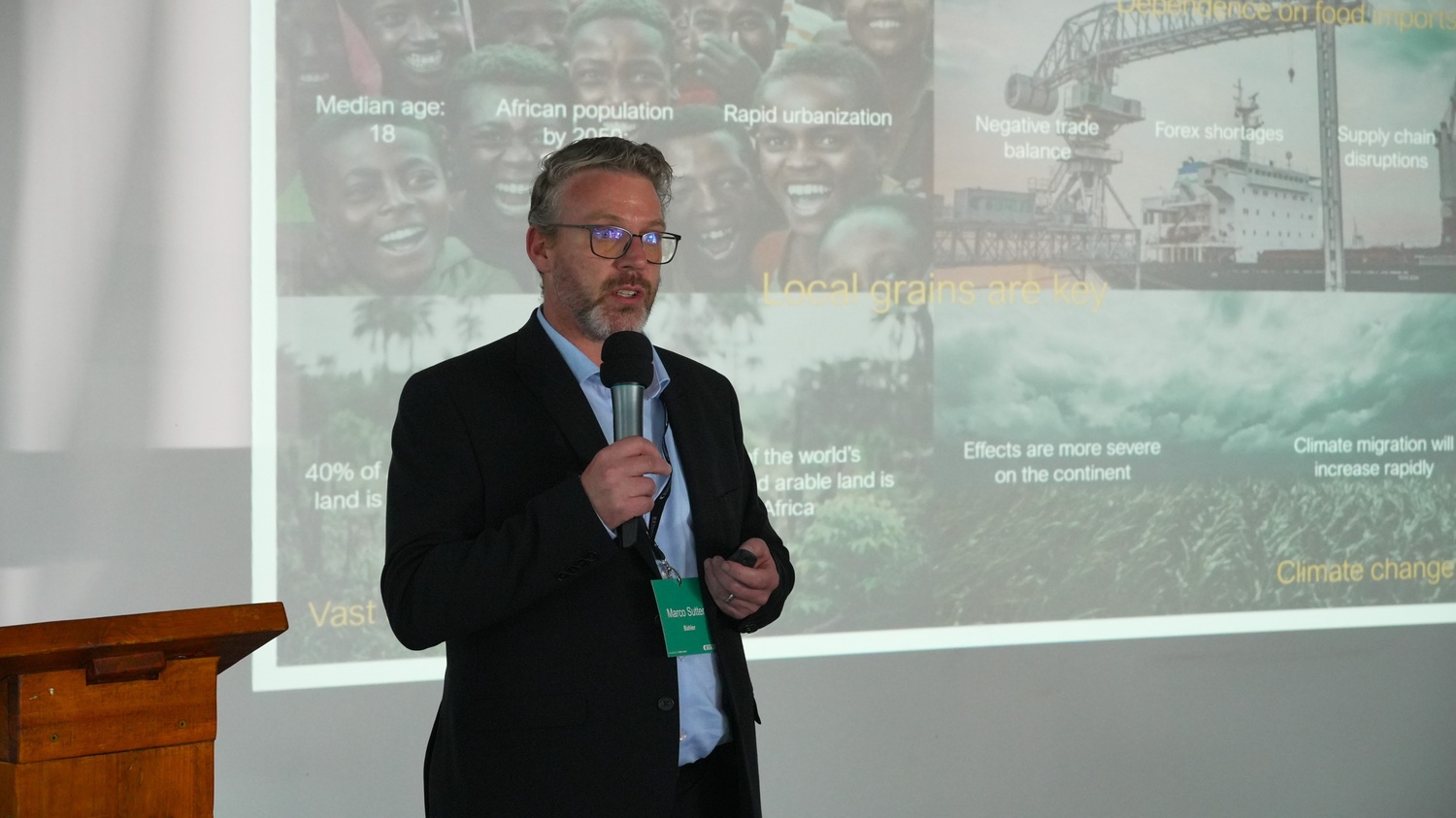
That track record put Bühler at the centre of the discussion. Marco Sutter, Managing Director of Bühler Southern Africa, who began his career as a Bühler apprentice in Switzerland in 1994, described his own professional journey as proof of the impact of structured vocational education. “The future lies in Africa, which has the youngest population in the world,” he said, arguing that technical skills development is inseparable from the continent’s growth.
As food security, population growth, urbanisation and industrialisation reshape the continent, Sutter argued that developing local technical skills will become increasingly important. “Education should be viewed not separately from sustainability but as one of its essential foundations,” said Sutter.
The facilitated discussion reinforced broad agreement that no single stakeholder can address South Africa’s skills challenges alone. Participants identified stronger coordination between government, industry, education institutions and development partners as essential to expanding quality apprenticeships, while also calling for a shift in public perceptions to position apprenticeships as a high-value career pathway alongside traditional academic qualifications.
Looking ahead
Concluding the roundtable, Madziwanyika said the real measure of success would be the partnerships that emerge from the discussions. “Today’s conversation is only the beginning,” she said. “If we want to unlock the potential of South Africa’s young people, we must move beyond talking about skills development and focus on creating real pathways into productive employment. That is something we can only achieve together.” In October, key stakeholders will meet again to define the next steps of the collaboration.
Media contacts:
Taryn Browne, Head of Marketing, Southern Africa
Bühler (Pty) Ltd.
Bühler Southern Africa
Phone: +27 11 801 3500
Mobile: +27 66 307 4618
E-mail: taryn.browne@buhlergroup.com
Dalen Jacomino Panto, Media Relations Manager
Bühler AG, 9240 Uzwil, Switzerland
Phone: +41 71 955 37 57
Mobile: +41 79 900 53 88
E-mail: dalen.jacomino_panto@buhlergroup.com
Katja Hartmann, Media Relations Manager
Bühler AG, 9240 Uzwil, Schweiz
Mobile: +41 79 483 68 07
E-mail: katja.hartmann@buhlergroup.com
About Bühler
Bühler is driven by its purpose of creating innovations for a better world, balancing the needs of economy, humanity, and nature in all its decision-making processes. Billions of people come into contact with Bühler technologies as they cover their basic needs for food and mobility every day. Two billion people each day enjoy foods produced on Bühler equipment; and one billion people travel in vehicles manufactured using parts produced with Bühler solutions. Countless people wear eyeglasses, use smart phones, and read newspapers and magazines – all of which depend on Bühler process technologies and solutions. As a technology partner with this global relevance, Bühler is in a unique position to help unlock new pathways to profitable sustainability and, through its solutions and services, turn global challenges into opportunities.
For this reason, in 2019, Bühler committed to having the solutions ready to multiply that reduce energy, waste, and water by 50% in the value chains of its customers. In 2025, it established that in 11 of the key 15 value chains, reductions of at least 50% are feasible in one or more key environmental dimensions. Across all value chains, savings of more than 35% are achievable in at least one category. The company is now focused on driving adoption and scaling these solutions further to multiply impact. In its own operations, Bühler has developed a pathway to achieve a 60% reduction in greenhouse gas emissions by 2030 (Greenhouse Gas Protocol Scopes 1 & 2, against a 2019 baseline).
Bühler spends up to 5% of its turnover on research and development annually to improve both the commercial and sustainability performance of its solutions, products, and services. In 2025, the company employed 12,090 people who generated a turnover of CHF 2.8 billion. As a Swiss family-owned company with a history spanning 166 years, Bühler is active in over 140 countries around the world and operates a global network of 105 service stations, 27 manufacturing sites, and research and training centers in 26 locations.
-

Albert-Okal-Skills-and-Lifelong-Learning-Specialist-International-Labour-Organization
Irene-Mark-Eisenring-Global-CHRO-Buhler-Group
Kathryn-Rowan-Executive-Director-of-GAN-Global-at-the-Buhler-Johannesburg-roundtable
Kathryn-Rowan-Executive-Director-GAN-Global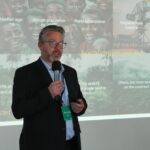
Marco-Sutter-MD-Buhler-Southern-Africa
Rachael-Madziwanyika-CFO-and-Head-of-HR-at-Buhler-Southern-Africa-1 - Buhler-Southern-Africa-leads-industry-dialogue-on-apprenticeships_approved
Buhler-Southern-Africa-leads-industry-dialogue-on-apprenticeships_approved