As global water systems face mounting pressure from climate change, population growth and ageing infrastructure, engineering expertise and cross-sector collaboration are becoming essential to securing reliable water services. Ahead of World Water Day on 22 March, experts from global infrastructure leader AECOM emphasise that strengthening water resilience requires integrated planning, sustained infrastructure investment and greater recognition of water’s social and economic value.
In South Africa, the urgency of strengthening water systems is particularly evident. Many municipalities face mounting pressures from ageing infrastructure, high levels of non-revenue water and growing demand, while climate variability is intensifying both droughts and flooding events. These challenges are driving renewed focus on long-term infrastructure planning, improved asset management and stronger collaboration between the public and private sectors.
“Municipalities are responsible for delivering safe water from source to users, yet many systems are under pressure due to ageing infrastructure and limited budgets,” explains Erika Braune, Stormwater Engineer at AECOM. “Engineering consultancies can play an important role in translating constrained resources into technically feasible, phased interventions that ensure service provision continuity while moving municipalities from reactive maintenance to planned, risk-based infrastructure management.”
South Africa’s water sector faces significant operational pressures. High levels of water losses and non-revenue water, estimated to exceed 40% nationally, place additional strain on already limited water resources. Addressing these issues requires stronger planning frameworks, preventative maintenance and improved public awareness about the value of water.
Water security is shaped by climate variability
At the same time, water security is increasingly shaped by climate variability. Intensifying droughts, extreme rainfall events and hydrological uncertainty are placing additional pressure on both water resources and infrastructure systems.
“Climate change has intensified variations in the hydrological cycle, resulting in more frequent droughts and extreme rainfall,” says Sibusisiwe Nxumalo, Water and Wastewater Treatment Engineer at AECOM. “Improving water security therefore requires climate-resilient infrastructure, diversified water sources and strong protection of rivers, dams and groundwater that supply communities.”
These challenges demand a more integrated and forward-looking approach to water management. Engineers are increasingly required to consider social, environmental and economic impacts across the full lifecycle of infrastructure projects, while designing systems capable of adapting to future climate conditions.
“The water sector is evolving toward more circular and diversified systems,” says Jan Bekker, Senior Engineer in Dams and Hydropower at AECOM. “Alternative water sources such as groundwater, desalination and water reuse, alongside green infrastructure solutions that capture stormwater, are becoming increasingly important for strengthening resilience and reducing pressure on traditional supply systems.”
Technological innovation is transforming water systems
Technological innovation is also transforming how water systems are planned and managed. Advanced modelling tools, artificial intelligence and cloud-based computing allow engineers to simulate complex scenarios, improve predictive maintenance and make more informed decisions across the water value chain.
“In stormwater and flood risk work, tools such as two-dimensional hydraulic modelling and integrated terrain analysis help engineers better understand system complexity and communicate risks more clearly,” notes Braune. “These technologies support more resilient design and better long-term planning.”
Beyond technology, collaboration between public institutions, industry and communities remains critical to improving water outcomes. Partnerships across sectors help share expertise, unlock innovative solutions and reduce pressure on municipal water systems. “Water resilience is strengthened when governments, industry and communities work together,” says Bekker.
“For example, increased use of treated process water in sectors such as mining can reduce reliance on potable supplies and free up water for households and other economic activities.” At the same time, improving the performance of water and wastewater treatment plants remains central to safeguarding water quality and protecting source water ecosystems.
Ensuring reliable long-term service delivery
“Several treatment plants are operating under strain due to ageing infrastructure, increased demand and operational inefficiencies,” warns Nxumalo. “Prioritising infrastructure rehabilitation, improving operational efficiency and strengthening asset management practices are essential to ensuring reliable long-term service delivery.”
AECOM’s work in the water sector is guided by its Sustainable Legacies strategy, which focuses on improving social outcomes, achieving net-zero carbon, embedding sustainable development and strengthening governance. In water infrastructure projects, this approach prioritises climate resilience, long-term system reliability and tangible benefits for communities.
“Projects should not be evaluated solely on immediate delivery, but on their long-term environmental, social and governance outcomes,” stresses Braune. “Embedding resilience into design and planning ensures water systems remain reliable as climate and demand pressures continue to evolve.”
As the world marks World Water Day, AECOM’s specialists emphasise that safeguarding water requires collective responsibility across society. “Water is a finite and irreplaceable resource,” comments Bekker. “If we value and manage it responsibly and inclusively, we can build resilient water systems that support stronger communities, greater equity and sustainable development for generations to come.”
This year’s World Water Day theme, Water and Gender, also highlights the broader social dimensions of water access, which recognises the disproportionate impact that unreliable water systems can have on women and girls. Reliable, well-managed water infrastructure not only supports economic development but also improves public health, dignity and social equity in communities.
As Nxumalo concludes: “Reliable water systems foster dignity, socio-economic development and public health. Strategic planning, strong infrastructure management and collaboration across sectors are key to ensuring long-term water security.”
Ends
Notes to the editor
To download hi-res images for this news article, please visit http://media.ngage.co.za and click on the AECOM link to view the company’s press office.
About AECOM
AECOM is the global infrastructure leader, committed to delivering a better world. As a trusted professional services firm powered by deep technical abilities, we solve our clients’ complex challenges in water, environment, energy, transportation and buildings. Our teams partner with public- and private-sector clients to create innovative, sustainable and resilient solutions throughout the project lifecycle – from advisory, planning, design and engineering to program and construction management. AECOM is a Fortune 500 firm that had revenue of $16.1 billion in fiscal year 2025. Learn more at aecom.com.
AECOM Contact
Lucy Jacobs-McLane
Communications Lead, Strategy & Growth, Middle East & Africa
Phone: +971 52 152 7638
Email: lucy.mclane@aecom.com
Website: www.aecom.com
Media Contact
Thobile Ndlovu
Senior Account Executive
NGAGE Public Relations
Phone: (011) 867-7763
Cell: 073 574 2931
Email: thobile@ngage.co.za
Web: www.ngage.co.za
Browse the NGAGE Media Zone for more client news articles and photographs at http://media.ngage.co.za
-

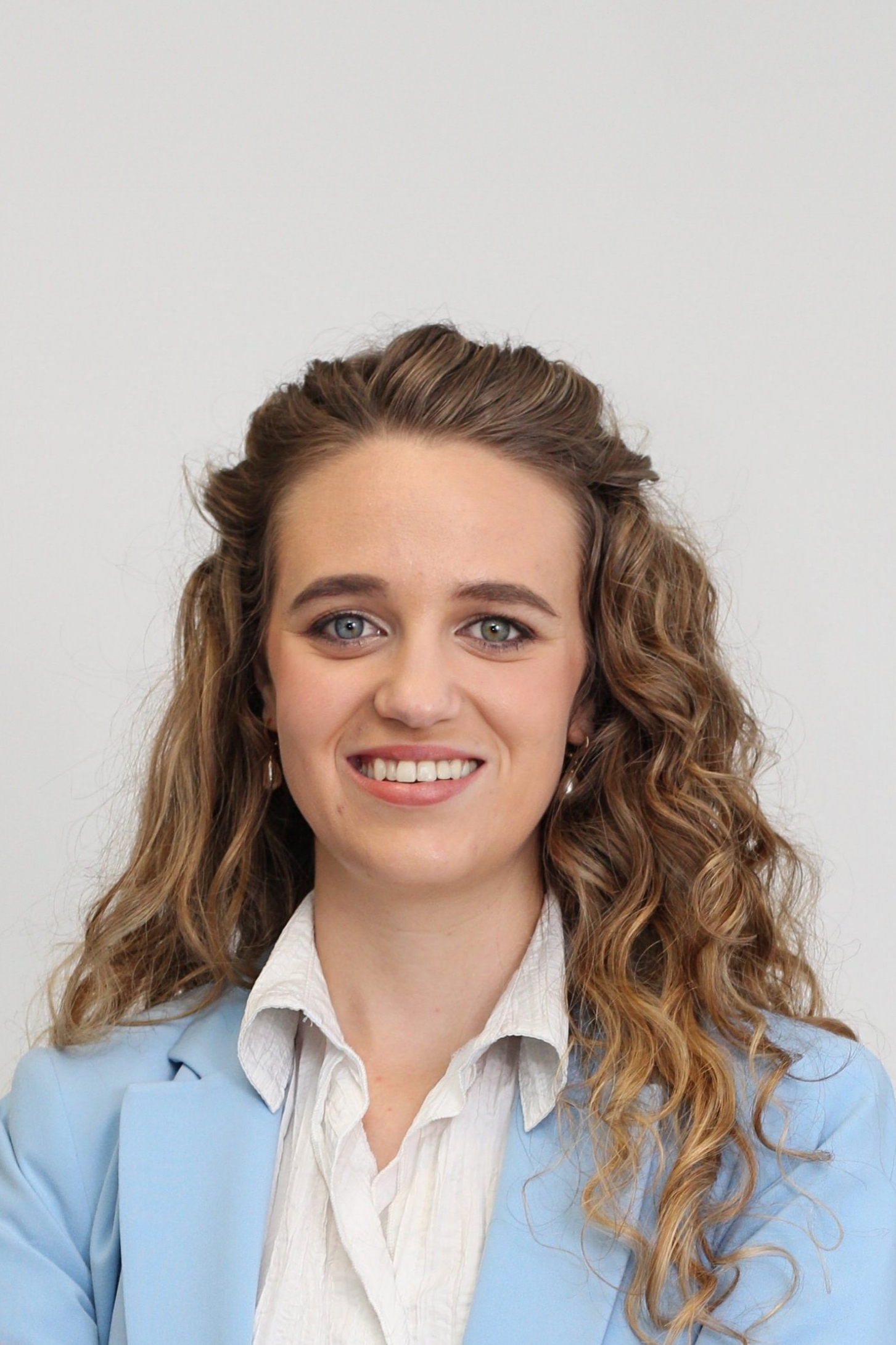
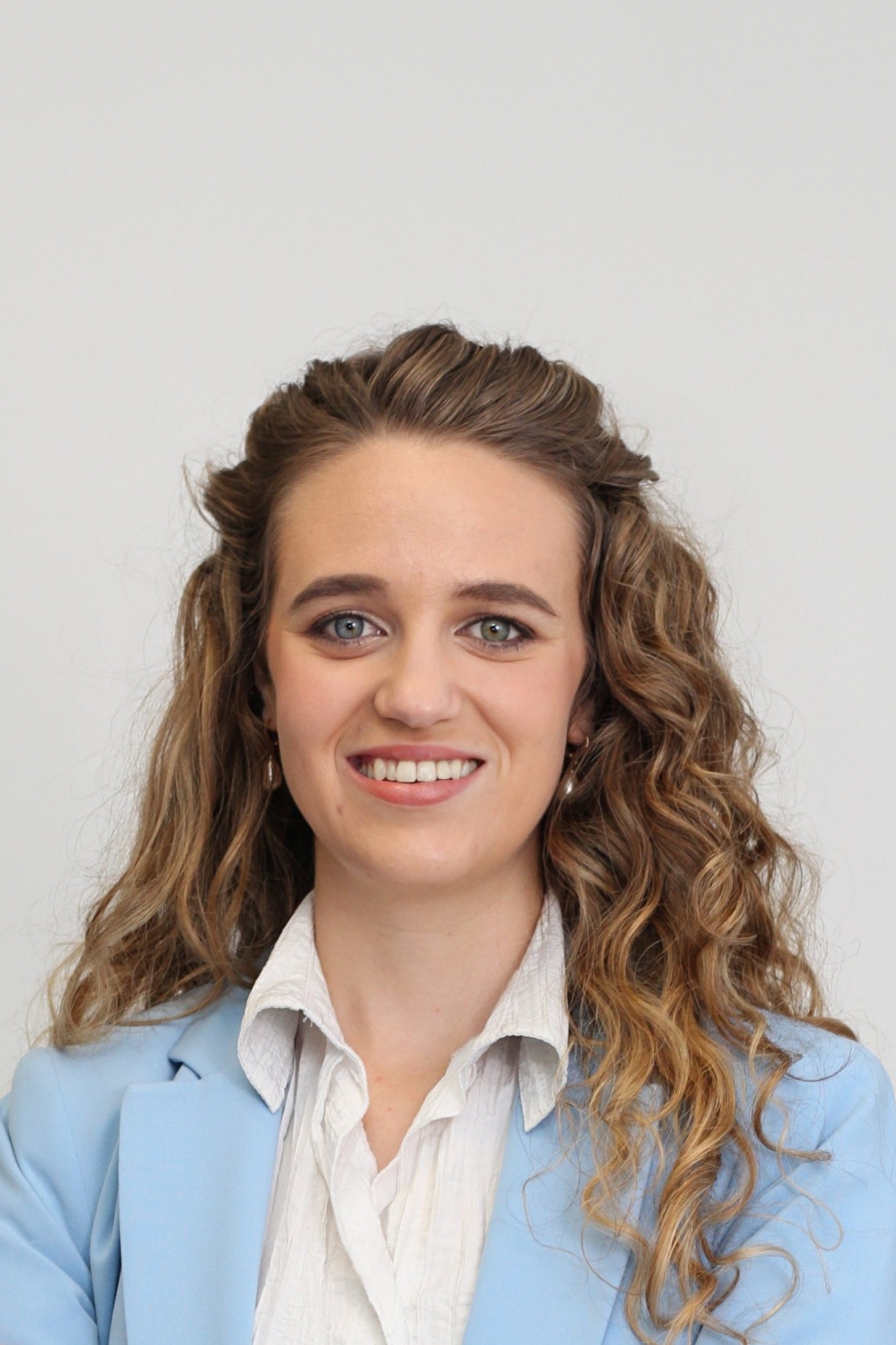
Erika Braune, Stormwater Engineer at AECOM
Jan Bekker, Senior Engineer in Dams and Hydropower at AECOM
Sibusisiwe Nxumalo, Water and Wastewater Treatment Engineer at AECOM - AECOM highlights collaborative, climate-resilient solutions for water security ahead of World Water Day_approved
AECOM highlights collaborative, climate-resilient solutions for water security ahead of World Water Day_approved