From heavy-duty machinery and combustible materials to remote and underground operations, effective fire protection must be designed around the realities of the mining environment
Mining operations are conducted in some of the harshest and most demanding environments in industry. Whether it is a deep-level underground mine or a large open-pit operation, workers and equipment are exposed to a combination of heat, dust, vibration, combustible materials, heavy machinery and potentially flammable substances. These conditions create a persistent fire risk, one that can have consequences extending far beyond the initial incident.
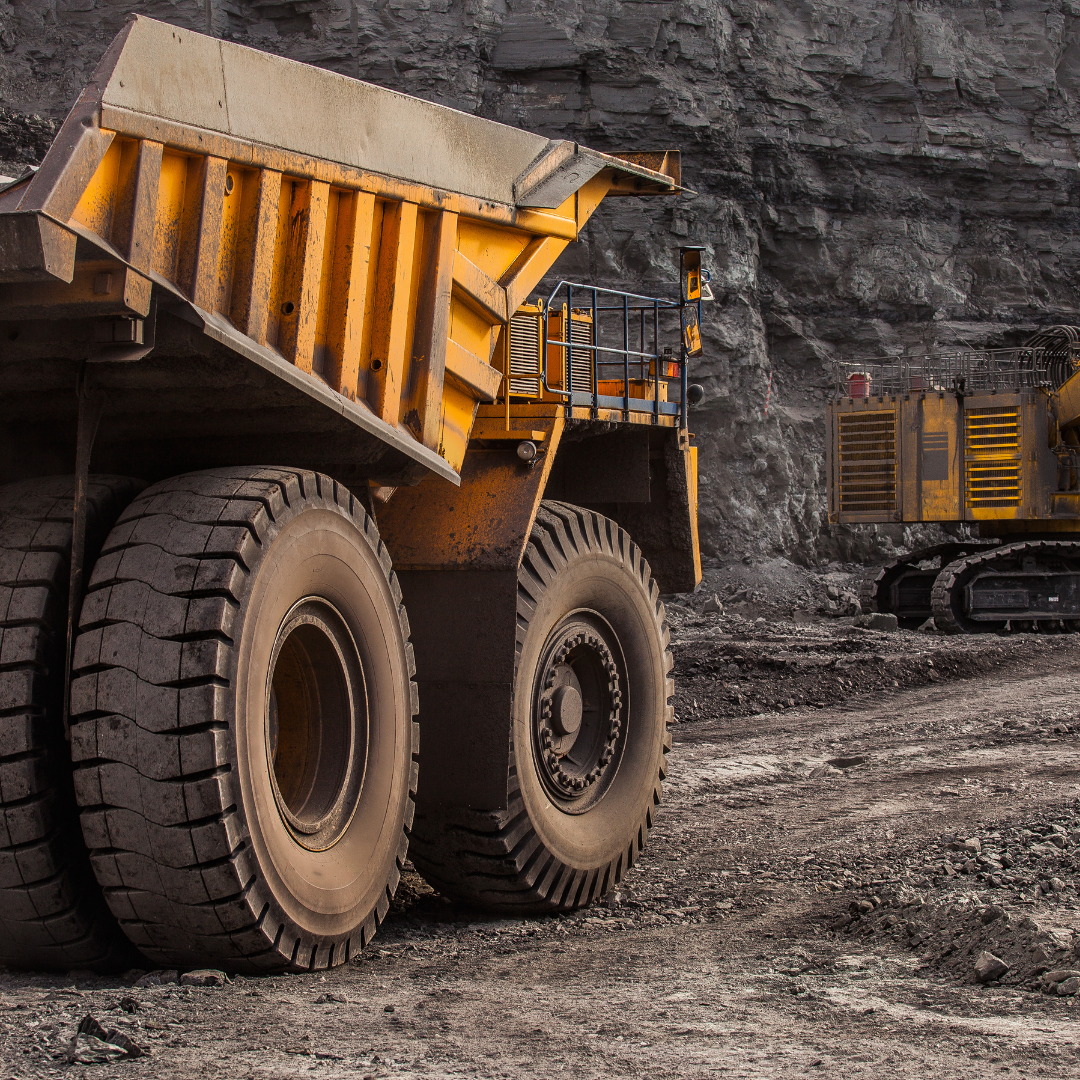
“Mining vehicles such as excavators, haul trucks and draglines are high-value assets operating in arduous conditions where fire risk is high,” explains ASP Fire CEO Michael van Niekerk. “These machines are not only exposed to extreme temperatures, friction and flammable substances. They also often operate in remote areas, where emergency response times can be significantly delayed. This makes prevention absolutely critical.”
A fire involving a major piece of mobile equipment can result in significant asset damage and extended downtime, while an incident underground can present an even more serious threat because of confined spaces, restricted ventilation and limited evacuation routes. Mining environments demand a very different approach to fire protection because the risks are constantly influenced by the conditions in which people and equipment operate.
“Extreme temperatures, dust, vibration, combustible materials and the remoteness of some operations can all increase the consequences of a fire. Protection therefore needs to be designed around the realities of the environment, rather than applied as a generic solution,” adds van Niekerk.
Heavy machinery creates multiple ignition points
The scale and complexity of mining machinery introduce numerous potential ignition sources. Overheated brake systems and turbochargers can reach temperatures capable of igniting nearby combustible materials. High-pressure hydraulic leaks can produce fine sprays of oil that may ignite when they contact hot surfaces. Electrical faults and arcing are another recurring concern, particularly where heavy-duty machinery operates under constant vibration.
Fuel and oil line failures add another layer of vulnerability. When these ignition sources occur in proximity to diesel fuel, rubber tyres, lubricants and other combustible materials, a relatively small fault can escalate rapidly into an equipment fire. This makes the protection of mobile and fixed mining assets an important part of an overall fire risk management strategy, particularly where a machine may be operating far from immediate emergency support.
Risk assessment must reflect real operating conditions
There is no one-size-fits-all approach to fire protection in mining. A thorough Hazard Identification and Risk Assessment (HIRA) provides the foundation for understanding the particular risks associated with a mine, its equipment and its operating environment. ASP Fire conducts detailed assessments to determine the appropriate protection for individual vehicles and equipment.
“Every mine and every machine present a unique risk profile. We conduct detailed assessments designed to understand the precise operating environment of each vehicle or piece of equipment,” says van Niekerk. This means looking beyond the obvious ignition sources and considering the conditions in which the fire protection system itself must operate.
Factors such as abrasive dust, extreme ambient temperatures, constant vibration and operator accessibility can all influence the selection and design of a suppression system. Maintenance requirements and the practical realities of accessing equipment must also be considered. A proper risk assessment is the starting point for effective fire protection.
“Every mine, vehicle and piece of equipment has its own combination of hazards and operating conditions. By understanding where ignition sources are located, what combustible materials are present and how the equipment is accessed and maintained, we can develop a suppression solution that is practical, reliable and suited to the conditions in which it must perform,” says van Niekerk.
Choosing suppression technology for the environment
Dry Chemical Powder (DCP) extinguishers remain widely used in mining, but their limitations need to be recognised when selecting protection for demanding environments. DCP does not provide a cooling effect, which can increase the risk of reignition, particularly in rubber or fuel fires. Constant vibration can also cause powder to compact, potentially affecting its performance when the extinguisher is needed.
In enclosed or underground environments, the dense cloud generated by powder can further reduce visibility and complicate evacuation and firefighting. For these reasons, ASP Fire promotes advanced alternatives such as water-mist and Aqueous Film Forming Foam (AFFF) systems where appropriate.
Water-mist extinguishers atomise water into micro-droplets, creating a greater surface area for rapid heat absorption. This enables the system to cool hot surfaces while suppressing flames without the visibility issues associated with a dense powder cloud.
AFFF systems, meanwhile, create a vapour-suppressing blanket over hydrocarbon-based fires, helping to starve the fire of oxygen and reduce the likelihood of reignition. This makes them particularly suited to applications involving fuels, including fuel handling, storage and transport.
Protecting people means protecting production
The consequences of a mining fire are measured not only in damaged equipment. A serious incident can halt production, create prolonged equipment downtime, affect operational schedules, increase insurance costs and cause reputational damage. More importantly, it can place employees and contractors at significant risk.
This is why fire safety needs to be viewed as an integral component of operational continuity rather than as a standalone compliance exercise. “Fire safety in mining must be treated as a core element of operational continuity, rather than a secondary consideration. This sector forms part of the backbone of the economy, and any incident has far-reaching consequences for workers, productivity and communities,” concludes van Niekerk.
Ends
Connect with ASP Fire on Social Media to receive the company’s latest news
LinkedIn: https://www.linkedin.com/company/asp-fire-pty-ltd/
Notes to the Editor
To download hi-res images for this release, please visit http://media.ngage.co.za and click the ASP Fire link to view the company’s press office.
About ASP Fire
ASP Fire operates across the entire African continent from its Gauteng base, providing professional, accredited fire risk management and support to its clients. ASP Fire designs, installs, and maintains a full range of fire detection and suppression equipment suited to clients’ needs. ASP Fire provides a holistic, proactive, and preventative fire solution based on integrated fire risk assessment, training, and consulting, with the installation and maintenance of fire detection and suppression systems that meet SABS, NFPA, FPASA, and SAQCC standards.
ASP Fire Contact
Michael van Niekerk
ASP Fire
CEO
Phone: +27 (0) 11 452 2169
Cell: +27 (0) 83 779 1701
Fax: +27 (0) 86 505 1030
Email: michael@aspfire.co.za
Web: www.aspfire.co.za
Media Contact
Thobile Ndlovu
Senior Account Executive
NGAGE Public Relations
Phone: (011) 867-7763
Cell: 073 574 2931
Email: thobile@ngage.co.za
Web: www.ngage.co.za
Browse the NGAGE Media Zone for more client press releases and photographs at http://media.ngage.co.za
-

Michael van Niekerk, CEO of ASP Fire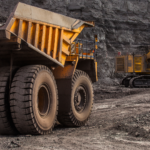
Mining equipment faces significant fire risks due to extreme temperatures and demanding operating conditions. - Tackling fire risks in minings harshest environments_approved
Tackling fire risks in minings harshest environments_approved