The sustainability of a building material should be measured by more than its initial cost or the energy required to manufacture it. Its performance over decades of use, maintenance requirements and potential for recovery and reuse at the end of its service life are equally important considerations.
For architects, developers and construction professionals, this lifecycle perspective is increasingly relevant as the industry seeks to reduce waste, extend the useful life of buildings and make more responsible material choices.
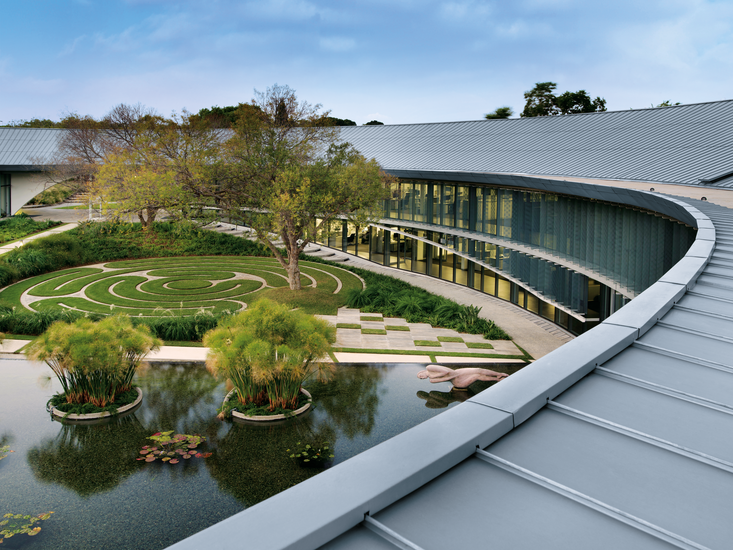
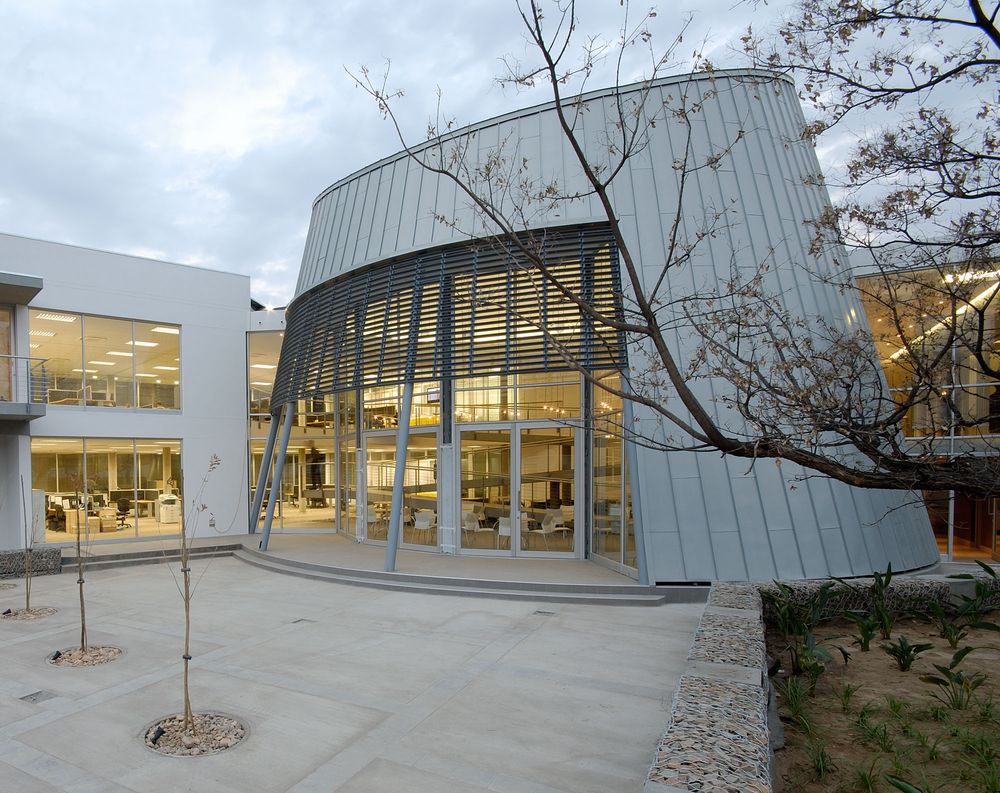
Rolled zinc offers a compelling example of how durability and resource recovery can work together. Available in forms including sheet, strip and plate, it can be manufactured in different compositions and alloys to meet specific application requirements. Zinc sheet is particularly well established in architectural applications, including roofing, wall cladding, gutters, downpipes, flashing and weathering systems.
“Material selection has implications that extend far beyond the construction phase. We need to consider how long a material will perform, how much maintenance it requires and what happens when it eventually reaches the end of its useful life,” comments Simon Norton, Director of the International Zinc Association (IZA) Africa. “Rolled zinc demonstrates the value of taking this longer-term view. Its durability and recovery potential make it an important material to consider when designing buildings for longevity.”
A versatile material engineered for performance
Widely known in modern construction as architectural zinc or titanium zinc, rolled zinc is a high-performance wrought alloy made primarily from high-purity zinc, with controlled additions of copper, titanium and aluminium. Unlike cast zinc or hot-dip galvanized steel coatings, it is a solid metal sheet engineered for architectural applications.
The alloying elements contribute to its mechanical properties. Titanium helps refine the grain structure and improve tensile strength, while copper enhances ductility and workability. This combination allows the material to accommodate architectural detailing, including complex folds, curves and standing-seam installations.
A manufacturing process designed for precision
Rolled zinc is manufactured from special high-grade zinc with a minimum purity of 99.995%, in accordance with EN 1179. Controlled quantities of titanium, copper and aluminium are added to the molten zinc in induction furnaces before the alloy is continuously cast into slabs. These are hot-rolled and then cold-rolled to achieve the required thickness, typically between 0.7 mm and 1.0 mm for architectural applications.
Finished sheets or coils may undergo passivation or factory pre-weathering to develop or stabilise the material’s characteristic protective patina. The resulting material can be supplied in formats suited to different applications. For the building industry, its value lies in its suitability for architectural detailing and weather-exposed components.
Roofing, wall cladding and rainwater management systems must perform reliably over extended periods while accommodating the practical requirements of building design and installation. Material selection alone, however, does not determine longevity. Appropriate detailing, installation and maintenance practices remain essential to achieving the intended service life.
Durability reduces the need for replacement
One of the strongest arguments for rolled zinc in construction is its potential longevity. According to the IZA, a zinc roof or wall system can last up to 100 years when properly installed. In Europe, where zinc is more widely used in architecture, zinc roofing, gutters and railings have been known to remain in service for generations.
This longevity can reduce the frequency of replacement and the associated demand for new materials, labour and transport. While the economics of any roofing or cladding system depend on the project specification, installation quality and exposure conditions, durability is an important consideration when comparing materials over a building’s lifetime.
“Long service life is a significant part of the sustainability discussion. Every time a building component must be replaced, there are additional material and operational requirements to consider. Selecting materials that can perform over an extended period can help reduce this cycle of replacement,” adds Norton.
Rolled zinc’s durability is supported by its ability to develop a protective patina. Through reactions with atmospheric oxygen, moisture and carbon dioxide, the surface forms a tightly adherent layer of basic zinc carbonate that helps protect the underlying metal.
Performance varies according to atmospheric conditions. In medium-corrosivity ISO 9223 C3 environments, zinc corrosion rates are typically 0.7 to 2.1 micrometres per year, while high-corrosivity ISO 9223 C4 environments experience rates of 2.1 to 4.2 micrometres per year. In more aggressive industrial and coastal settings, appropriate detailing, effective drainage and the prevention of prolonged moisture accumulation are particularly important to long-term performance.
From construction waste to a recoverable resource
Durability is only one aspect of rolled zinc’s lifecycle benefits. Its potential for recovery and reuse at the end of its service life is equally important. According to the IZA, roofing materials have accounted for an estimated 7% to 10% of existing landfill space over the past 40 years. This highlights the waste implications associated with building products that are discarded when they reach the end of their useful lives.
Rolled zinc offers an alternative because material recovered from roofing and rainwater systems can be returned to the resource cycle. IZA reports that about 90% of rolled zinc from roofs and rainwater systems is recovered annually in Western Europe.
This recovery rate demonstrates the potential for architectural zinc to remain a valuable resource beyond its original application. Rather than automatically becoming waste, recovered material can be collected and reused, supporting more circular approaches to construction.
Realising these benefits depends on appropriate collection, separation and recycling infrastructure, as well as effective material recovery during renovation or demolition. Design decisions that facilitate disassembly can further support this process.
International brands serving the South African market
Architectural rolled zinc is supplied internationally by specialist manufacturers, with products available to South African buyers through established distribution channels. These include Germany’s RHEINZINK, known for its pre-weathered finishes; VMZINC, part of France’s VM Building Solutions, which offers roofing and façade systems; the Netherlands’ NedZink, which supplies natural and pre-weathered titanium zinc; and Spain’s Elzinc, which produces textured, pre-weathered and pigmented zinc sheets and coils.
In South Africa, RHEINZINK products are distributed through specialist system partners and metal suppliers, including Safintra and Two Oceans Metal. Availability and product ranges vary by manufacturer and distributor. Beyond architectural applications, rolled zinc is also used in graphic arts, battery cans and coinage, reflecting its versatility across different industrial applications.
Supporting more sustainable building decisions
No single material can meet every project’s requirements. Sustainability assessments should account for the complete system, including manufacturing, transport, installation, maintenance and end-of-life management. Nevertheless, materials that combine long service life with established recovery pathways offer specifiers practical opportunities to reduce waste and extend the productive use of resources.
“As the construction industry considers how to build more responsibly, lifecycle performance needs to become a central part of material selection. Rolled zinc offers a practical example of how durability and resource recovery can complement one another, helping the industry look beyond the immediate demands of construction towards the long-term performance of the built environment,” concludes Norton.
Ends
Connect with the International Zinc Association on social media to receive its latest news.
Facebook: https://bit.ly/3uNP5w7
LinkedIn: https://bit.ly/3uNSAmb
Notes to the Editor
To download hi-res images for this news article, please visit http://media.ngage.co.za and click the International Zinc Association link to view the company’s press office.
About the International Zinc Association (IZA)
The IZA is the only global industry association dedicated exclusively to the interests of zinc and its users. Operating internationally and locally in Africa through the IZA Africa Desk, the IZA helps sustain the long-term global demand for zinc and its markets by promoting such key end uses as corrosion protection for steel and zinc as essential in human health and crop nutrition. IZA’s main programmes are Zinc Use Research, Sustainability & Environment, Technology & Market Development and technical Communications.
In South Africa, the IZA plays a vital role in establishing the basis for the successful growth of the zinc industry by increasing awareness of zinc and its applications and benefits in key sectors and markets.
International Zinc Association Contact
Simon Norton
Director
IZA Africa
Phone: (021) 788 9980
Cell: 082 831 2924
Email: zinc@iafrica.com
Web: www.zinc.org
Media Contact
Andile Mbethe
Account Executive
NGAGE Public Relations
Phone: (011) 867-7763
Cell: 073 565 6536
Email: andile@ngage.co.za
Web: www.ngage.co.za
-
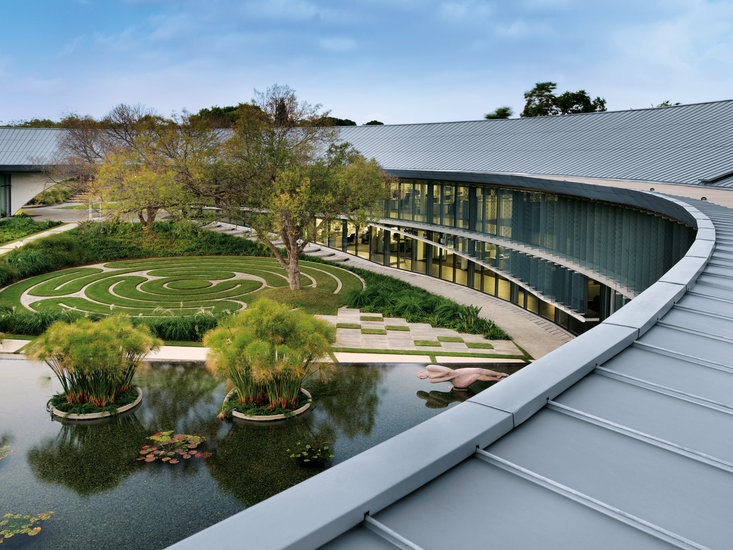
RHEINZINK roofing at BMWs South African Head Office
RHEINZINK used in the exterior of the Ernst Young office in Windhoek Namibia
Simon Norton, Director of the International Zinc Association IZA Africa - Building for the long term with rolled zinc_APPROVED
Building for the long term with rolled zinc_APPROVED