From the tyres on vehicles to ceramic tiles, protective coatings, sunscreens and agricultural products, zinc oxide is one of the most versatile forms of zinc and one that has applications across several commercial sectors relevant to Africa.
Zinc oxide can be produced through a variety of processes, according to the International Zinc Association (IZA) Africa Desk:
The primary route is the indirect French process, where metallic zinc ingots or high-purity scrap are melted and vaporised in a furnace at temperatures above the zinc boiling point of 907°C. The resulting zinc vapor reacts with oxygen in a combustion chamber, rapidly oxidising into fine, high-purity particles upon cooling. This is the key process for producing high grade industrial and rubber grade zinc oxide.
Second is the direct American process, in which zinc ores such as roasted zinc concentrates or secondary zinc residues are mixed with carbonaceous fuels (for example, coal or coke) and reduced in a furnace. The zinc vaporised during reduction is immediately oxidised by air within the same reactor system. This yields a lower purity, pigment grade material containing trace metallic impurities.
Third, in the wet chemical hydrometallurgical process, zinc feedstocks, zinc ash, or scrap are dissolved in acid (for example, sulphuric acid) to create a purified zinc salt solution. Alkaline reagents such as sodium carbonate or ammonia are added to precipitate zinc carbonate () or zinc hydroxide, Zn(OH)2. The precipitate is filtered, washed, and calcined at elevated temperatures (400°C to 800°C) to yield ultra-high-purity, pharmaceutical-grade, or active nano-structured .
Zinc oxide’s versatility comes from a combination of physical and chemical properties that allow it to perform very different roles across industrial, agricultural and medical applications. “Zinc oxide is a good example of how a relatively simple zinc compound can become an essential ingredient in products that are fundamental to modern life,” comments Simon Norton, Director of the IZA Africa. “Its applications span manufacturing, agriculture and medicine, making it particularly relevant to the diverse needs of all economies including many in Africa ”
Putting the bounce into tyres
One of zinc oxide’s major industrial applications is as a vulcanising activator in rubber production. It is particularly important in tyre manufacturing, where it contributes to the resilience and elasticity of rubber. This gives zinc oxide a direct connection to transport and mobility, sectors that are critical to Africa’s economic development, from passenger vehicles and commercial transport to the movement of agricultural and mineral products.
However, tyres are only one part of the story. Zinc oxide is also widely used in ceramics, where it contributes to the production of frits, artistic glass and enamels. Its properties help enable the durability and appearance of ceramic tiles, cookware and tableware. In paints and coatings, zinc oxide can function as a pigment while improving lightfastness and hardness.
It can also contribute to corrosion protection and provide anti-fouling and antimicrobial properties. These applications have particular relevance in Africa, where infrastructure and industrial assets often have to withstand challenging environmental conditions.
“Durability is an important consideration wherever resources are constrained and infrastructure has to deliver value over a long operating life. Zinc oxide contributes to the performance of a wide range of products, from rubber and coatings to ceramics, and these applications can support more resilient manufacturing and infrastructure,” adds Norton.
From the factory to the farm
Perhaps one of the most important African applications of zinc compounds lies outside conventional industrial markets, namely agriculture. Zinc is an essential micronutrient for plants, and zinc deficiency is widespread in African soils. IZA Africa reports average zinc deficiency ranging from 24% in Nigeria to 66% in Zambia. Zinc deficiency in soils can also contribute to zinc deficiency in human populations, particularly where diets rely heavily on cereal crops.
Zinc containing fertilisers can therefore address two interconnected challenges in improving crop productivity while increasing the zinc content available through food. IZA Africa notes that zinc fertiliser can improve crop resilience to environmental stresses such as drought and heat while increasing grain zinc concentrations. On the farm, zinc oxide plays a vital role in animal health and crop production.
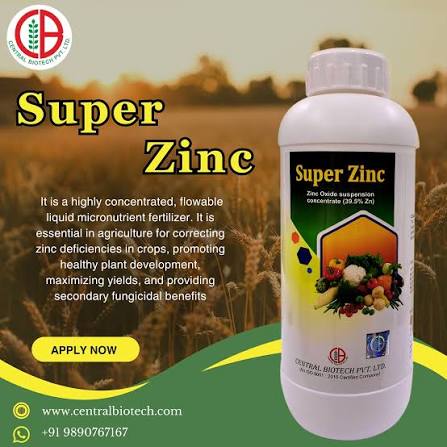
Zinc oxide acts a micronutrient fertiliser additive to correct zinc deficiencies in soils to promote enzymatic activity, protein synthesis, and chlorophyll formation in crops thus generating a richer crop. Alternatively, zinc oxide can function as a crop protector with powerful antimicrobial and anti-fungal properties or a UV protectant in modern agrochemical and nano-pesticide formulations.
Finally, zinc oxide functions as a livestock feed supplement and is added to swine, poultry and cattle feeds as an essential trace element to enhance gut health, boost immune response and support growth performance.
“Food security is not simply about producing more food; it is also about producing nutritious food,” highlights Norton. “The relationship between zinc deficient soils, crop performance and human nutrition makes zinc an important part of the wider conversation around agricultural productivity and health in Africa.”
A compound with a human dimension
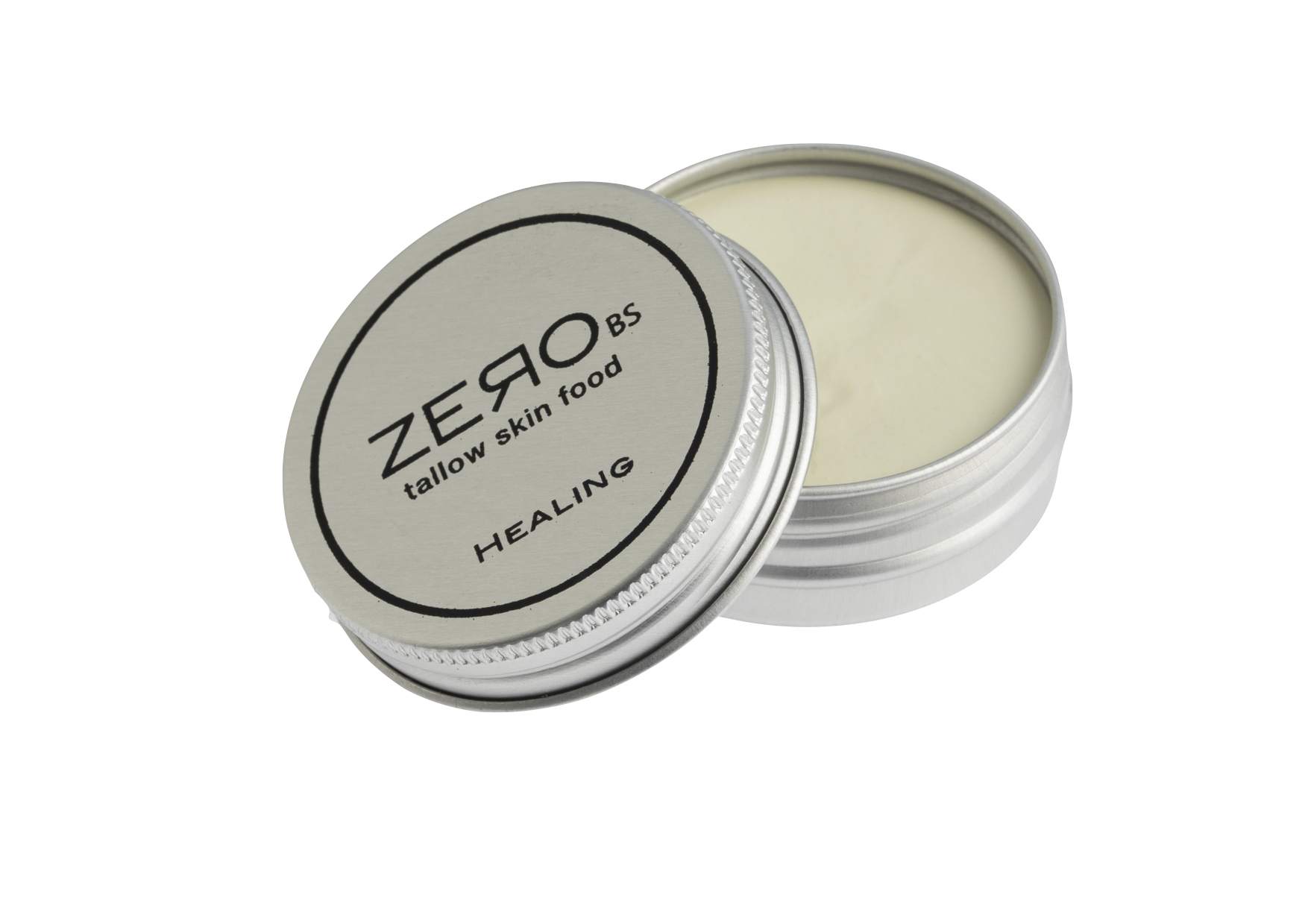
The relevance of zinc oxide extends into medical and topical skin applications. Zinc oxide is found in topical skin lotions and ointments where it serves as a mild astringent, skin barrier and antiseptic in baby rash creams, calamine lotions and burn ointments to promote wound healing and reduce inflammation.
Under intense sunshine exposure, zinc oxide offers broad spectrum UV protection as a physical UV filter in sunscreens and dermatological products, reflecting both UV-A and UV-B radiation. Even more interesting is its use in dentistry where, mixed with eugenol to form zinc oxide-eugenol cements, it is used for temporary tooth restorations, root canal sealers and pulp-soothing dressings due to its sedative and antibacterial properties.
For Africa, where food security, crop resilience and access to healthcare are all closely connected to economic development, the wider zinc value chain presents a wide range of opportunities. “Zinc compounds may not always be visible to the end user, but their contribution is vital to human well-being and health,” says Norton.
“From the products that support mobility and manufacturing to agriculture and healthcare, zinc oxide and zinc compounds demonstrate the breadth of applications that this essential element offers Africa,” he concludes.
Ends
Connect with the International Zinc Association on Social Media to receive its latest news
Facebook: https://bit.ly/3uNP5w7
LinkedIn: https://bit.ly/3uNSAmb
Notes to the Editor
To download hi-res images for this news article, please visit http://media.ngage.co.za and click the International Zinc Association link to view the company’s press office.
About the International Zinc Association
The IZA is the only global industry association dedicated exclusively to the interests of zinc and its users. Operating internationally and locally through its regional affiliates, the IZA helps sustain the long-term global demand for zinc and its markets by promoting such key end uses as corrosion protection for steel and zinc as being essential in human health and crop nutrition. IZA’s main programmes are Sustainability & Environment, Technology & Market Development and Communications.
In South Africa, the IZA plays a vital role in establishing the basis for the successful revitalisation of the zinc industry by increasing awareness of zinc and its applications and benefits in key sectors and markets, which will ultimately translate into the increased uptake of zinc.
International Zinc Association Contact
Simon Norton
Executive Director
IZA Africa
Phone: (021) 788 9980
Cell: 082 831 2924
Email: zinc@iafrica.com
Web: www.zinc.org
Media Contact
Rachel Mekgwe
Senior Account Executive
NGAGE Public Relations
Phone: (011) 867-7763
Cell: 074 212 1422
Email: rachel@ngage.co.za
Web: www.ngage.co.za
-

Simon-Norton-Director-of-the-International-Zinc-Association-IZA-Africa-3
Zinc-oxide-supports-crop-nutrition-and-resilience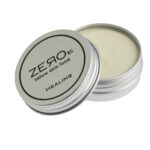
Zinc-oxide-supports-skin-health-and-healing - Zinc-oxide-puts-zinc-at-the-heart-of-food-supply-and-human-health_approved
Zinc-oxide-puts-zinc-at-the-heart-of-food-supply-and-human-health_approved