As utilities modernise their networks to meet growing demand and increasing complexity, the digital substation has become a cornerstone of next-generation grid infrastructure. But what exactly makes a substation digital, and how does it transform day-to-day operations?
At the heart of the digital substation lies a fundamental shift in the move from analogue, hardware-intensive systems to software-driven, data-centric architectures.
Replacing copper with fibre
One of the defining features of a digital substation is the implementation of a process bus, based on the IEC 61850 standard. This enables the replacement of thousands of traditional copper signaling wires with fiberoptic communication networks.
Instead of transmitting electrical signals through physical connections, data is digitised at the source and communicated across the substation via a secure, standardised network. This dramatically simplifies wiring, reduces installation time, and enhances system flexibility.
“The shift from copper to fibre is more than a technical upgrade,” says Mohamed Hosseiny, Oversight Country Managing Director for Africa at Hitachi Energy. “It fundamentally improves how information flows across the substation, enabling faster response times and more efficient operations.”
The role of the process bus
The process bus acts as the backbone of the digital substation, connecting high-voltage equipment in the switchyard to protection and control systems in the control room.
Through this architecture, real-time measurement data and status information can be shared seamlessly across devices, eliminating the need for complex point-to-point wiring.
This not only improves performance but also supports interoperability between different vendors, ensuring that utilities can build flexible, future-proof systems.
Bridging legacy and digital systems
A key challenge for many utilities is how to modernise existing substations without replacing all installed equipment. This is where solutions such as Hitachi Energy’s SAM600 process bus I/O system play a critical role.
SAM600 enables conventional instrument transformers and legacy equipment to integrate with modern digital systems, effectively bridging the gap between analogue and digital environments.
“Utilities do not need to start from scratch,” highlights Hosseiny. “With solutions like SAM600, they can modernise incrementally, upgrading performance and safety while protecting existing investments.”
Enhancing safety and reducing downtime
By digitising current and voltage signals and transmitting them via optical fibres, digital substations significantly reduce the risks associated with handling high-voltage circuits.
At the same time, modular and pre-tested systems streamline installation and commissioning, reducing outage times during upgrades or maintenance.
Continuous monitoring of substation components also enables predictive maintenance, allowing operators to identify and address potential issues before they lead to failures.
Data-driven performance and asset management
Digital substations generate vast amounts of data, from equipment health metrics to real-time operational conditions. Advanced asset management systems can analyse this data to optimise performance, improve maintenance planning, and extend the lifespan of critical infrastructure.
These capabilities are particularly valuable in environments where reliability is paramount, and unplanned outages carry significant economic and social costs.
Future-ready infrastructure
With the ability to process millions of data points and support rapid data exchange across the grid, digital substations are designed to meet both current and future demands.
They provide the foundation for advanced applications such as remote operation, automated fault detection, and integration with broader smart grid ecosystems.
“Digital substations are not just about today’s challenges,” concludes Hosseiny. “They are about preparing utilities for the future, enabling smarter, more resilient and more sustainable energy systems.”
-

Mohamed-Hosseiny-Oversight-Country-Managing-Director-for-Africa-at-Hitachi-Energy-1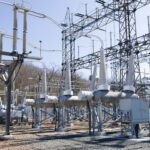
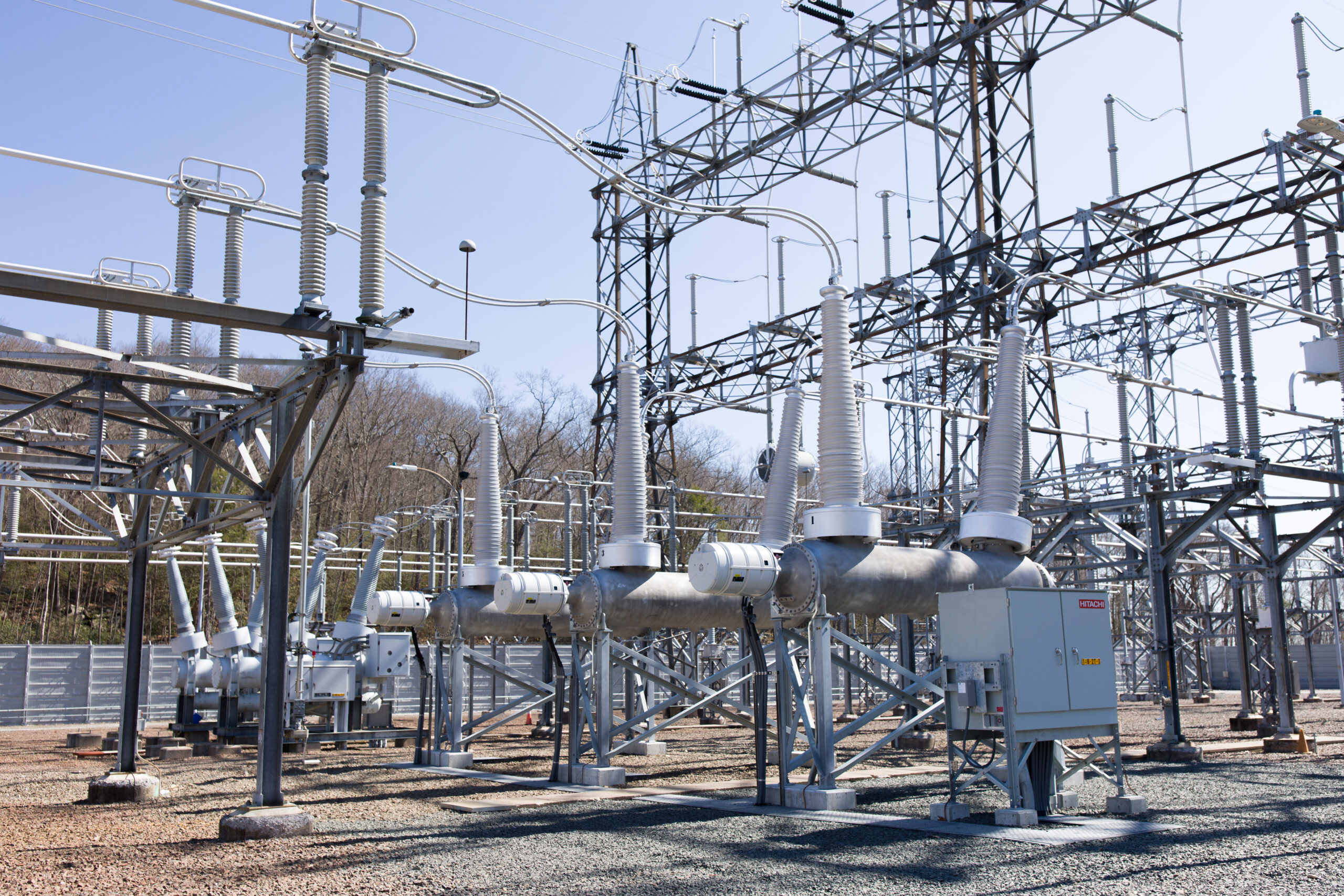
Digital-substation-technology-enables-real-time-data-exchange-and-more-efficient-grid-operations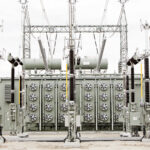
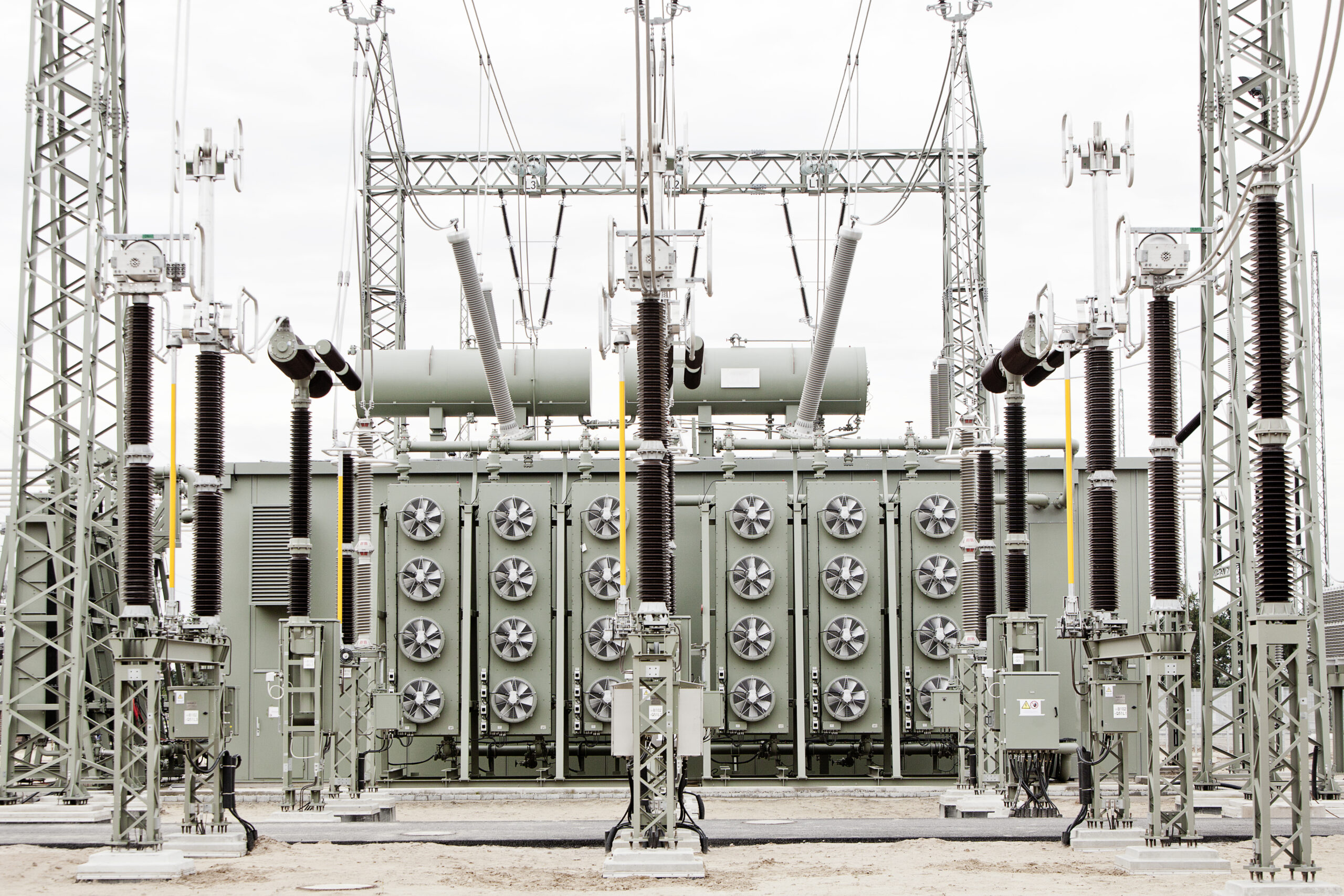
Digital-substations-support-smarter-more-resilient-grid-infrastructure-through-advanced-monitoring-and-automation - How-utilities-are-modernising-grid-infrastructure-with-digital-substations_approved
How-utilities-are-modernising-grid-infrastructure-with-digital-substations_approved