From holiday travel and family celebrations to braais and summer storms, South Africans are urged to take precautions against preventable fires this Festive Season.
The Festive Season is traditionally a time for travel, family gatherings and entertaining outdoors. However, as households become busier and many properties are left unattended for extended periods, fire risks can easily be overlooked. ASP Fire is encouraging South Africans to make fire prevention part of their holiday preparations, protecting their families, homes and property against avoidable fire incidents.
While Festive-Season activities often involve additional electrical equipment, cooking appliances, open flames and gas installations, a few basic precautions can significantly reduce the likelihood of a fire, comments Michael van Niekerk, CEO of ASP Fire.
“People tend to associate fire risks with major industrial incidents, but many residential fires start with everyday activities and equipment. An overloaded electrical socket, an unattended braai, an incorrectly stored gas cylinder or a faulty festive light installation can have serious consequences. The important thing is to recognise these risks before they develop into emergencies,” notes van Niekerk.
Electrical safety starts with preparation
Electrical equipment is a common source of household fires, particularly during a period when homes are filled with additional lighting, entertainment equipment and cooking appliances. Decorative lights, extension leads and multi-plugs can place additional demands on electrical installations, especially when several appliances are connected to the same outlet.
Homeowners should avoid overloading sockets and using damaged extension leads, plugs or cables. Festive lights should be checked for frayed wiring, cracked fittings and damaged connections before being switched on. Lights should also be switched off when leaving the house or going to bed, unless specifically designed and installed for unattended operation.
Van Niekerk recommends unplugging non-essential appliances before leaving home for an extended period. This includes televisions, computers, kitchen appliances and other equipment that does not need to remain operational. Electrical installations showing signs of faults, such as repeatedly tripping circuit breakers, flickering lights or burning smells, should be inspected by a suitably registered electrician.
South African electrical installations are governed by the Electrical Installation Regulations, 2009, under the Occupational Health and Safety Act, together with the applicable requirements of SANS 10142-1, The Wiring of Premises. Homeowners should ensure that electrical work is undertaken by appropriately registered contractors and that the required Certificate of Compliance (CoC) is in place.
“Electrical safety should never be treated as an afterthought. A CoC is not simply a document required during a property transaction. It is an important part of ensuring that an installation has been inspected and tested for compliance. If homeowners have concerns about their electrical systems, they should address these before the holiday period rather than risk a potentially dangerous failure while the property is occupied or unattended,” explains van Niekerk.
Braais, gas cylinders and outdoor entertaining
South Africans embrace outdoor entertaining during the summer holidays, but braais, fire pits and gas appliances require careful handling. Open flames should never be left unattended, particularly when children and pets are present. Braais should be positioned away from combustible materials, dry vegetation, wooden structures and outdoor furniture.
Flammable liquids such as petrol should never be used to ignite or accelerate a braai fire. Once finished, coals and embers must be properly extinguished and allowed to cool before being discarded.
Gas appliances also require attention. LPG cylinders should be in good condition, stored upright in well-ventilated areas and kept away from ignition sources and combustible materials. Connections, regulators and hoses should be checked for signs of wear or damage. Any suspected leak must be treated seriously. If gas is smelled, shut off the supply if it is safe to do so, avoid operating electrical switches or creating sparks, move people away from the area and contact the appropriate emergency services.
Domestic LPG installations must comply with the applicable requirements of SANS 10087-1, which covers the handling, storage, distribution and maintenance of LPG installations. Gas installations should be undertaken and maintained by suitably qualified, registered gas practitioners.
“Gas is a convenient energy source, particularly when families are entertaining or using outdoor cooking facilities, but it must be treated with respect. Never attempt to modify a gas installation or repair a leaking connection yourself. Use approved equipment and qualified installers and ensure that cylinders are stored and used in accordance with the relevant safety requirements,” urges van Niekerk.
Protect your home before going on holiday
For households travelling over December, fire prevention should form part of the final pre-departure checklist. Unplug non-essential electrical equipment, switch off appliances that do not need to remain operational and ensure that gas supplies to unused appliances are closed.
Homeowners should also inspect their properties for potential fire hazards. Dry leaves, branches and other combustible vegetation should be cleared away from buildings, particularly in areas vulnerable to veld and wildfires. Flammable materials should be stored safely, away from heat sources and potential ignition points.
Smoke detection is another important consideration. Working smoke detectors provide early warning of a developing fire, giving occupants valuable time to respond and evacuate. Homeowners should test their detectors, check batteries where applicable and ensure that alarm systems are properly maintained.
Where possible, detection systems can be linked to monitored security services to provide alerts when a property is unoccupied. It is also recommended informing a trusted neighbour or house sitter of travel arrangements and ensuring that someone knows how to access the property in an emergency.
“Leaving a home unattended does not mean leaving its safety to chance. A neighbour or house sitter should know where the main electrical distribution board and gas shut-off valves are located, how to contact the relevant emergency services and what to do if smoke or flames are detected. Early reporting can make a significant difference in limiting damage,” says van Niekerk.
Be prepared for an emergency
Fire prevention is essential, but households should also know how to respond if an incident occurs. Families should have an evacuation plan, identify safe exit routes and agree on an outdoor meeting point. Children should be taught how to respond to a fire and why they should never hide or attempt to retrieve personal belongings.
Where appropriate, a suitable, correctly maintained fire extinguisher should be available and household members should understand how to use it safely. However, an extinguisher should only be used on a small, contained fire where the person has a safe escape route. If a fire spreads, produces significant smoke or cannot be controlled immediately, occupants should evacuate and call the fire service. Nobody should put themselves at risk attempting to save property.
The National Building Regulations, through Part T of SANS 10400, establish requirements for fire protection in buildings, including occupant safety, evacuation, limiting fire spread and providing appropriate fire detection and firefighting measures. While these requirements address building design and fire protection, they reinforce the importance of having suitable fire safety provisions in place.
“Fire safety is about more than having an extinguisher on the wall. It requires an understanding of the risks, appropriate equipment, regular maintenance and knowing what action to take when something goes wrong. Prevention and early detection remain the most effective ways of limiting the impact of a fire,” stresses van Niekerk.
“ASP Fire encourages homeowners to use the Festive Season as an opportunity to review their fire safety arrangements, from electrical and gas installations to detection equipment and emergency preparedness. With a little planning and greater awareness, South Africans can reduce unnecessary risks and enjoy a safer holiday season,” he concludes.
Ends
Connect with ASP Fire on Social Media to receive the company’s latest news
LinkedIn: https://www.linkedin.com/company/asp-fire-pty-ltd/
Notes to the Editor
To download hi-res images for this release, please visit http://media.ngage.co.za and click the ASP Fire link to view the company’s press office.
About ASP Fire
ASP Fire operates across the entire African continent from its Gauteng base, providing professional, accredited fire risk management and support to its clients. ASP Fire designs, installs, and maintains a full range of fire detection and suppression equipment suited to clients’ needs. ASP Fire provides a holistic, proactive, and preventative fire solution based on integrated fire risk assessment, training, and consulting, with the installation and maintenance of fire detection and suppression systems that meet SABS, NFPA, FPASA, and SAQCC standards.
ASP Fire Contact
Michael van Niekerk
ASP Fire
CEO
Phone: +27 (0) 11 452 2169
Cell: +27 (0) 83 779 1701
Fax: +27 (0) 86 505 1030
Email: michael@aspfire.co.za
Web: www.aspfire.co.za
Media Contact
Thobile Ndlovu
Senior Account Executive
NGAGE Public Relations
Phone: (011) 867-7763
Cell: 073 574 2931
Email: thobile@ngage.co.za
Web: www.ngage.co.za
Browse the NGAGE Media Zone for more client press releases and photographs at http://media.ngage.co.za
-
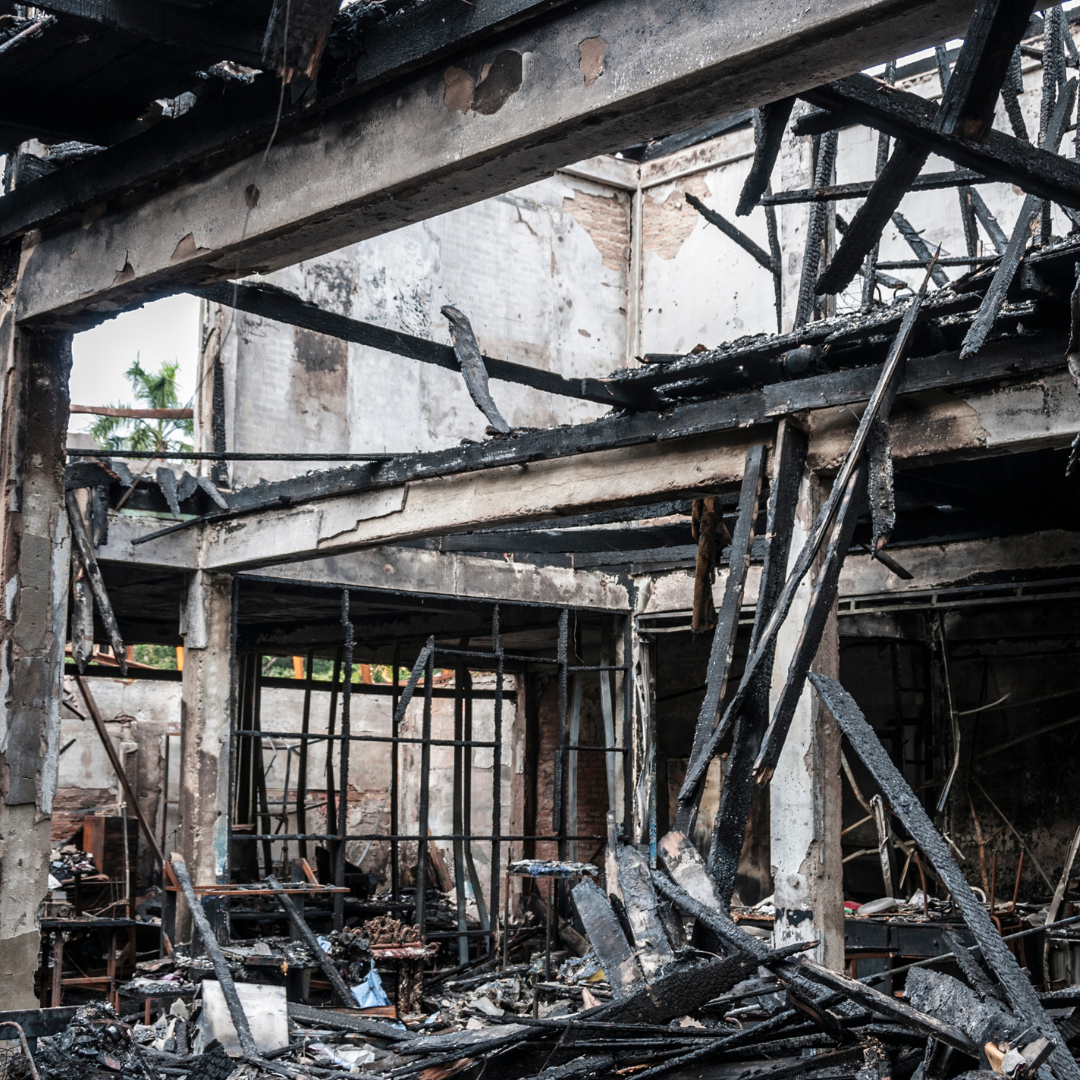
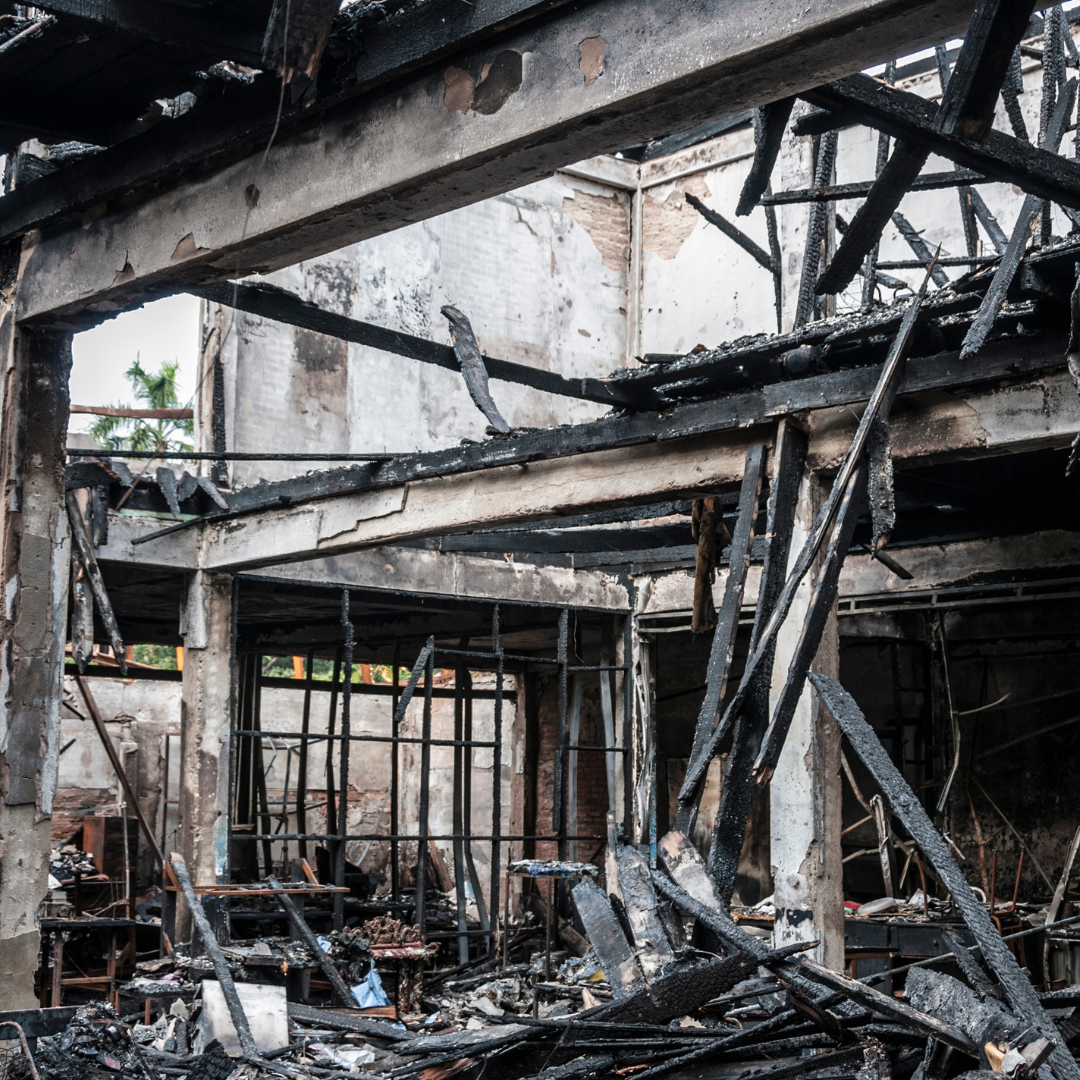
Fire damage can have devastating consequences
Michael van Niekerk, CEO of ASP Fire - Make fire safety part of your Festive Season plans_approved
Make fire safety part of your Festive Season plans_approved