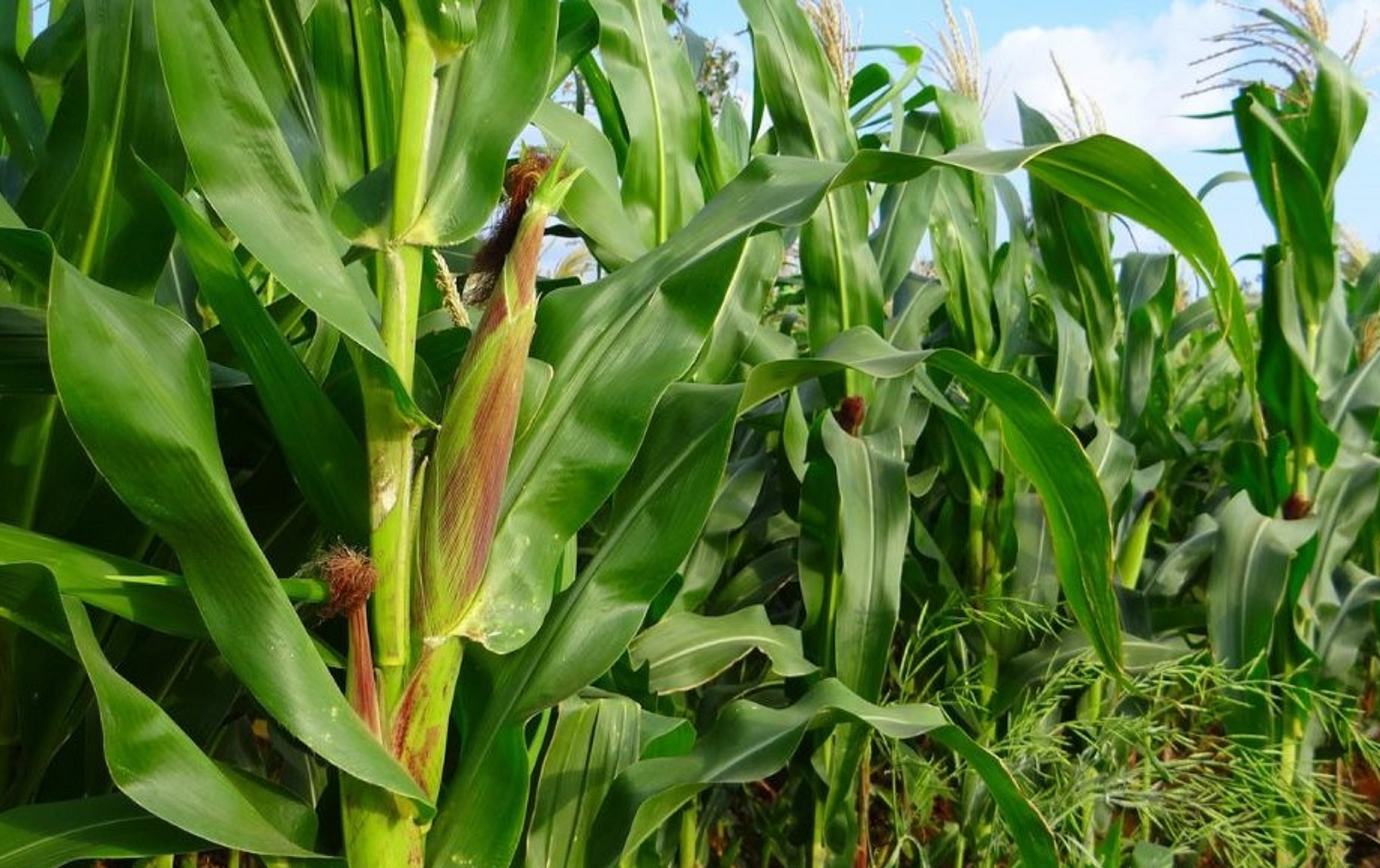
With NAMPO Harvest Day 2025 taking place from 13 to 16 May, the International Zinc Association (Africa) is promoting the use of zinc fertilisers to address critical soil deficiencies, enhancing crop yields, and contributing to food security.
“Zinc is a vital micronutrient that plays an indispensable role in crop growth and development,” says IZA Africa Director Simon Norton. “In Africa, where nutrient-poor soils are a common challenge, zinc fertilisers are a powerful tool to improve agricultural productivity and ensure the sustainability of our food systems.”
The journey of zinc fertilisers begins with raw materials such as zinc sulphate, zinc oxide, and chelated zinc compounds. These are derived from mined zinc ores or recycled industrial by-products. The manufacturing process involves blending zinc with other nutrients, granulating the mixture into uniform pellets, and drying and packaging the final product.
“Zinc fertilisers are carefully engineered to maximise their efficiency and ease of use,” explains Norton. “The granules are designed for even distribution and optimal absorption, ensuring that plants get the nutrients they need to thrive.” Surfactants ensure that the zinc ion reaches the right place in the soil to enhance crop growth.
Zinc fertilisers can be applied using several techniques, each tailored to specific farming needs. Broadcast application is ideal for large fields, ensuring uniform distribution but requiring careful management to minimise nutrient loss. Band application is placing zinc fertilisers near plant roots to increase availability and reduce the quantity required.
Quick and effective foliar sprays are often used to address zinc deficiencies in crops showing visible symptoms. Seed coating involves treating seeds with zinc before planting to ensure seedlings have immediate access to this crucial nutrient. Fertigation delivers zinc through irrigation systems for precise control over nutrient delivery.
“Each method has its advantages,” notes Norton. “The choice depends on the crop, soil conditions, and the farmer’s specific goals.” Zinc fertilisers are particularly effective in improving the growth and yield of a range of crops.
Cereals such as wheat, rice, and maize benefit from zinc’s role in grain filling and root development. Legumes, including beans and lentils, experience enhanced nitrogen fixation and improved seed quality. Vegetables and fruits, from tomatoes to citrus, see improvements in yield, quality, and disease resistance. Oilseeds and tubers like soybeans and potatoes gain better growth and resilience.
“Zinc is not just about increasing yield; it is about ensuring the nutritional quality of our food,” stresses Norton. “This is critical in Africa, where zinc deficiency in soils can directly impact human health.”
Addressing zinc deficiencies in African soils has implications beyond agriculture. “Zinc is essential for human nutrition. Ensuring our crops have adequate zinc levels contributes to healthier communities and combats issues like malnutrition and stunted growth.”
Norton also highlights the role of zinc fertilisers in building resilience against climate change. “Healthy, zinc-enriched crops are more resistant to stresses like drought and pests, making zinc a cornerstone of sustainable farming,” he concludes.
Organised by Grain SA, and taking place at NAMPO Park just outside Bothaville in the Free State, the event is one of the largest agricultural exhibitions under private ownership in the Southern Hemisphere, attracting over 82 000 visitors and more than 920 exhibitors from various sectors of the agricultural industry.
Ends
Connect with the International Zinc Association on social media to receive its latest news.
Facebook: https://bit.ly/3uNP5w7
LinkedIn: https://bit.ly/3uNSAmb
Notes to the Editor
To download hi-res images for this news article, please visit http://media.ngage.co.za and click the International Zinc Association link to view the company’s press office.
About the International Zinc Association (IZA)
The IZA is the only global industry association dedicated exclusively to the interests of zinc and its users. Operating internationally and locally in Africa through the IZA Africa Desk, the IZA helps sustain the long-term global demand for zinc and its markets by promoting such key end uses as corrosion protection for steel and zinc as essential in human health and crop nutrition. IZA’s main programmes are Zinc Use Research, Sustainability & Environment, Technology & Market Development and technical Communications.
In South Africa, the IZA plays a vital role in establishing the basis for the successful growth of the zinc industry by increasing awareness of zinc and its applications and benefits in key sectors and markets.
International Zinc Association Contact
Simon Norton
Director
IZA Africa
Phone: (021) 788 9980
Cell: 082 831 2924
Email: zinc@iafrica.com
Web: www.zinc.org
Media Contact
Andile Mbethe
Account Executive
NGAGE Public Relations
Phone: (011) 867-7763
Cell: 073 565 6536
Email: andile@ngage.co.za
Web: www.ngage.co.za
-

Zinc is a vital micronutrient that plays an indispensable role in crop growth and development
Zinc fertilisers can be applied using several techniques, each tailored to specific farming needs. - IZA Africa promotes zinc fertilisers to improve crop yields_approved
IZA Africa promotes zinc fertilisers to improve crop yields_approved