As warehouses grow taller, supply chains become faster and storage densities increase, fire safety has become a strategic business imperative. Michael van Niekerk, CEO of ASP Fire, explains how South African businesses can effectively manage fire risks while remaining compliant with increasingly stringent regulations.
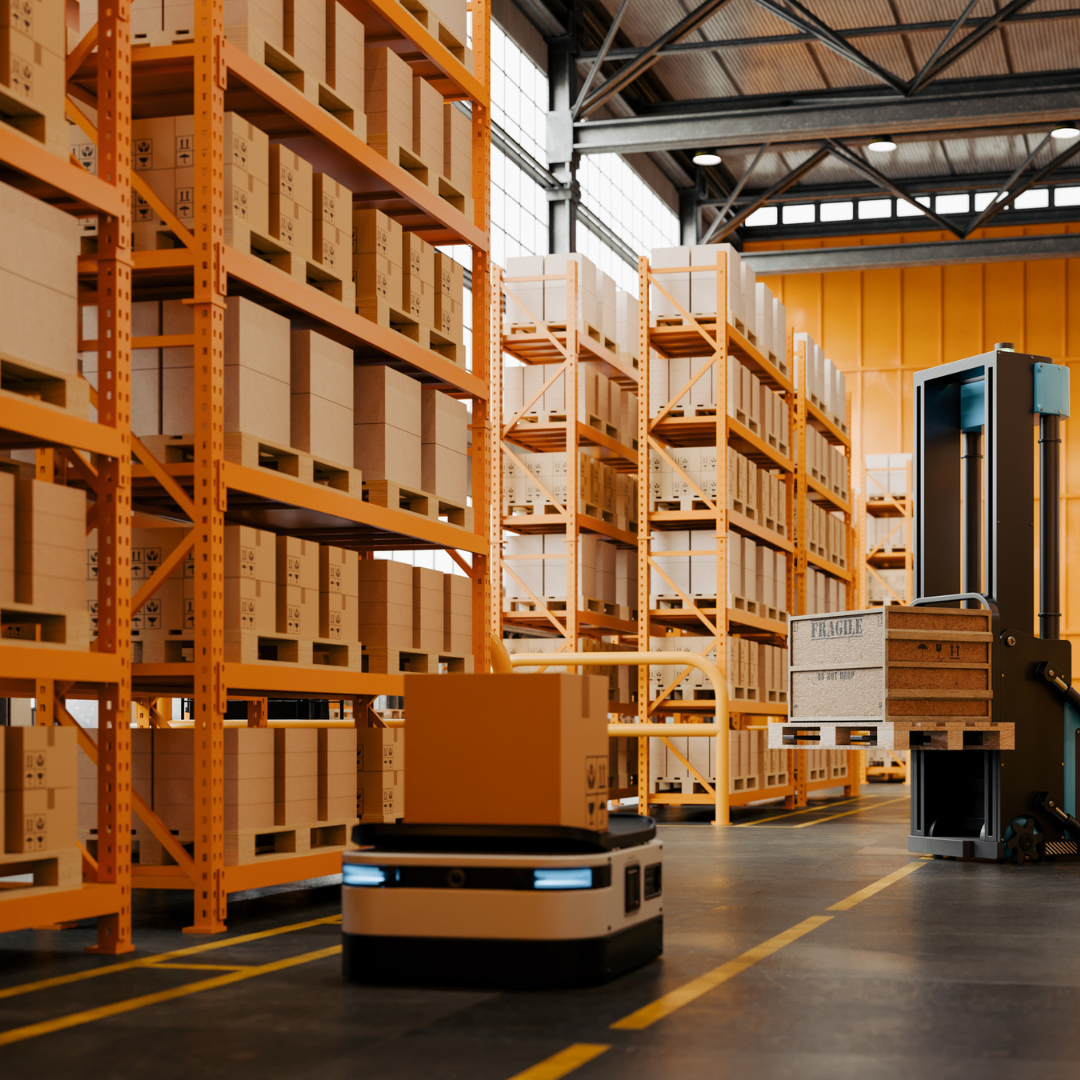
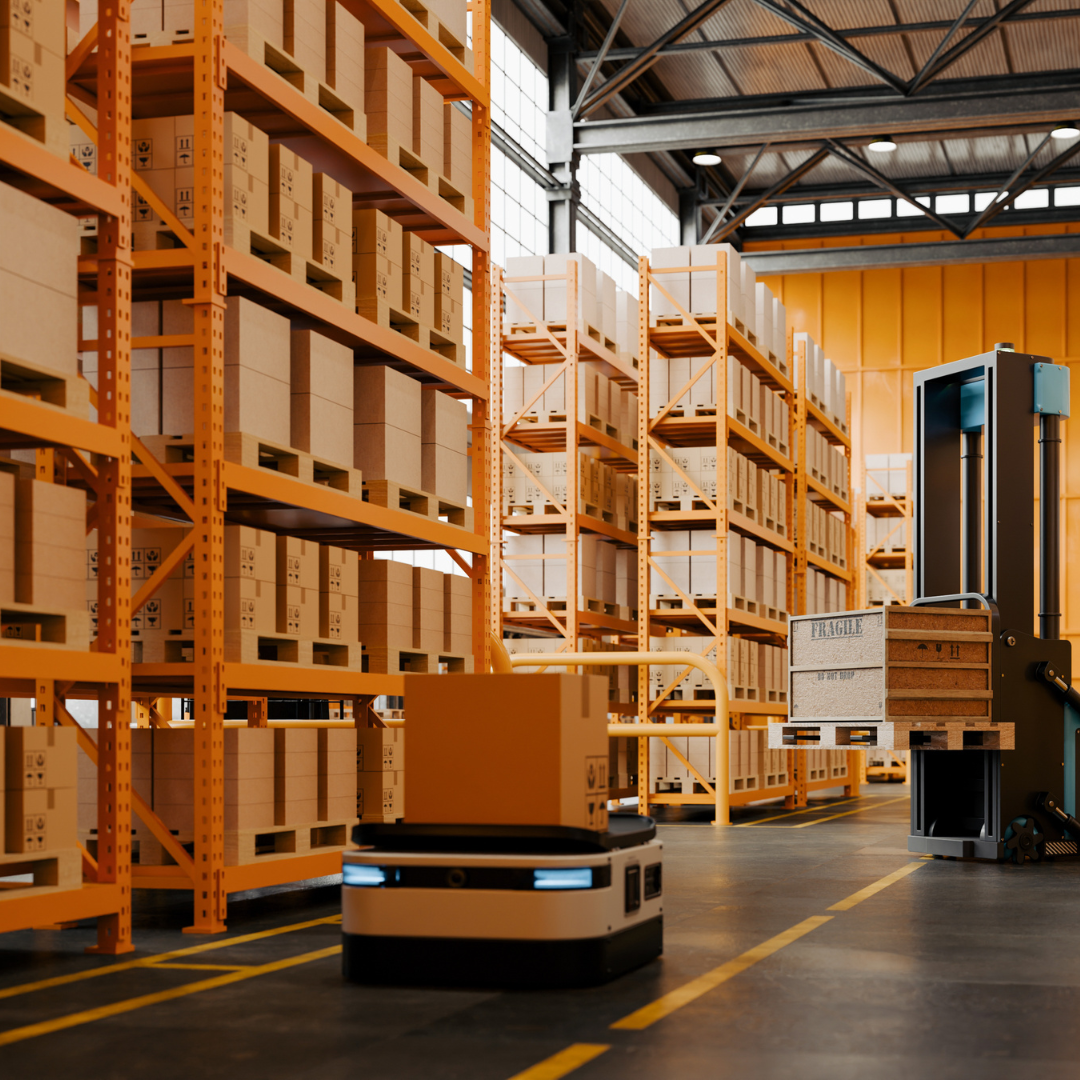
Today’s warehousing and logistics facilities bear little resemblance to the distribution centres of a decade ago. High-bay racking, automated storage and retrieval systems, lithium-ion powered material handling equipment, flammable packaging materials and around-the-clock operations have transformed warehouses into highly efficient logistics hubs. They have also created increasingly complex fire risks.
“A warehouse fire can escalate within minutes, particularly where there is high-rack storage, combustible packaging or hazardous materials,” highlights Michael van Niekerk, CEO of ASP Fire. Beyond the immediate threat to life, businesses face operational downtime, supply chain disruption, environmental damage and potentially catastrophic financial losses.
As South Africa’s logistics sector expands to support manufacturing, mining, retail and e-commerce, proactive fire protection has become an essential component of operational resilience rather than simply a regulatory obligation.
Warehousing environments present a combination of fire hazards that require specialised protection strategies. High-rack storage can significantly accelerate fire spread by creating vertical channels that allow flames and hot gases to travel rapidly through storage systems. At the same time, densely packed goods can make it difficult for fire services to reach the source of a fire before it grows beyond control.
Fire characteristics of stored goods
The nature of stored goods further influences fire behaviour. Paper products, plastics, packaging materials, chemicals, fuels, aerosols and lithium-ion batteries each present different fire characteristics that require specific suppression approaches.
Loading bays and vehicle movements also introduce additional ignition risks through diesel-powered equipment, electric forklifts, charging stations and fuel handling operations. These hazards are compounded in facilities operating continuously, where extended operating hours reduce opportunities for maintenance and inspection.
“Every warehouse has its own fire risk profile,” notes van Niekerk. “An effective fire protection solution begins with understanding exactly what is being stored, how it is stored and how people and equipment move throughout the facility.” Many warehouse fires become severe because fire protection is considered too late in the design process or treated as a compliance exercise rather than an integrated risk management strategy.
An effective fire protection system combines passive fire protection measures, such as fire-resistant construction, compartmentation and smoke control, with active systems including automatic sprinklers, fire detection, alarms and hydrant installations.
An integrated solution
“Fire protection systems should work together as an integrated solution,” explains van Niekerk. “Detection, suppression, smoke management and evacuation planning must complement one another to provide the highest level of protection.”
This integrated approach is particularly important in facilities with high ceilings, automated storage systems and large open floor areas where conventional fire protection solutions may not be sufficient. South African warehouse operators are required to comply with a comprehensive framework of legislation and technical standards governing fire safety.
These include the Occupational Health and Safety Act (Act 85 of 1993), which places a legal duty on employers to provide and maintain a safe working environment, as well as the National Building Regulations and Building Standards Act, with fire protection requirements implemented through SANS 10400-T.
Depending on the facility and materials handled, additional standards such as SANS 10287 (automatic sprinkler installations), SANS 10139 (fire detection and alarm systems), SANS 10263 (warehousing of dangerous goods) and SANS 10228 (classification and transport of dangerous goods) may also apply. Local municipal fire by-laws further influence compliance requirements.
Compliance is not the finish line
“Compliance should never be viewed as the finish line,” adds van Niekerk. “Standards establish minimum requirements, but every facility should evaluate whether those minimums adequately address its specific operational risks.”
Installing fire protection systems is only the beginning. Regular inspection, testing and maintenance ensure that systems perform as intended during an emergency. Sprinkler systems, fire pumps, hydrants, smoke detection equipment, fire extinguishers and emergency lighting all require routine servicing by competent personnel.
Changes to warehouse layouts, storage heights or the types of products being stored should also trigger a review of the facility’s fire protection strategy. “Warehouses are dynamic environments,” notes van Niekerk. “Storage configurations change, inventory changes and operations evolve. Fire protection systems must evolve with them.”
Employee training remains equally important. Workers should understand emergency procedures, evacuation routes, fire extinguisher use and incident reporting protocols to support rapid response during the critical first minutes of an emergency.
Extensive financial consequences
For many organisations, the financial consequences of a warehouse fire extend well beyond property damage. Production interruptions, supply shortages, contractual penalties, insurance implications, reputational damage and customer dissatisfaction can have lasting impacts long after the fire has been extinguished.
“As supply chains become increasingly interconnected, a single warehouse fire can disrupt operations across multiple industries,” says van Niekerk. “Investing in appropriate fire protection is ultimately an investment in business continuity.”
Fire safety should not be viewed solely through the lens of regulatory compliance or insurance requirements. Instead, it should form part of a broader operational resilience strategy that protects employees, customers, assets and the wider supply chain.
“Effective fire protection is about being prepared before an emergency occurs,” concludes van Niekerk. “By combining sound engineering, regulatory compliance, ongoing maintenance and risk-based planning, warehouse operators can significantly reduce fire risk while safeguarding the continuity of their businesses.”
Ends
Connect with ASP Fire on Social Media to receive the company’s latest news
LinkedIn: https://www.linkedin.com/company/asp-fire-pty-ltd/
Notes to the Editor
To download hi-res images for this release, please visit http://media.ngage.co.za and click the ASP Fire link to view the company’s press office.
About ASP Fire
ASP Fire operates across the entire African continent from its Gauteng base, providing professional, accredited fire risk management and support to its clients. ASP Fire designs, installs, and maintains a full range of fire detection and suppression equipment suited to clients’ needs. ASP Fire provides a holistic, proactive, and preventative fire solution based on integrated fire risk assessment, training, and consulting, with the installation and maintenance of fire detection and suppression systems that meet SABS, NFPA, FPASA, and SAQCC standards.
ASP Fire Contact
Michael van Niekerk
ASP Fire
CEO
Phone: +27 (0) 11 452 2169
Cell: +27 (0) 83 779 1701
Fax: +27 (0) 86 505 1030
Email: michael@aspfire.co.za
Web: www.aspfire.co.za
Media Contact
Thobile Ndlovu
Senior Account Executive
NGAGE Public Relations
Phone: (011) 867-7763
Cell: 073 574 2931
Email: thobile@ngage.co.za
Web: www.ngage.co.za
Browse the NGAGE Media Zone for more client press releases and photographs at http://media.ngage.co.za
-

As-warehouses-become-taller-smarter-and-more-automated-fire-risks-are-becoming-increasingly-complex-1
Michael-van-Niekerk-CEO-of-ASP-Fire - Fire-safety-in-warehousing-and-logistics-protects-people-products-and-business-continuity_approved
Fire-safety-in-warehousing-and-logistics-protects-people-products-and-business-continuity_approved