Africa stands at a pivotal moment in its energy journey. Across the continent, governments are investing in renewable energy, expanding electricity access, and pursuing industrialisation strategies that depend on reliable, affordable power. Yet while much attention is rightly focused on generation capacity, a less visible challenge threatens to slow progress: the resilience and readiness of the electricity grid itself.
The global energy transition is driving unprecedented demand for electricity infrastructure. As economies electrify transport, industry, and buildings, and as renewable generation expands rapidly, power grids are becoming the backbone of economic development. However, the technologies that make these grids possible, from transformers to switchgear, transmission equipment and high-voltage cables, are facing growing supply-chain pressures worldwide.
Longer lead times for critical equipment
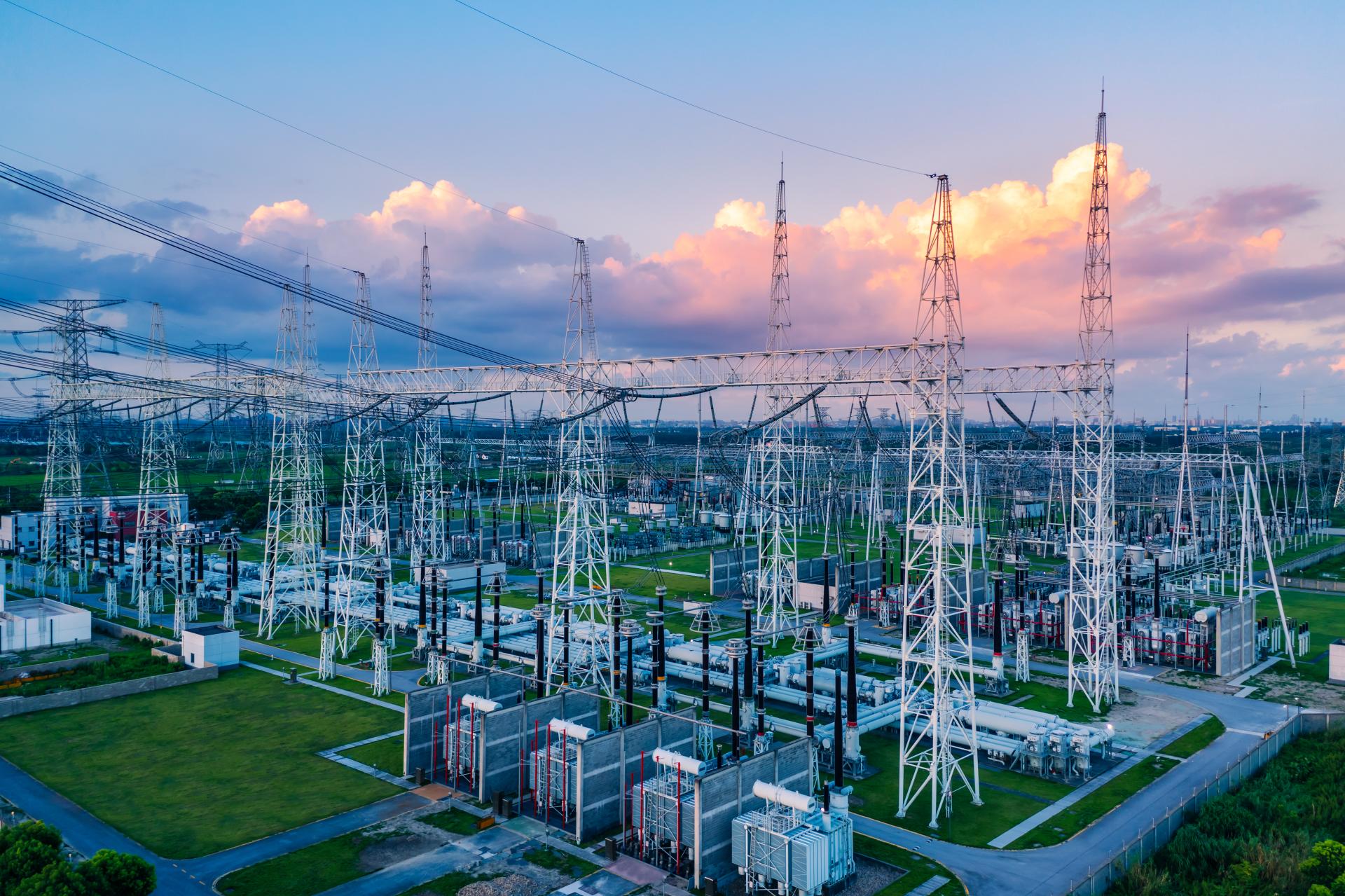
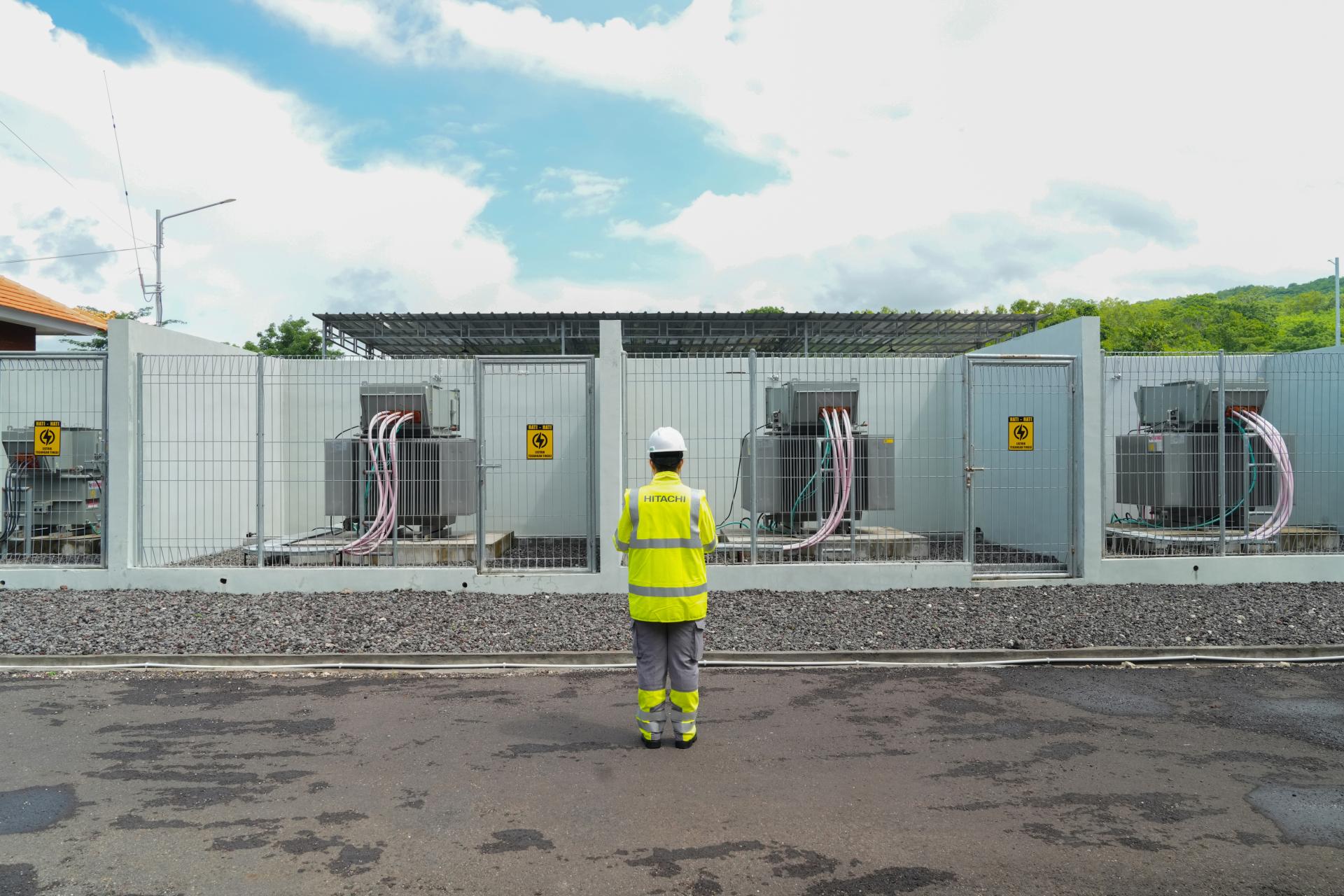
Demand for grid technologies has increased faster than manufacturing capacity, resulting in longer lead times for critical equipment and growing competition for essential materials, such as copper, aluminium and electrical steel. At the same time, logistics challenges and shortages of specialised technical skills are creating additional bottlenecks throughout the value chain. These trends are being experienced globally, but their implications for Africa are particularly significant.
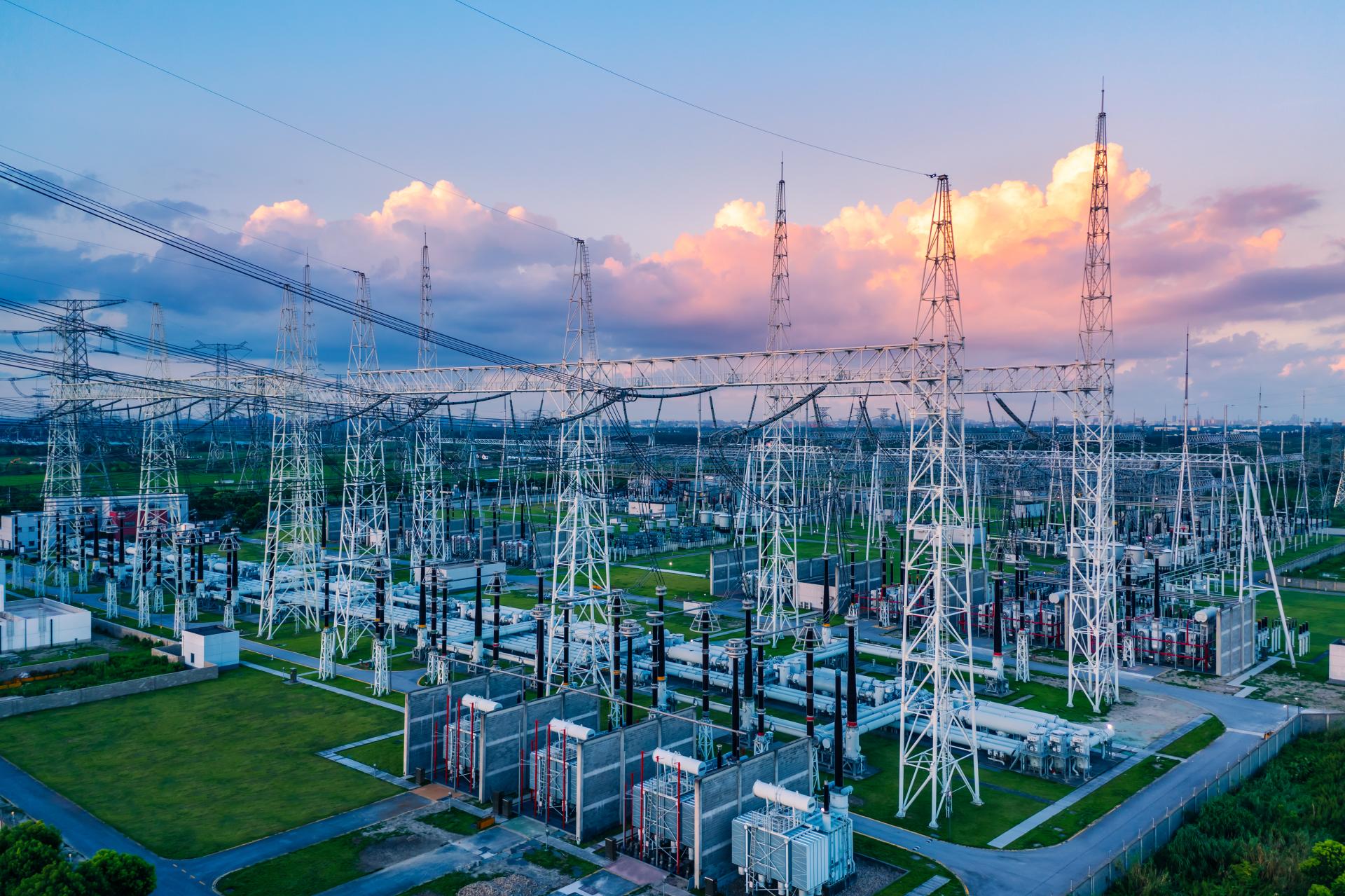
For many African countries, electricity demand is expected to grow strongly over the coming decades as populations increase, urbanisation accelerates, and economies expand. Unlike many mature markets that are primarily focused on replacing ageing infrastructure, Africa must often pursue expansion and modernisation simultaneously. The continent needs new transmission lines, upgraded substations, stronger distribution networks, and increased interconnection between countries to unlock the full potential of its energy resources.
Africa continues to develop renewable energy
This is especially important as Africa continues to develop its vast renewable energy potential. From solar resources in North and Southern Africa to hydroelectric capacity in Central Africa and wind resources across several regions, the continent possesses many of the ingredients required for a low-carbon energy future. However, renewable energy projects can only deliver their full value when supported by robust transmission and distribution networks capable of moving electricity efficiently from where it is generated to where it is needed.
The challenge is not simply one of infrastructure investment. It is also a question of planning, supply-chain resilience, and long-term collaboration. One of the most important lessons emerging globally is the need for longer-term, integrated planning. Grid development requires years of preparation, engineering, and manufacturing. Utilities, regulators, policymakers, and technology providers must therefore work together with greater visibility into future demand.
Identifying infrastructure requirements
When infrastructure requirements are clearly identified and communicated, manufacturers can invest with greater confidence in the production capacity needed to support future growth. Africa also has an opportunity to strengthen regional resilience by encouraging local manufacturing and skills development where economically viable. While no country can realistically localise every aspect of a complex grid technology supply chain, expanding regional industrial capabilities can reduce vulnerability to external disruptions while creating employment and supporting economic development.
Equally important is investment in people. Building and operating modern electricity networks requires specialised engineers, technicians and skilled trades. Developing these capabilities through partnerships between industry, universities and technical training institutions will be essential for sustaining the continent’s long-term energy ambitions.
Energy security and grid resilience
The discussion around energy security is often framed in terms of fuel supply. Increasingly, however, grid resilience must be viewed as a strategic priority in its own right. Without reliable access to critical grid technologies, the pace of electrification, industrial growth and renewable energy deployment could be constrained. Africa’s energy transition is not simply about generating more electricity. It is about building an infrastructure ecosystem that enables economic growth, improves quality of life and supports sustainable development for generations to come.
The continent has an opportunity to leapfrog traditional development pathways and build modern, flexible, and resilient power systems. Achieving this vision will require coordinated planning, investment in skills, supportive policy frameworks and stronger supply chains that can deliver the technologies needed at the scale and speed required. The future of Africa’s energy transition will be determined not only by the power we generate, but by the strength of the grids that connect it to people, businesses and industries across the continent.
About Hitachi Energy
Hitachi Energy is a global leader in electrification, powering the electricity era to meet the energy demands of today, and the next 25 years. As the energy arm of Hitachi Group, over three billion people depend on our pioneering, mission-critical technologies to power their daily lives. With over a century of innovation, we are addressing the most urgent energy challenge of our time: driving the evolution of the world’s energy system to ensure abundant, secure, affordable, and sustainable power for today’s generation and the next. With an unparalleled installed base in over 140 countries, we are the grid ecosystem partner across the utility, industry, data center, and transportation sectors. Headquartered in Switzerland, we employ over 56,000 people in 60 countries and generate revenues of around $20 billion USD.
https://www.linkedin.com/company/hitachienergy
About Hitachi, Ltd.
Through its Social Innovation Business (SIB) that brings together IT, OT (Operational Technology) and products, Hitachi aims to be a global leader in continuously transforming social infrastructure through digital, contributing to a harmonized society where the environment, wellbeing, and economic growth are in balance. Hitachi operates worldwide across four sectors – Digital Systems & Services, Energy, Mobility, and Connective Industries – as well as a Strategic SIB Business Unit focused on new growth areas. With Lumada at its core, Hitachi creates value by combining data, technology and domain knowledge to solve customer and social challenges. Revenues for FY2025 (ended March 31, 2026) totaled 10,586.7 billion yen, with 606 consolidated subsidiaries and approximately 290,000 employees worldwide. Visit us at www.hitachi.com.
-

Advanced-grid-monitoring-helps-build-more-resilient-and-reliable-electricity-networks
Mohamed-Hosseiny-Oversight-Country-Managing-Director-for-Africa-at-Hitachi-Energy
Reliable-grid-infrastructure-is-essential-to-powering-Africas-energy-transition-1
Transmission-infrastructure-is-key-to-delivering-reliable-electricity-where-it-is-needed-most - Electricity-security-is-a-strategic-imperative-for-Africas-growth-and-industrial-future_-approved
Electricity-security-is-a-strategic-imperative-for-Africas-growth-and-industrial-future_-approved