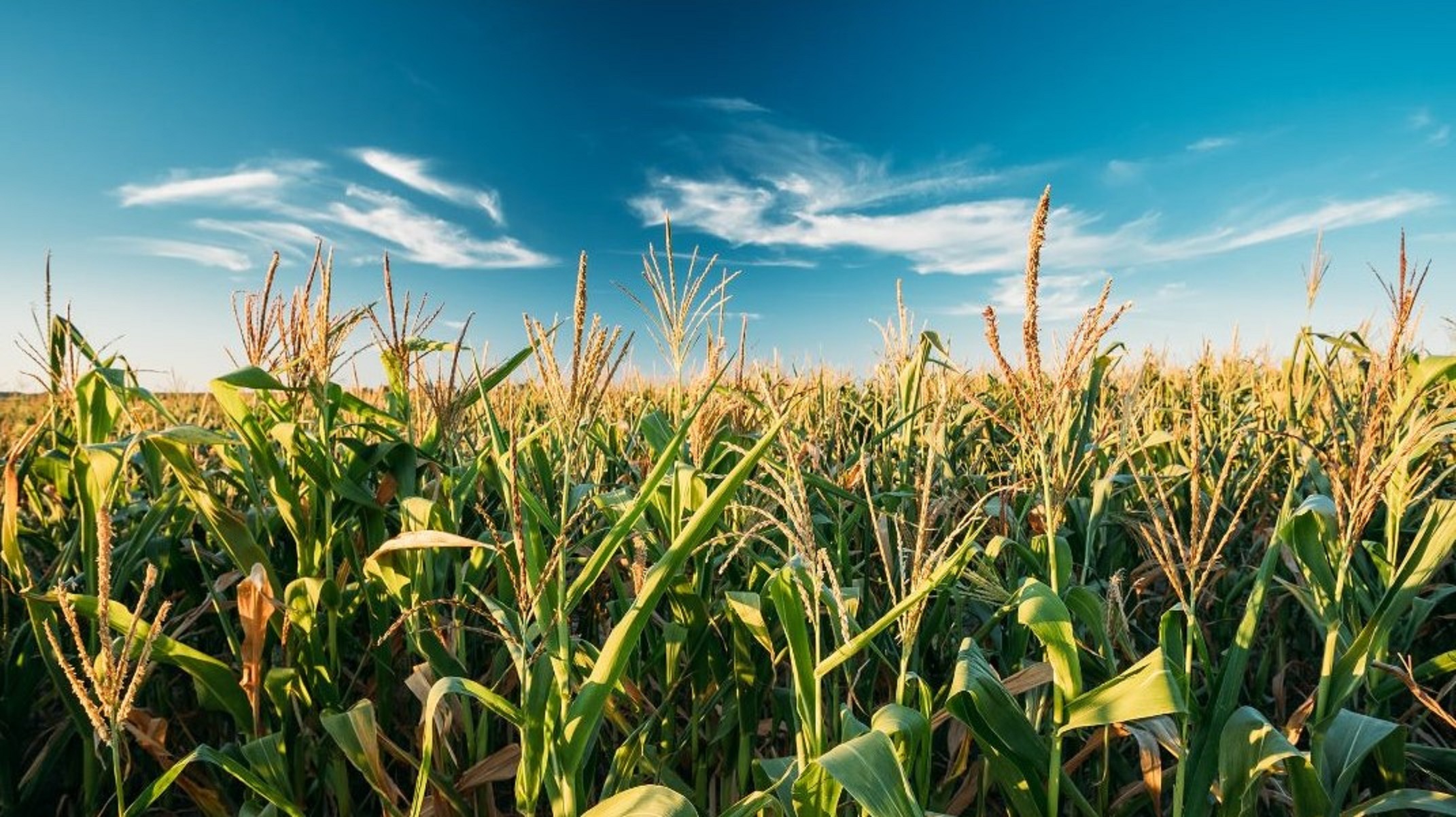
29 January 2025: Enhancing agricultural productivity and bolstering food security across Africa relies on the critical interplay between auxins and zinc in plant growth and development. Simon Norton, Director for the International Zinc Association Africa (Africa), highlights the indispensable roles these two elements play in cultivating healthier, more productive crops.
“Auxins are fundamental plant hormones that regulate growth and development, influencing everything from root formation to fruit set,” explains Norton. “What many might not realise is the vital role zinc plays in auxin synthesis and transport. Without sufficient zinc, plants cannot produce or effectively utilize auxins, leading to stunted growth and poor crop yields.”
Auxins are mainly responsible for cell elongation and division, apical dominance, root development, and fruit formation. Produced at the growing tips of plants, these hormones travel throughout the plant, orchestrating various growth processes. Norton explains that auxins are particularly crucial for root development and nutrient absorption, key factors in sustaining robust crops.
“Healthy root systems, stimulated by auxins, allow plants to access water and nutrients more efficiently,” he notes. “This becomes especially important in Africa, where erratic rainfall and nutrient-depleted soils challenge farmers daily.”
Zinc’s role in agriculture extends far beyond its function as a micronutrient. It is a cofactor for enzymes that synthesise indole-3-acetic acid (IAA), the main natural auxin in plants. Norton stresses that zinc deficiencies can have cascading effects on plant health, including impaired auxin production, weakened root systems, and diminished stress tolerance.
“Zinc is crucial not just for auxin synthesis but also for the proper functioning of auxin transport proteins,” notes Norton. “These proteins ensure that auxins reach the parts of the plant where they are needed most, facilitating optimal growth even under challenging conditions.”
The synergy between auxins and zinc offers practical applications for farmers across Africa. By integrating zinc supplementation into soil management practices, farmers can ensure adequate auxin levels in crops, leading to improved growth, resilience, and yield. Norton underscores the importance of addressing zinc deficiencies in African soils to unlock the full potential of auxin-driven growth.
“By investing in zinc-enriched fertilisers and adopting practices that enhance auxin activity, we can significantly boost crop productivity,” he says. “This is not just about increasing yields; it is about ensuring sustainable food security for communities across the continent.”
As Africa strives to meet the growing demand for food amidst population growth and climate challenges, understanding and leveraging the relationship between auxins and zinc could prove pivotal. Norton calls on stakeholders in the agricultural sector to prioritize research, education, and the implementation of zinc-enriched solutions to drive a green revolution across the continent.
“With auxins and zinc working in harmony, we have the tools to transform agriculture in Africa. The result will be healthier plants, higher yields, and a stronger foundation for food security,” concludes Norton.
Ends
Connect with the International Zinc Association on social media to receive its latest news.
Facebook: https://bit.ly/3uNP5w7
LinkedIn: https://bit.ly/3uNSAmb
Notes to the Editor
To download hi-res images for this news article, please visit http://media.ngage.co.za and click the International Zinc Association link to view the company’s press office.
About the International Zinc Association (IZA)
The IZA is the only global industry association dedicated exclusively to the interests of zinc and its users. Operating internationally and locally in Africa through the IZA Africa Desk, the IZA helps sustain the long-term global demand for zinc and its markets by promoting such key end uses as corrosion protection for steel and zinc as essential in human health and crop nutrition. IZA’s main programmes are Zinc Use Research, Sustainability & Environment, Technology & Market Development and technical Communications.
In South Africa, the IZA plays a vital role in establishing the basis for the successful growth of the zinc industry by increasing awareness of zinc and its applications and benefits in key sectors and markets.
International Zinc Association Contact
Simon Norton
Director
IZA Africa
Phone: (021) 788 9980
Cell: 082 831 2924
Email: zinc@iafrica.com
Web: www.zinc.org
Media Contact
Rachel Mekgwe
Senior Account Executive
NGAGE Public Relations
Phone: (011) 867-7763
Cell: 074 212 1422
Email: rachel@ngage.co.za
Web: www.ngage.co.za
-

Simon Norton, Director of the International Zinc Association (IZA) Africa
Simon Norton, Director of the International Zinc Association (IZA) Africa
Simon Norton, Director of the International Zinc Association (IZA) Africa
The role auxins and zinc play in plant growth and development
The role auxins and zinc play in plant growth and development