As South Africa accelerates the adoption of renewable energy, battery storage systems, and electric vehicle charging infrastructure, organisations must address the emerging fire risks associated with lithium-ion technology and distributed energy systems
By Michael van Niekerk, CEO, ASP Fire
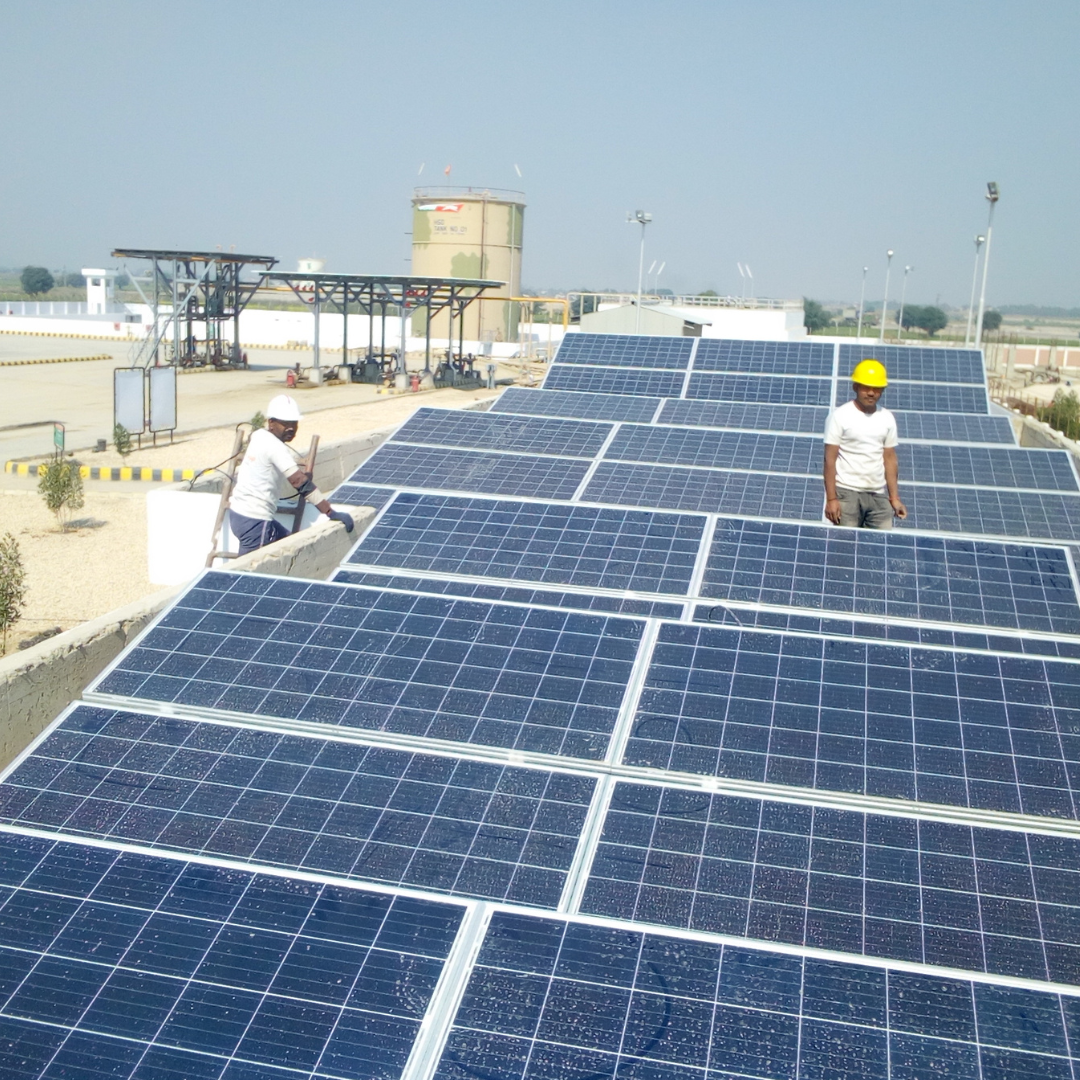
South Africa’s energy landscape is undergoing a profound transformation. Faced with ongoing energy security challenges and mounting pressure to reduce carbon emissions, businesses, municipalities, and consumers are increasingly embracing renewable energy technologies. Solar photovoltaic (PV) installations, battery energy storage systems (BESS), and electric vehicle (EV) charging infrastructure are becoming more common across the country.
While these technologies offer significant environmental and economic benefits, they also introduce new fire risks that require careful consideration. As the energy transition accelerates, fire safety must evolve alongside it.
SA’s energy transition is creating new fire risk profiles
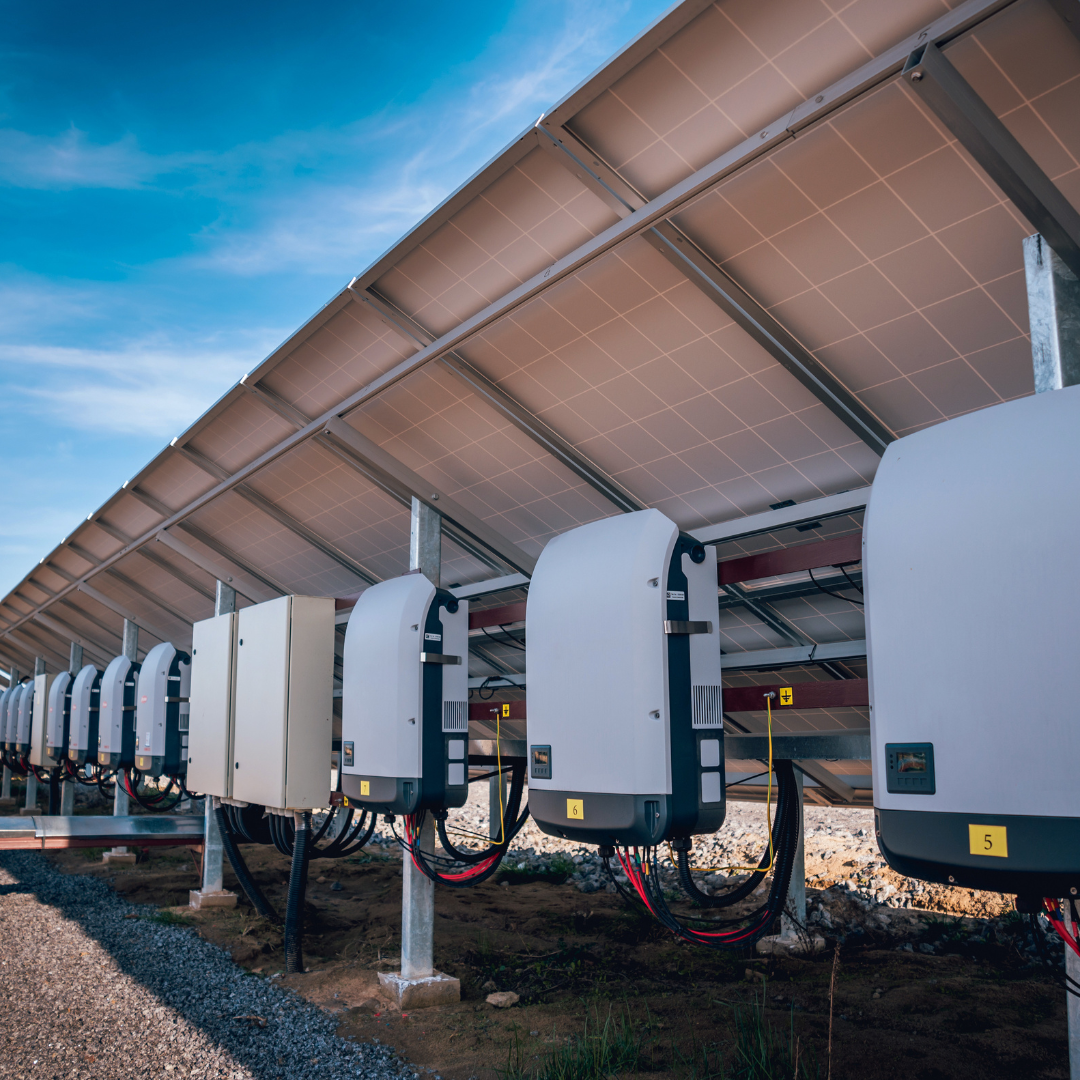
Historically, fire protection strategies focused on conventional electrical systems, industrial processes, fuel storage, and building-related hazards. Today’s energy systems are fundamentally different. Renewable energy installations often incorporate high-voltage direct current (DC) systems, large-scale battery storage, power electronics, and increasingly complex electrical infrastructure.
These technologies present unique hazards that may not be fully addressed through traditional fire protection approaches. South Africa’s energy transition is essential for economic growth and energy security, but every new technology brings new risks.
Renewable energy systems, battery storage installations, and EV charging infrastructure require fire safety considerations from the earliest design stages, not as an afterthought. As organisations invest in alternative energy solutions, fire risk assessments must become an integral component of project planning, design, installation, and ongoing operation.
Why lithium-ion batteries present unique fire challenges
At the centre of many renewable energy and electric mobility solutions are lithium-ion batteries. These batteries have revolutionised energy storage by offering high energy density, long operating life, and excellent performance characteristics.
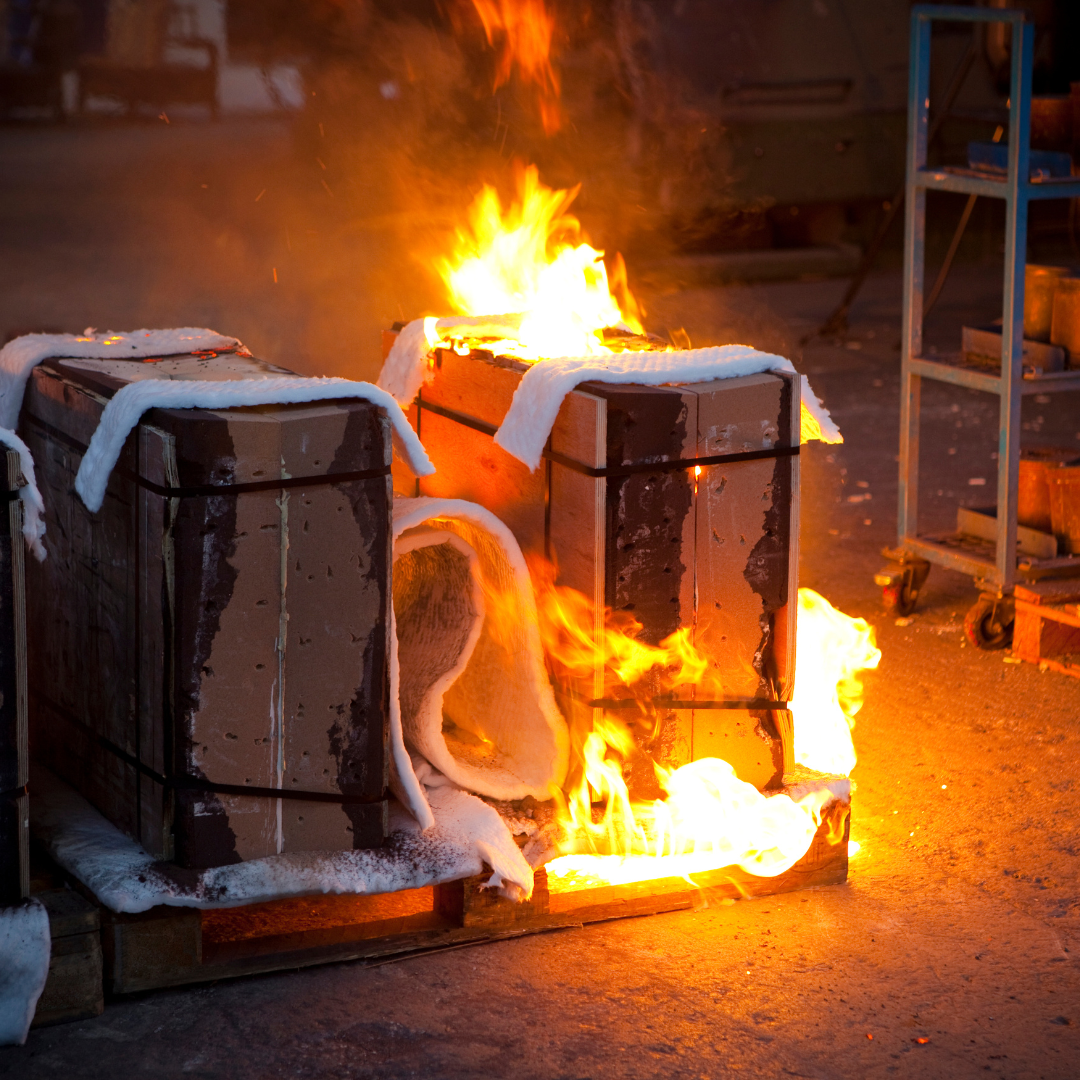
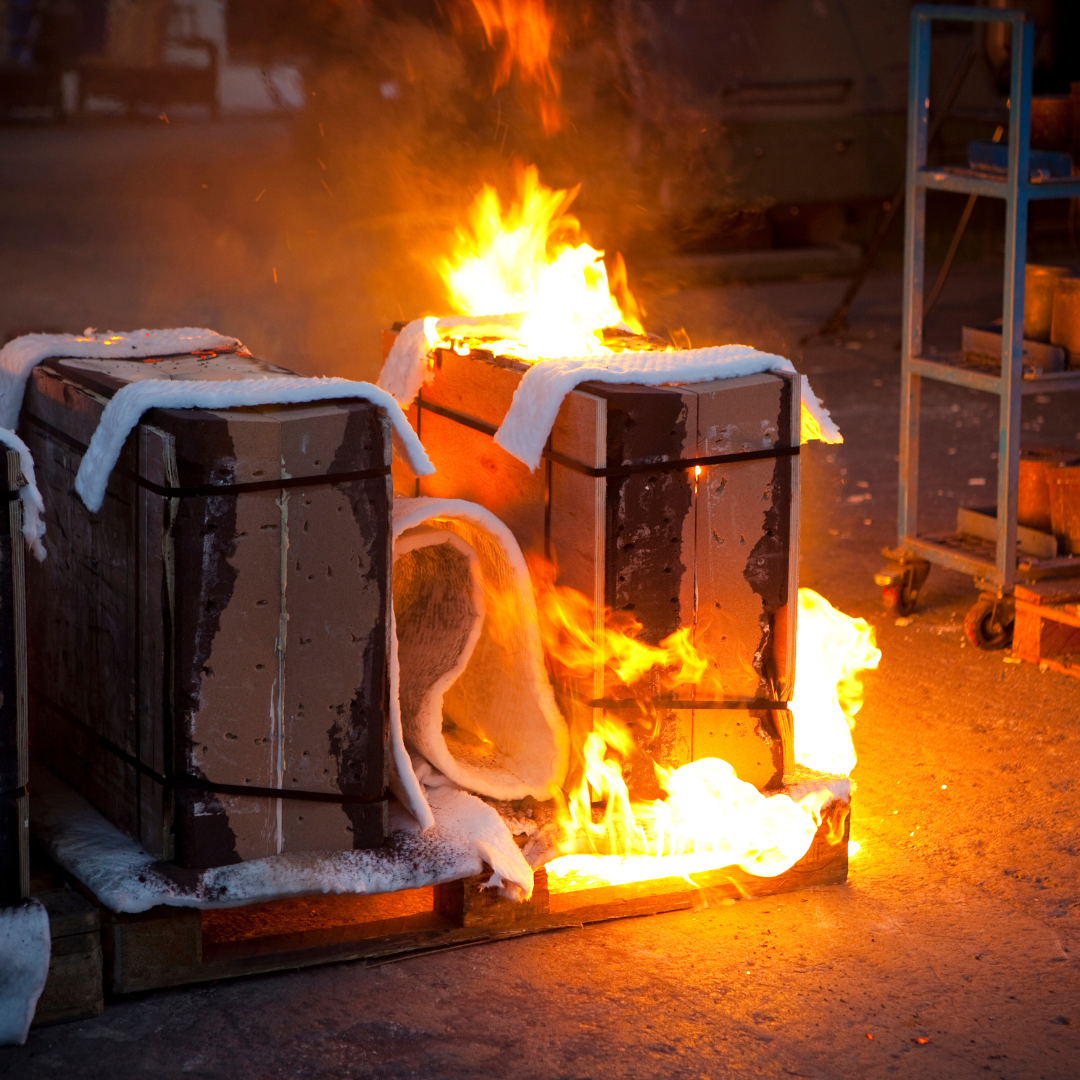
However, lithium-ion batteries also present unique fire hazards. Under certain conditions, including physical damage, manufacturing defects, overcharging, electrical faults, or excessive heat exposure, batteries can experience a phenomenon known as thermal runaway. During thermal runaway, a battery’s internal temperature rises uncontrollably, triggering a chain reaction that can generate intense heat, fire, and the release of toxic, flammable gases that can lead to an explosion.
Unlike many conventional fires, lithium-ion battery fires are extremely difficult to extinguish. They can reignite hours or even days after an initial incident and may continue generating hazardous gases even after visible flames have been suppressed. Lithium-ion batteries have transformed energy storage, but they behave very differently to conventional fire hazards.
Thermal runaway events can develop rapidly, generate extreme temperatures, and release toxic gases, making prevention and early intervention critical. These risks highlight the importance of designing appropriate fire protection measures into battery installations from the outset.
The hidden risk in renewable energy projects
Battery Energy Storage Systems (BESS) are becoming an increasingly important component of South Africa’s energy future. These systems help stabilise renewable energy generation, improve energy resilience, and reduce dependence on the national grid.
However, as battery storage capacity increases, so too does the potential fire load associated with these installations. Whether deployed at utility scale, within commercial and industrial facilities, or as part of residential energy systems, BESS installations require specialised fire protection strategies.
These may include Battery Management System (BMS), early fire detection technologies, thermal monitoring, compartmentation, ventilation management, emergency response planning, and suitable suppression systems. In many cases, passive fire protection measures can play a critical role in limiting fire spread and containing thermal events before they escalate. This is critical as BESS becomes a cornerstone of modern energy infrastructure.
Whether installed at utility scale, commercial facilities, or residential developments, these systems require appropriate fire detection, compartmentation, and suppression strategies to mitigate risk. As battery deployment continues to grow, fire safety professionals must work closely with engineers, developers, insurers, and regulators to ensure risks are properly managed.
Fire safety considerations for EV charging infrastructure
Although electric vehicle adoption in South Africa remains in its early stages, the market is expanding steadily. Public charging stations are appearing in shopping centres, office parks, residential developments, hospitality facilities, and logistics hubs.
As charging infrastructure becomes more widespread, developers and facility managers must consider the fire implications associated with both charging equipment and vehicle batteries. EV charging stations often involve high-power electrical systems operating continuously in public environments. Potential risks include electrical faults, overheating equipment, damaged charging components, and battery-related incidents.
The placement of charging infrastructure also requires careful consideration. Fire separation distances, emergency access, ventilation requirements, and integration with existing fire protection systems all become important factors in reducing risk.
As electric vehicle adoption increases, South Africa will see more charging stations in shopping centres, office parks, logistics facilities, and residential complexes. Developers need to ensure that fire risk assessments evolve alongside this infrastructure.
While EV-related fires remain relatively uncommon, the consequences can be significant when incidents occur, particularly in enclosed environments such as parking garages or mixed-use developments.
Regulations and standards are evolving alongside new technologies
South Africa’s regulatory framework is gradually adapting to accommodate emerging energy technologies. Standards governing electrical installations, fire detection systems, building safety, and hazardous materials all play an important role in ensuring safe deployment. Compliance with applicable standards is not merely a regulatory requirement; it is a critical component of risk management.
Organisations investing in renewable energy infrastructure should ensure that qualified professionals are involved throughout the project lifecycle to verify compliance, identify potential hazards, and implement appropriate mitigation measures. As the technologies continue to evolve, industry stakeholders must remain informed about changing regulations, international best practices, and lessons learned from incidents globally.
Fire protection must be designed into energy projects from the start
One of the most common mistakes in energy projects is treating fire safety as a secondary consideration once construction or installation is already underway. Effective fire protection begins during project planning and design. It requires a comprehensive understanding of the technologies involved, the associated hazards, and the potential consequences of failure.
This includes evaluating fire risks during site selection, equipment specification, system design, installation, commissioning, and ongoing maintenance. The goal is not to slow the energy transition. It is to ensure that renewable energy, battery storage, and electric mobility infrastructure are deployed safely, sustainably, and in compliance with the latest standards and regulations.
South Africa’s transition towards a cleaner and more resilient energy future presents enormous opportunities. However, achieving that future safely requires fire protection to be recognised as a fundamental element of every renewable energy project. By integrating fire safety into energy infrastructure from the outset, organisations can protect people, assets, operations, and the long-term success of the country’s energy transition.
Ends
Connect with ASP Fire on Social Media to receive the company’s latest news
LinkedIn: https://www.linkedin.com/company/asp-fire-pty-ltd/
Notes to the Editor
To download hi-res images for this release, please visit http://media.ngage.co.za and click the ASP Fire link to view the company’s press office.
About ASP Fire
ASP Fire operates across the entire African continent from its Gauteng base, providing professional, accredited fire risk management and support to its clients. ASP Fire designs, installs, and maintains a full range of fire detection and suppression equipment suited to clients’ needs. ASP Fire provides a holistic, proactive, and preventative fire solution based on integrated fire risk assessment, training, and consulting, with the installation and maintenance of fire detection and suppression systems that meet SABS, NFPA, FPASA, and SAQCC standards.
ASP Fire Contact
Michael van Niekerk
ASP Fire
CEO
Phone: +27 (0) 11 452 2169
Cell: +27 (0) 83 779 1701
Fax: +27 (0) 86 505 1030
Email: michael@aspfire.co.za
Web: www.aspfire.co.za
Media Contact
Thobile Ndlovu
Senior Account Executive
NGAGE Public Relations
Phone: (011) 867-7763
Cell: 073 574 2931
Email: thobile@ngage.co.za
Web: www.ngage.co.za
Browse the NGAGE Media Zone for more client press releases and photographs at http://media.ngage.co.za
-

ASP-Fire-CEO-Michael-van-Niekerk
Fire-safety-should-be-integrated-into-renewable-energy-projects-from-the-design-stage
Lithium-ion-battery-fires-present-unique-challenges-and-require-specialised-fire-protection-strategies-1
Renewable-energy-installations-require-fire-safety-considerations-from-the-earliest-design-stages-not-as-an-afterthought - SAs-energy-transition-cannot-come-at-the-expense-of-fire-safety_approved
SAs-energy-transition-cannot-come-at-the-expense-of-fire-safety_approved