South Africa is preparing for a new wave of infrastructure investment. Across the country, government and industry are focused on rebuilding energy networks, expanding transport corridors, strengthening water infrastructure and supporting industrial growth. These investments are essential to unlocking economic development and restoring confidence in the country’s long-term prospects.
Yet there is a hidden threat that continues to undermine infrastructure performance and quietly erode billions of rands in value every year. That threat is corrosion. While discussions around infrastructure often focus on funding, procurement, construction schedules and maintenance backlogs, corrosion rarely receives the attention it deserves.
This is surprising when one considers the scale of the problem. International studies consistently estimate that corrosion costs economies between 3% and 4% of GDP annually. For South Africa, this translates to an estimated economic burden of approximately R250 billion every year.
Infrastructure deteriorating before the end of its design life
These losses manifest themselves in countless ways, from bridges requiring premature repairs to water infrastructure deteriorating before the end of its design life, industrial facilities facing unexpected maintenance costs, and critical transport assets suffering avoidable degradation. In many cases, taxpayers and asset owners are effectively paying for the same infrastructure twice.
The irony is that corrosion is one of the most predictable and preventable engineering challenges we face. Steel remains the foundation of modern infrastructure. It supports our transmission networks, transport systems, industrial facilities, ports, buildings and public utilities.
However, steel has a natural tendency to revert to its original oxidised state when exposed to moisture and oxygen. Corrosion is therefore not an isolated defect or maintenance issue; it is an inevitable process that must be anticipated and managed from the moment infrastructure is designed.
Zinc used to protect steel for over a century
This is where zinc plays a critical role. For more than a century, zinc by means of hot dip galvanizing and continuous galvanizing, has been used to protect steel from corrosion through a combination of barrier and galvanic protection. Unlike conventional coatings that simply separate steel from the environment, zinc actively protects the underlying metal.
Even when a coating is damaged, zinc sacrifices itself to prevent corrosion from attacking the steel beneath. It is this unique electrochemical characteristic that has made zinc one of the most effective corrosion-control solutions available to engineers.
Perhaps the most widely recognised application is hot-dip galvanizing, a process in which fabricated steel is immersed in molten zinc to form a metallurgically bonded protective coating. The resulting system is exceptionally durable and capable of providing decades of maintenance-free protection, even in challenging environments. If galvanizing is not possible then zinc rich paints are another powerful way to protect steel from corrosion before applying a high performance top coat.
Reducing upfront capital expenditure
The value of this approach becomes particularly evident when viewed through a lifecycle cost perspective. Infrastructure owners frequently focus on reducing upfront capital expenditure, often selecting the lowest-cost coating or protection option available.
While this may appear attractive during procurement, the long-term consequences are frequently severe. What begins as a modest saving during construction can evolve into substantial maintenance costs, operational disruptions and expensive asset replacement programmes within a relatively short period.
A longer-term view tells a very different story. Investing in robust corrosion protection at the outset significantly reduces maintenance requirements, extends service life and lowers the total cost of ownership over decades. In many cases, the additional upfront investment represents only a fraction of the costs ultimately avoided.
One of the most overlooked areas of infrastructure durability
This principle is particularly important when considering one of the most overlooked areas of infrastructure durability, namely reinforced concrete. Concrete is often regarded as a permanent construction material. However, many of the failures we observe in bridges, wastewater treatment facilities, reservoirs and coastal infrastructure do not originate in the concrete itself. They begin with the corrosion of the reinforcing steel embedded within it.
When conventional reinforcing steel corrodes, the resulting rust occupies a greater volume than the original steel. This expansion creates internal pressure that eventually cracks and fractures the surrounding concrete. The result is the familiar deterioration seen in ageing infrastructure across the country, such as cracked surfaces, exposed reinforcement, spalling concrete and declining structural integrity.
By the time these symptoms become visible, costly repairs are often unavoidable. The use of hot-dip galvanized reinforcing steel offers a highly effective solution. By protecting the reinforcement before it is embedded in concrete, engineers can significantly delay the onset of corrosion and dramatically extend the service life of the structure. This is especially valuable in aggressive environments such as coastal regions, industrial zones and wastewater facilities, where conventional reinforcement is particularly vulnerable.
From reactive maintenance to proactive asset management
For municipalities grappling with ageing infrastructure and constrained budgets, this represents an opportunity to shift from reactive maintenance to proactive asset management. Rather than repeatedly repairing the consequences of corrosion, we can design infrastructure that resists deterioration from the outset.
The same philosophy should guide South Africa’s broader infrastructure ambitions. As billions of rands are invested in renewable energy projects, transmission networks, logistics infrastructure and water systems, durability must become a strategic priority. Every new asset should be evaluated not only on its construction cost, but on its ability to deliver reliable performance over its intended lifespan. Corrosion protection should therefore be viewed not as an optional engineering enhancement, but as a fundamental component of infrastructure resilience.
There is also a significant economic opportunity associated with this approach. South Africa possesses considerable mineral resources and industrial capability. By strengthening the links between refined zinc production, galvanizing, steel fabrication and infrastructure procurement, the country can support local manufacturing, create skilled employment opportunities and develop more resilient domestic supply chains. In doing so, we not only protect infrastructure assets but also strengthen industrial competitiveness.
Infrastructure for the next generation
Ultimately, the question facing South Africa is simple: do we want to build infrastructure for the next procurement cycle, or for the next generation? The difference between those two outcomes often comes down to decisions made long before the first signs of deterioration appear. Corrosion may be a natural process, but its economic consequences are not inevitable. With the right materials, technologies and engineering foresight, we can dramatically reduce the billions of rands currently lost to corrosion every year.
As South Africa enters a new era of infrastructure development, zinc should not be viewed merely as a commodity or coating material. It should be recognised as a strategic investment in longevity, resilience and economic sustainability. If we are serious about building infrastructure that endures, then we must stop treating corrosion as a maintenance problem and start treating corrosion prevention as a national priority.
About the Author
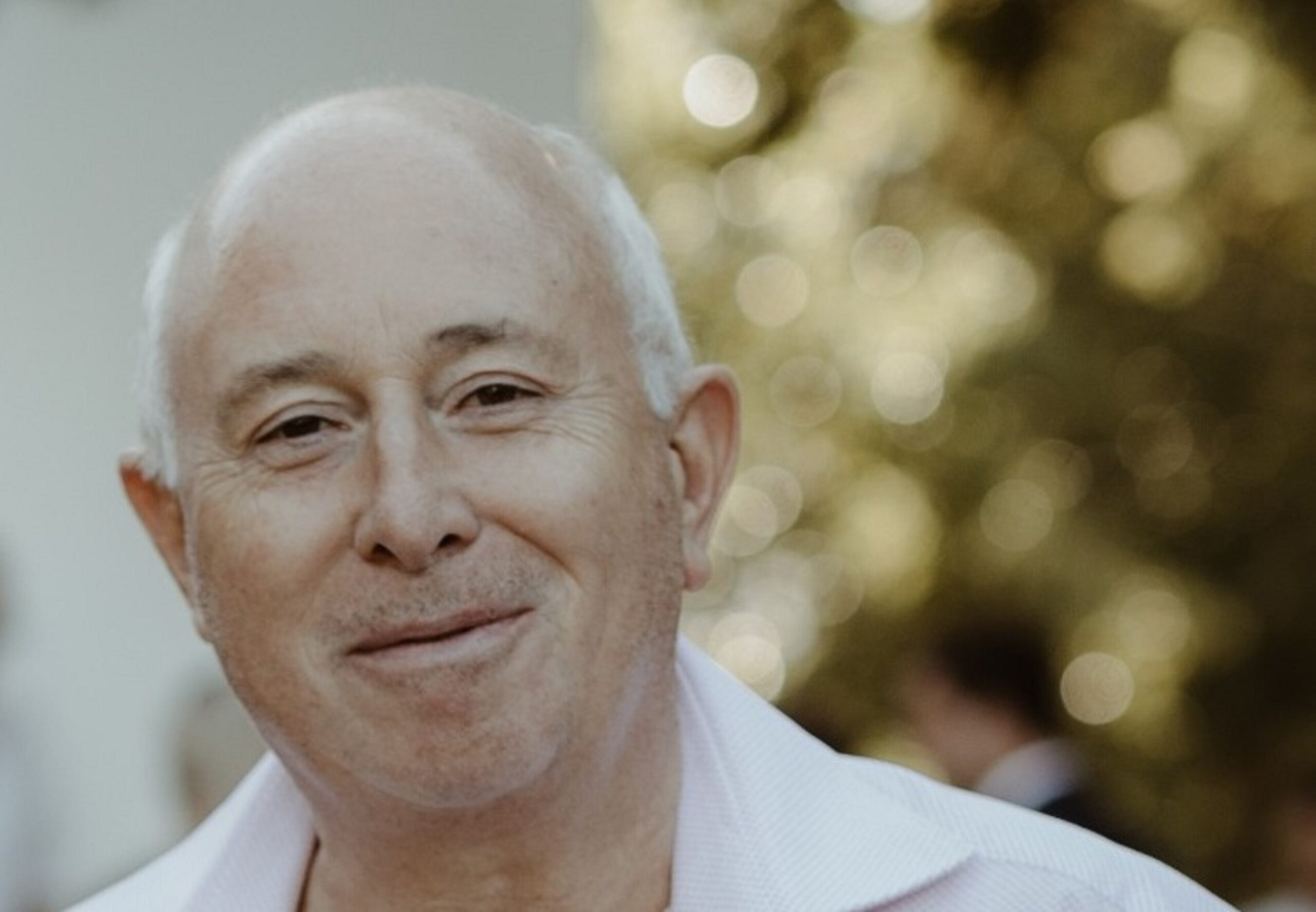
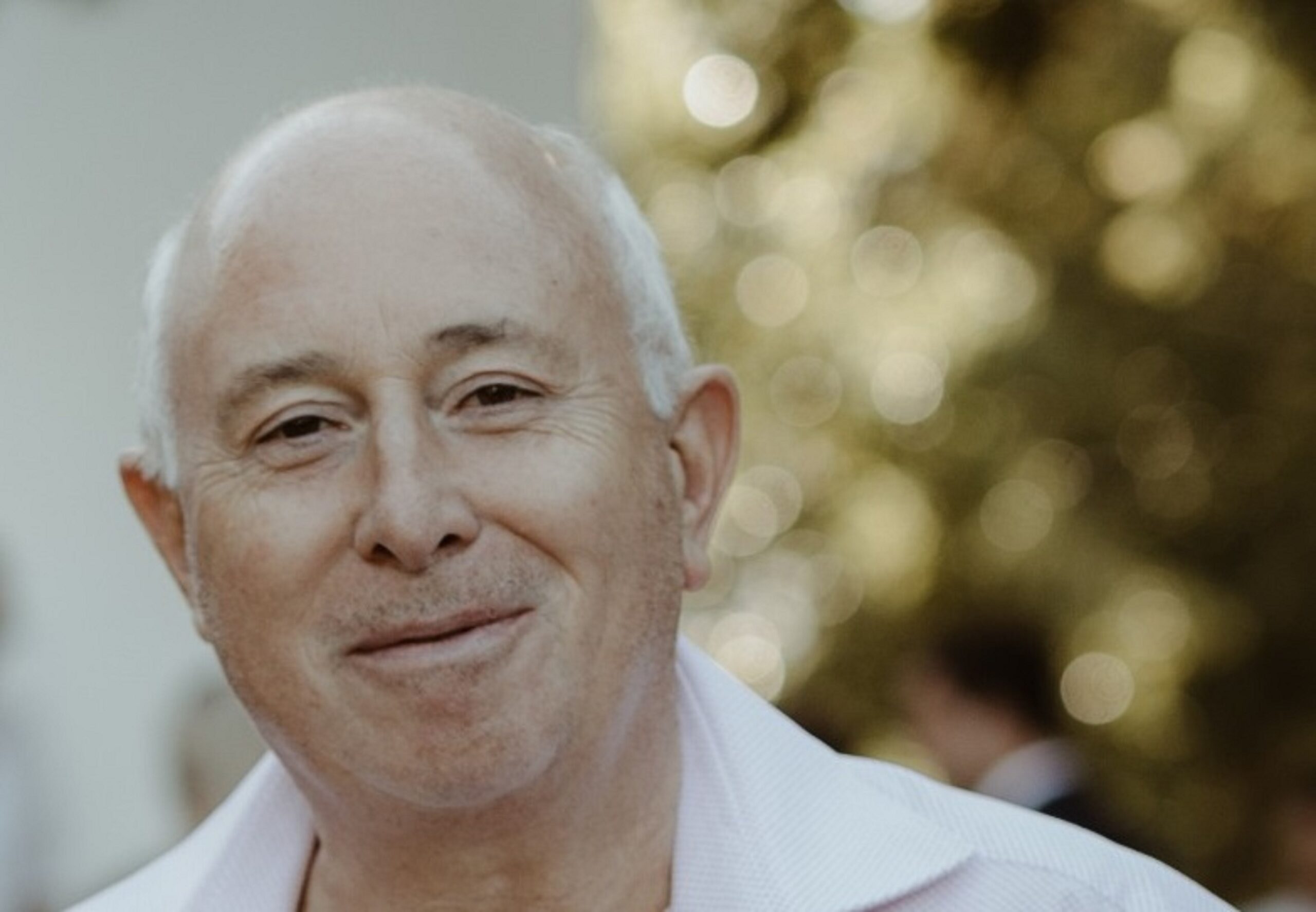
Simon Norton is an industrial chemist and corrosion specialist with more than 30 years of experience in industry in South Africa and internationally. He serves as Director of the International Zinc Association (IZA) Africa and is a recognised expert in corrosion prevention, failure investigation and zinc-based protection technologies.
Ends
Connect with the International Zinc Association on social media to receive its latest news.
Facebook: https://bit.ly/3uNP5w7
LinkedIn: https://bit.ly/3uNSAmb
Notes to the Editor
To download hi-res images for this news article, please visit http://media.ngage.co.za and click the International Zinc Association link to view the company’s press office.
About the International Zinc Association (IZA)
The IZA is the only global industry association dedicated exclusively to the interests of zinc and its users. Operating internationally and locally in Africa through the IZA Africa Desk, the IZA helps sustain the long-term global demand for zinc and its markets by promoting such key end uses as corrosion protection for steel and zinc as essential in human health and crop nutrition. IZA’s main programmes are Zinc Use Research, Sustainability & Environment, Technology & Market Development and technical Communications.
In South Africa, the IZA plays a vital role in establishing the basis for the successful growth of the zinc industry by increasing awareness of zinc and its applications and benefits in key sectors and markets.
International Zinc Association Contact
Simon Norton
Director
IZA Africa
Phone: (021) 788 9980
Cell: 082 831 2924
Email: zinc@iafrica.com
Web: www.zinc.org
Media Contact
Andile Mbethe
Account Executive
NGAGE Public Relations
Phone: (011) 867-7763
Cell: 073 565 6536
Email: andile@ngage.co.za
Web: www.ngage.co.za
-

Simon-Norton-Director-of-the-International-Zinc-Association-IZA-Africa-1 - Why-South-Africa-must-build-its-infrastructure-future-with-zinc-APPROVED
Why-South-Africa-must-build-its-infrastructure-future-with-zinc-APPROVED